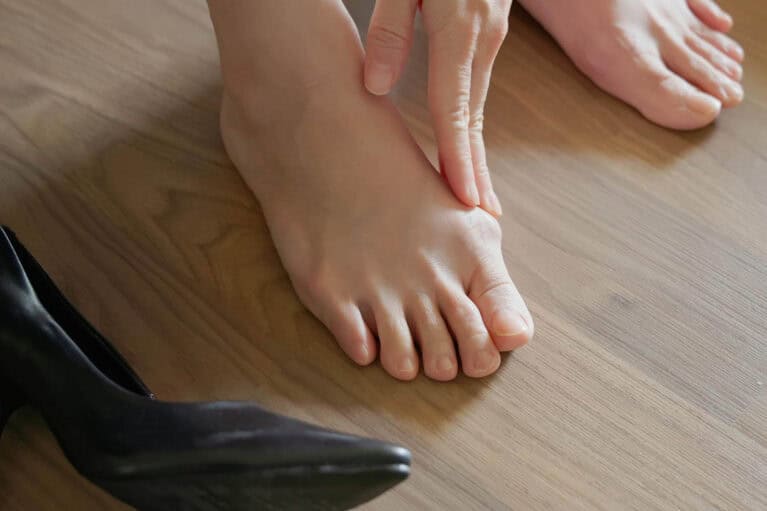

Foot pain is common, but that does not mean you have to put up with it.
Sometimes a sore foot settles with sensible self-care, better footwear or a short period of reduced activity. Other times, pain keeps coming back, starts affecting how you walk or stops you doing the things you enjoy.
A podiatrist can help assess foot, ankle and lower-limb pain, explain what may be contributing to the problem and guide you through the most suitable next steps.
You do not need to know exactly what is wrong before booking. Many people see Stuart because they have pain, discomfort or a change in how they walk, run or move.
What does a podiatrist help with?
A podiatrist assesses and treats problems affecting the feet, ankles and lower limbs.
This can include:
- Heel pain
- Arch pain
- Plantar fasciitis
- Achilles pain
- Shin pain
- Sports injuries
- Running or walking-related pain
- Gait concerns
- Flat feet
- Bunions
- Forefoot pain
- Verrucas
- Ingrown toenails
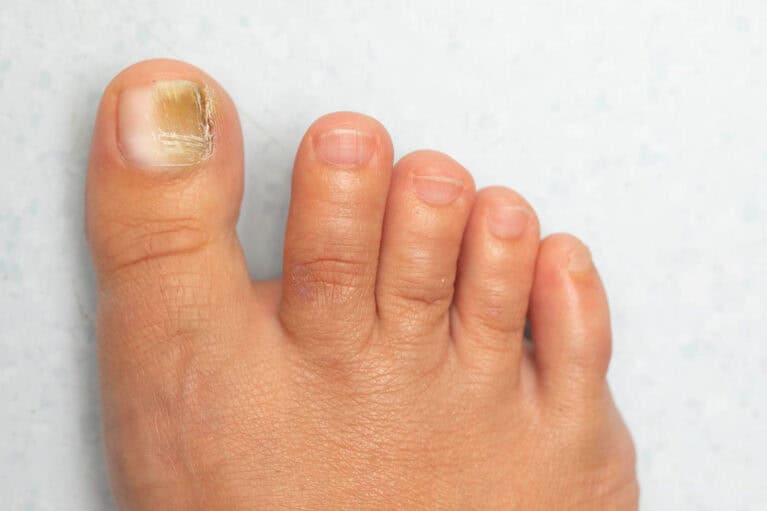
- Fungal nail concerns
- Orthoses or insole advice
Foot pain is not always caused by the painful area alone. It may be linked to how your foot is loading, how your lower limb moves, your footwear, activity levels, strength, flexibility or previous injury.
That is why a careful assessment can be so helpful. It gives you a clearer understanding of what may be driving the problem, rather than simply guessing.
When should you see a podiatrist for foot pain?
It is sensible to book a podiatry assessment if foot, ankle or lower-limb pain is affecting walking, running, sport, work or daily activity.
You should also consider getting assessed if:
- Pain keeps coming back
- Symptoms are getting worse
- Pain has not improved with sensible self-care
- You are changing the way you walk because of discomfort
- You have stopped running, training or exercising because of pain
- You have tingling, numbness or altered sensation
- You have diabetes and foot pain
- You are worried about a change in foot shape, skin, nail or movement
- You are unsure whether you need orthoses or different footwear
You do not need to wait until pain is severe. If a problem is affecting your movement or confidence, assessment can help clarify what may be happening.
Foot pain that keeps coming back
Recurring pain often needs a closer look.
For example, heel pain may settle for a few days, then return after a long walk. Shin pain may ease when you stop running, then come back when training restarts. Forefoot pain may improve in one pair of shoes but return in another.
This does not always mean something serious is happening. It does suggest that there may be a contributing factor that has not yet been addressed.
Common factors can include:
- Training load
- Footwear
- Foot posture
- Joint movement
- Muscle strength
- Flexibility
- Walking or running style
- Work demands
- Previous injury
- Pressure through the foot
A podiatry assessment can help identify which of these may be relevant to you.
Pain when walking, running or standing
Pain that appears during everyday movement is worth paying attention to.
You may notice:
- Heel pain first thing in the morning
- Arch pain after standing
- Forefoot pain in certain shoes
- Achilles stiffness after activity
- Shin pain when running
- Pain that builds during the day
- A feeling that one side is working harder than the other
Your symptoms may be linked to the way your foot and lower limb are loading. Loading simply means how pressure and force pass through your feet, ankles and legs when you stand, walk or run.
Stuart can assess your symptoms, movement, foot posture, footwear and activity demands to help explain what may be contributing.
When self-care is not enough
Some mild foot pain may settle with simple changes.
You may find it helpful to:
- Reduce or modify painful activity for a short time
- Avoid pushing through worsening pain
- Wear comfortable, supportive footwear
- Avoid sudden increases in walking or training
- Keep a note of when symptoms appear
- Bring your most-used shoes to an appointment if symptoms persist
Self-care should not be about ignoring pain or forcing your way through it.
If symptoms are not improving, keep returning or are affecting how you move, assessment is recommended.
When to seek urgent medical help
Most foot pain is not an emergency, but some symptoms need prompt attention.
Seek urgent medical help if you have:
- Severe pain after an injury
- Inability to walk
- Sudden deformity
- Spreading redness
- Fever
- Pus
- A deep wound
- Signs of infection
If you have diabetes and develop foot pain, a wound, skin colour change, swelling, warmth, redness or signs of infection, seek prompt medical advice.
What happens at a podiatry assessment?
Your appointment is designed to help you understand what may be contributing to your symptoms.
Stuart may ask about:
- Where the pain is
- When it started
- What makes it better or worse
- Your activity levels
- Your footwear
- Your work or sport demands
- Previous injuries
- Previous treatment
- Your general health
Your assessment may include:
- Foot and ankle checks
- Lower-limb assessment
- Foot posture review
- Movement assessment
- Gait analysis where appropriate
- Footwear review
- Orthoses discussion if suitable
Gait analysis is not needed for everyone. Orthoses are not needed for everyone. Your assessment will guide what is appropriate.
The aim is to give you a clear explanation and a practical plan, based on your symptoms and how you move.
How Stuart can help
Stuart Hodder is a Specialist Podiatrist and clinical lead at Evolution Podiatry. He has extensive experience in foot, ankle and lower-limb pain, with a particular interest in biomechanics, gait analysis, sports injuries and child development.
His approach is careful, practical and personal.
Rather than only looking at the painful area, Stuart considers how your feet and lower limbs are working together. This can help clarify whether pain may be linked to movement, loading, footwear, activity or another contributing factor.
You will be listened to, assessed clearly and guided through the most suitable next steps.
FAQs
- Do I need to know what condition I have before booking?
No. Many people book because they have pain, discomfort or a change in how they walk, run or move. Stuart can assess your symptoms and explain what may be contributing.
- What should I bring to my appointment?
Bring the shoes you wear most often, any sports shoes if relevant and details of previous treatment. If you have scan results, referral letters or medical reports linked to your symptoms, bring those too.
- Will I need gait analysis?
Not always. Gait analysis may be useful if your symptoms appear during walking or running, or if movement patterns may be contributing to recurring pain.
- Will I need orthoses?
Not everyone needs orthoses. Stuart will only discuss them if your assessment suggests they may support your foot function, comfort or activity goals.
- Can I see a podiatrist for pain that is not just in my foot?
Yes. Foot function can sometimes affect the ankle, shin, knee, hip or lower back. Stuart can assess how your feet and lower limbs are moving, then explain whether this may be contributing.
- Do I need a GP referral?
Many patients can book directly. If you are using private medical insurance, check whether your insurer requires a GP referral or authorisation before booking.
Book a podiatry assessment for foot pain
If foot pain is affecting how you walk, run, work or exercise, book an assessment with Stuart Hodder.
Your appointment will help you understand what may be driving your symptoms and what the most suitable next steps may be.