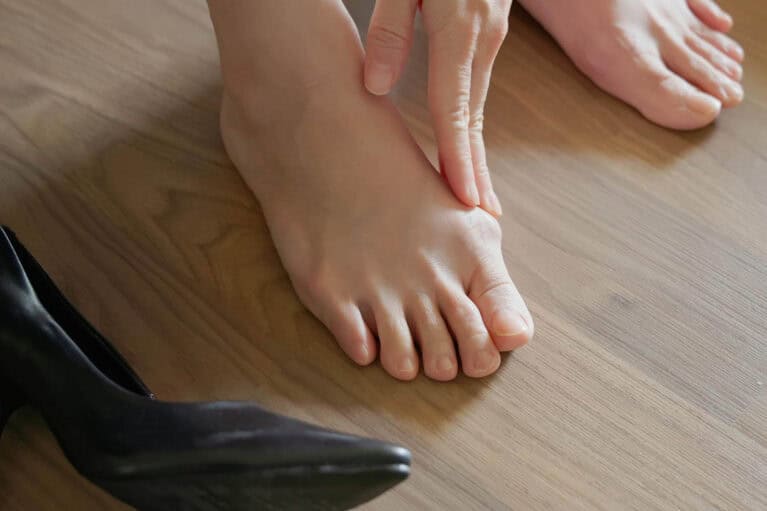

If you are looking for help with foot pain, nail problems or discomfort when walking, you may notice the terms podiatrist and chiropodist used interchangeably.
In the UK, there is no difference in the professional service provided by an HCPC-registered podiatrist or chiropodist. Both titles refer to the same regulated profession and both are protected by law.
The word chiropodist is an older term that many people still use, particularly when referring to routine foot care. Podiatrist is now the more commonly used title and reflects the wider scope of modern foot and lower-limb healthcare.
The short answer
A podiatrist and a chiropodist are the same type of regulated healthcare professional in the UK.
Both can assess and manage a wide range of concerns affecting the feet, ankles and lower limbs. This may include:
- Foot pain and heel pain
- Corns, callus and hard skin
- Verrucas
- Ingrown toenails
- Fungal nail concerns
- Sports injuries
- Changes in walking or running
- Foot posture concerns, including flat feet
- Pain affecting the ankle, shin, knee or hip where foot function may be contributing
The most important thing is to check that the person you see is registered with the Health and Care Professions Council – the HCPC.
Why are there two names?
Chiropody was the traditional name for the profession. Over time, training and clinical practice developed to include a broader understanding of foot, ankle and lower-limb health.
The title podiatrist is now more widely used because it better reflects this broader role. It includes not only routine foot care but also the assessment of pain, movement, skin and nail conditions, sporting demands and how the feet and lower limbs are loading.
The Royal College of Podiatry explains that there is no difference between a chiropodist’s and podiatrist’s service.
What does a podiatrist do?
A podiatrist assesses, diagnoses and treats disorders, diseases and deformities of the feet. Depending on their training, experience and scope of practice, they may also assess how foot function relates to the ankle and lower limb.
A podiatry appointment may involve looking at:
- Your symptoms and medical history
- Your footwear and daily activity
- The skin, nails, joints and soft tissues of your feet
- How your feet, legs and body are working together
- The way you walk, run or move
- Whether further investigation, treatment or referral may be helpful
For some people, the main concern is a painful corn, thickened nail or verruca. For others, it may be recurring heel pain, an ankle problem or discomfort during sport. Your assessment helps clarify what may be driving the symptoms and what the most suitable next step could be.

Is a chiropodist only for routine foot care?
No. This is a common misunderstanding.
The term chiropodist is often associated with routine care such as nail cutting, corn removal and hard skin treatment. While these can be an important part of podiatry, an HCPC-registered chiropodist is part of the same profession as an HCPC-registered podiatrist.
That means they are regulated to practise as a chiropodist or podiatrist. The title a practitioner uses does not, on its own, tell you exactly which treatments they provide. Experience, additional training, scope of practice and the type of clinic can all vary.
If you have a particular concern, it is sensible to ask whether the clinic offers assessment and treatment for that problem before booking.
Are podiatrists doctors?
Podiatrists are not medical doctors, but they are regulated healthcare professionals with specialist training in foot and lower-limb health.
In the UK, the titles podiatrist and chiropodist are protected. This means someone using either title must be registered with the HCPC. The HCPC register can also show whether a practitioner has additional recorded entitlements, such as prescribing rights or podiatric surgery.
Some podiatrists undertake further training in areas such as biomechanics, sports injuries, diabetes-related foot care, prescription medicines or podiatric surgery. Not every podiatrist provides every service, so it is always reasonable to ask about their relevant experience.
Podiatrist vs foot health practitioner
A podiatrist or chiropodist is different from a foot health practitioner.
Foot health practitioners may provide routine foot care, but they are not regulated by the HCPC and training routes can differ. This does not automatically mean that routine care is unsuitable, but it is important to understand the distinction when choosing who to see.
If you have ongoing pain, a wound, reduced sensation, poor circulation, diabetes, a suspected infection or a problem affecting how you walk, it is particularly important to seek advice from an appropriately qualified and regulated healthcare professional.

How do you choose the right foot care professional?
Start by thinking about the problem you would like assessed.
A regulated podiatrist may be a helpful choice if you have:
- Foot, ankle or lower-limb pain
- A recurring problem that has not settled
- Changes in the way you walk, run or move
- A sports-related injury or repeated overload issue
- An ingrown toenail, painful verruca or persistent nail concern
- Diabetes, poor circulation, reduced sensation or another health condition that may affect your feet
You do not need to know the name of your condition before arranging an appointment. A clear assessment can help explain what may be contributing to the problem and whether treatment, monitoring, self-care advice, further investigation or referral is appropriate.
How Evolution Podiatry can help
Stuart Hodder is an HCPC-registered Specialist Podiatrist and clinical lead at Evolution Podiatry. He has experience across NHS and private practice, with particular interests in biomechanics, gait analysis, sports injuries, child development and lower-limb function.
Appointments focus on more than the painful area alone. Stuart can assess how your foot and lower limb are loading, consider the way you walk, run or move, then explain practical next steps in clear language.
Whether you searched for a podiatrist or a chiropodist, the aim is the same – to help you understand what may be driving your symptoms and guide you towards more comfortable movement.
FAQs
- Is a podiatrist the same as a chiropodist in the UK?
Yes. In the UK, podiatrist and chiropodist are protected titles for the same HCPC-regulated profession.
- Which title should I look for when booking?
Either title can be used by an HCPC-registered professional. Checking HCPC registration is more important than choosing between the two terms.
- Can a podiatrist help with pain above the foot?
Foot function can sometimes contribute to symptoms around the ankle, shin, knee, hip or lower back. Assessment can help clarify whether the feet and lower limbs may be playing a part.
- Do I need a referral to see a podiatrist?
Many patients can book directly. If you are using private medical insurance, check whether your insurer requires a GP referral or authorisation before arranging an appointment.
- When should I seek urgent advice?
Seek urgent medical help if you have severe pain after an injury, cannot walk, notice sudden deformity, have spreading redness, fever, pus, a deep wound or signs of infection.
Book a podiatry assessment
If foot, ankle or lower-limb symptoms are affecting how you walk, run or move, arrange a podiatry appointment with Stuart. A clear assessment can help you understand what may be driving the problem and guide the next step.
This information is general guidance and does not replace a clinical assessment. If your symptoms are severe, worsening or you are concerned, please seek appropriate medical advice.