Foot Orthoses (Insoles)
What are foot orthoses?
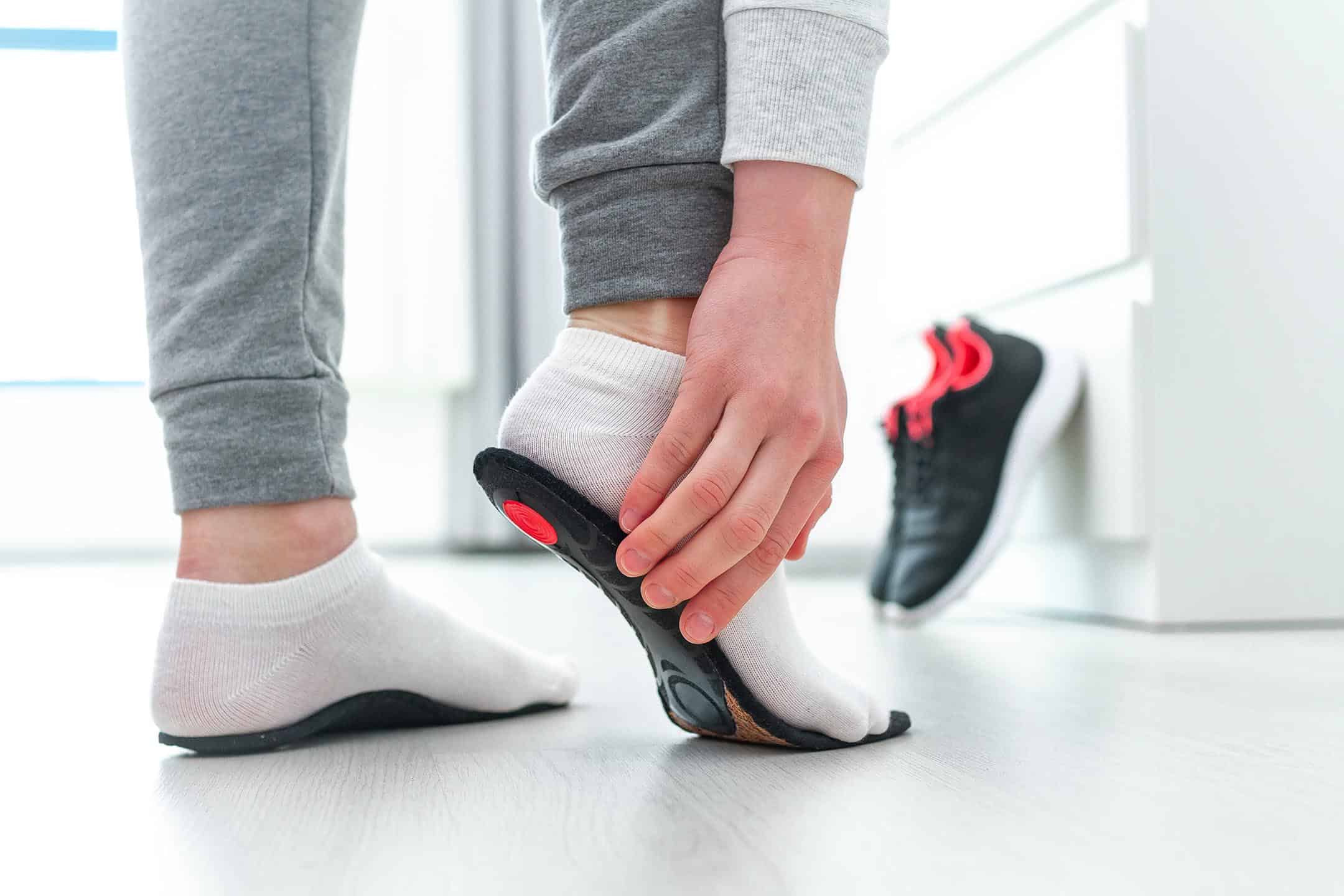
Foot orthoses are insoles designed to sit inside your shoes and influence how your feet load.
They are sometimes called orthotics, shoe insoles, arch supports or orthotic insoles. Some are pre-fabricated, which means they come in a set shape and can be adapted where suitable. Others are custom orthoses, made more specifically around your foot, symptoms and movement.
Orthoses do not permanently change the structure of your feet. Their role is to help support foot function, redistribute pressure or reduce strain where assessment suggests this may be useful.
The right insole depends on your foot, footwear, symptoms, activity level and goals.
When might insoles be helpful?
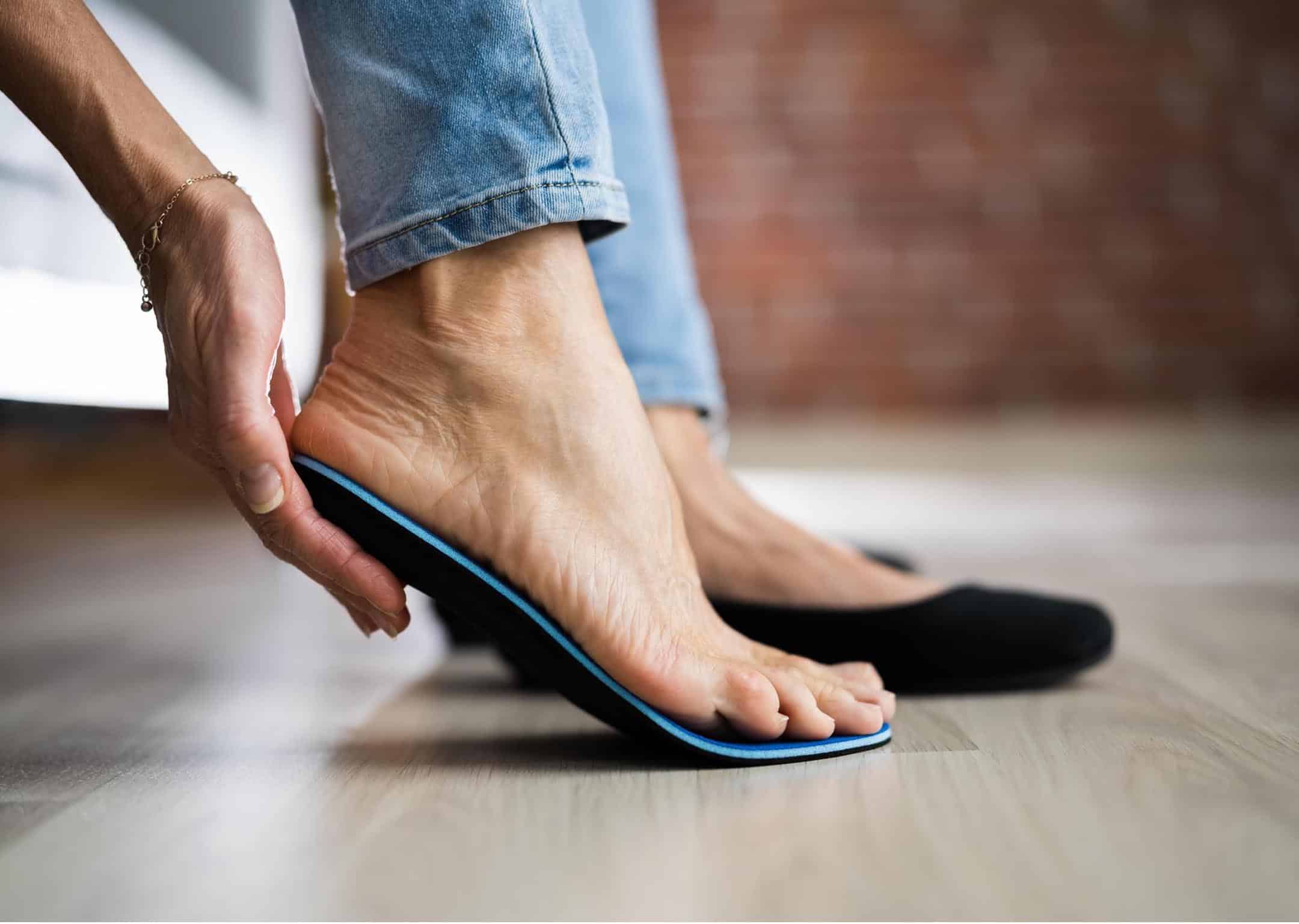
Insoles may be worth considering when foot or lower-limb symptoms appear linked to loading, pressure or movement patterns.
They may be discussed for:
- Heel pain
- Plantar fasciitis
- Arch pain
- Flat feet
- Achilles tendon pain
- Shin splints
- Forefoot pain
- Morton’s neuroma symptoms
- Bunions or pressure-related discomfort
- Running-related foot pain
- Uneven shoe wear
- Foot fatigue during walking or standing
- Support inside work shoes, trainers or sports footwear
Not everyone with these symptoms needs insoles. For some people, footwear advice, activity changes or strengthening may be more suitable. For others, orthoses can be one part of a broader treatment plan.
What happens at an orthoses assessment?
Your appointment is designed to understand how your feet and lower limbs are working, not simply to choose an insole from a shelf.
An orthoses assessment may include:
- Discussion of your symptoms
- Review of walking, sport or work demands
- Foot posture assessment
- Joint movement checks
- Strength and flexibility review
- Gait assessment
- Footwear review
- Pressure or loading assessment
- Discussion of previous insoles or orthotics
- Advice on whether orthoses may be suitable
Stuart will explain what he finds and whether insoles are likely to form part of your treatment plan.
If orthoses are not the best option, he will talk you through other suitable next steps.
Types of insoles and orthotics
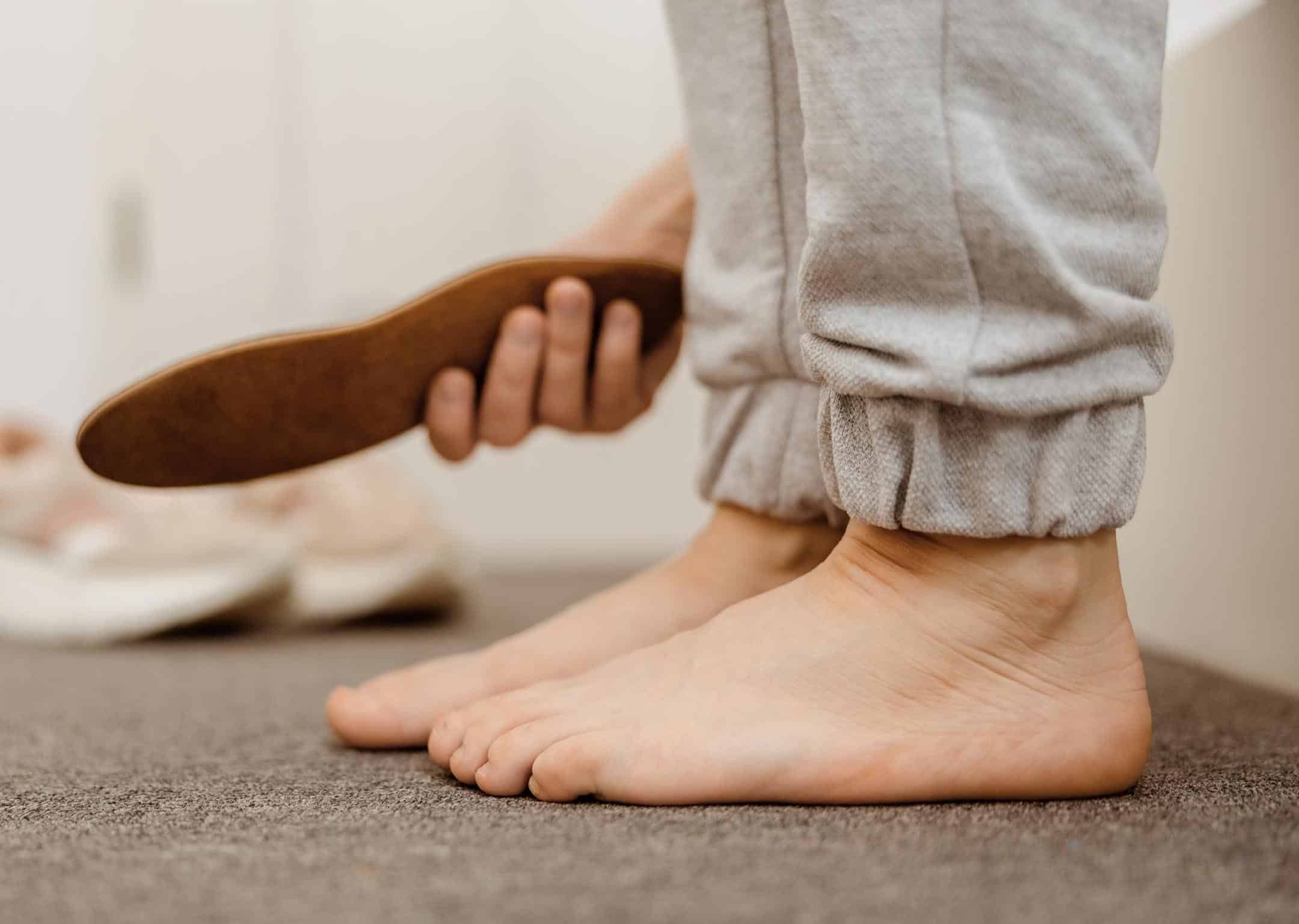
There are different types of insoles. The most suitable option depends on the assessment findings.
A plan may include:
- Footwear advice without insoles
- Pre-fabricated orthoses
- Custom orthoses
- Arch support insoles
- Pressure-relieving insoles
- Sports or running insoles
- Orthoses for work shoes where suitable
- Adjustments or review of existing insoles
The aim is not to use the strongest or most rigid insole possible. It is to find the level of support, comfort and control that fits your footwear and activity.
Custom orthoses
Custom orthoses are designed more specifically around your foot and clinical needs.
They may be considered when symptoms are persistent, more complex or linked to specific loading patterns. They can be useful where a standard insole does not provide the right support, fit or pressure relief.
Custom orthoses may be discussed if you have:
- Recurring heel or arch pain
- Symptoms linked to foot posture
- Ongoing sports or running injuries
- Forefoot pressure problems
- Pain that has not settled with simpler changes
- A need for support across several pairs of shoes
- Previous insoles that have not been suitable
Custom orthoses are not always required. Stuart will explain whether they appear appropriate and how they would fit into your wider plan.
Plantar fasciitis insoles and arch support
People often search for plantar fasciitis insoles when heel or arch pain keeps returning.
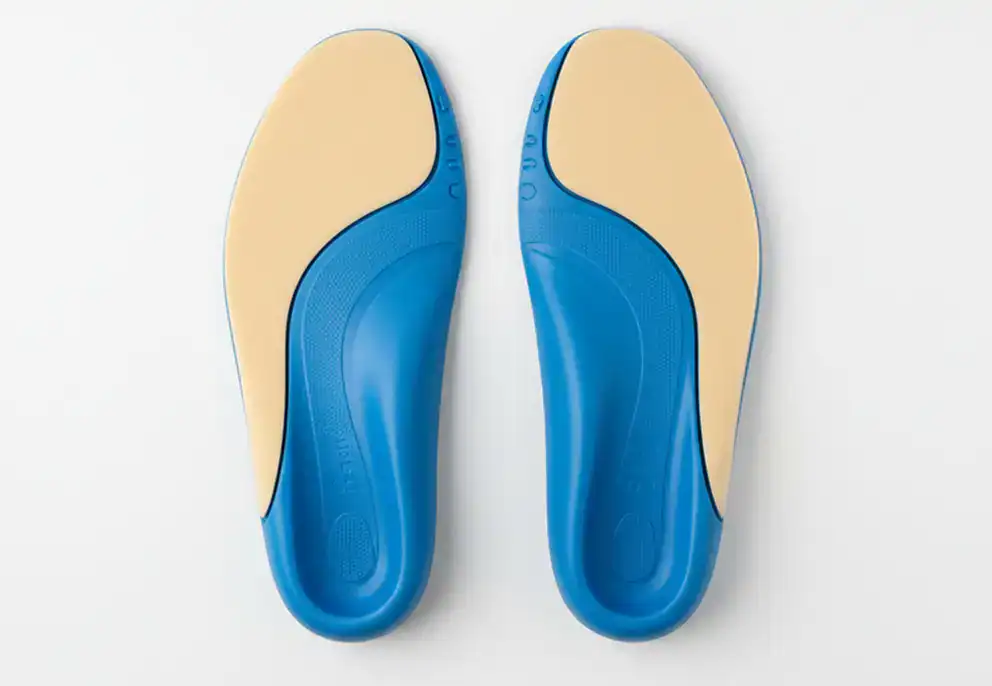
Insoles for plantar fasciitis may help some people by supporting the arch, influencing how the heel loads or reducing strain through the sole of the foot. They are usually most useful when combined with other interventions, such as footwear advice, load management and strengthening guidance.
Arch support insoles can also be helpful for some people with flat feet, fallen arches or foot fatigue. The right level of arch support varies from person to person. Too much support can feel uncomfortable, while too little may not be useful enough.
Assessment helps match the insole to your foot rather than relying on a generic “best insole” recommendation.
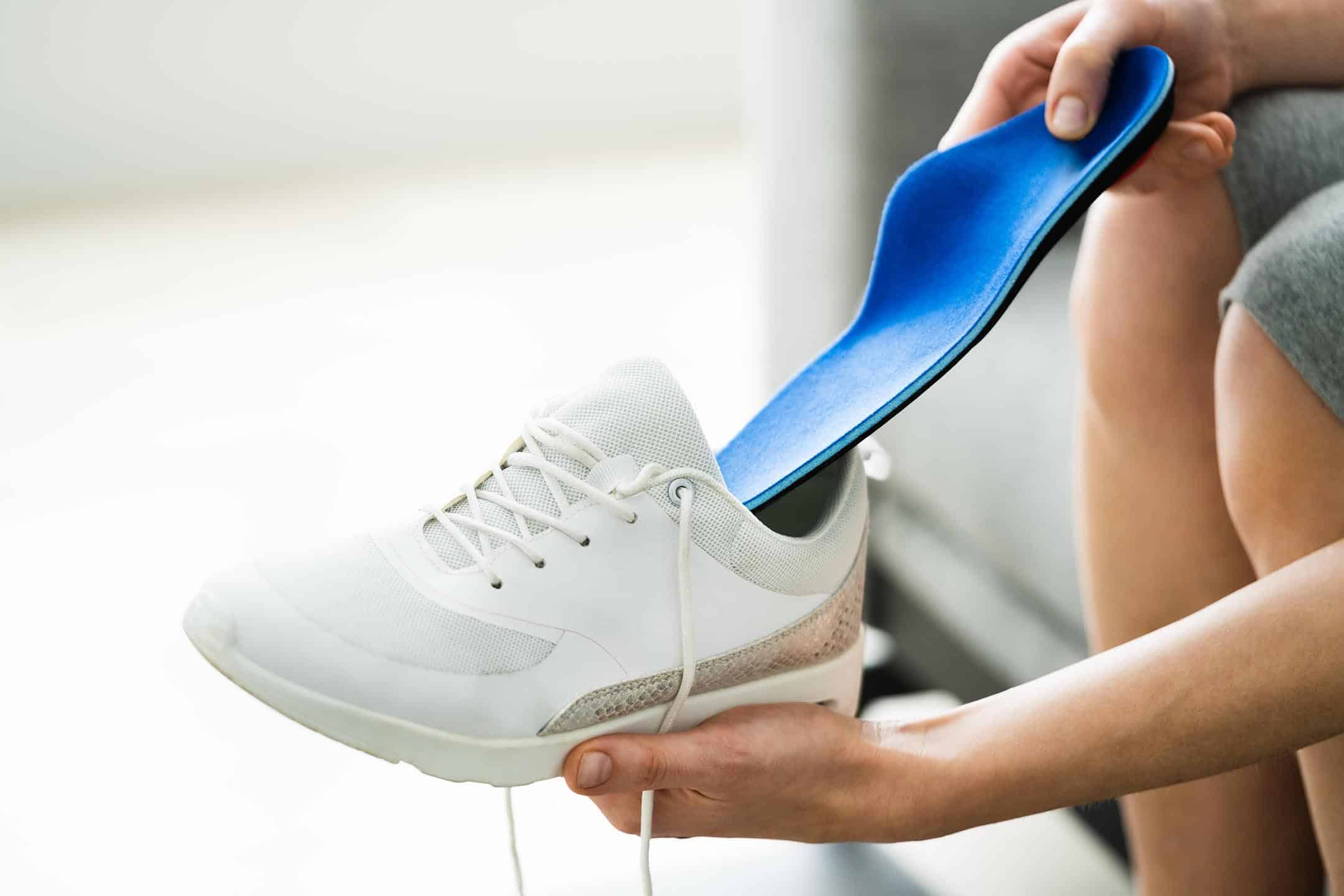
Insoles for shoes and everyday footwear
Insoles need to work with your shoes.
A well-made orthotic may still feel uncomfortable if the shoe is too narrow, too shallow or unsuitable. This is why footwear review is an important part of your assessment.
Stuart may look at:
- Everyday shoes
- Work shoes
- Running shoes
- Walking boots
- Sports footwear
- Shoes with removable liners
- Space inside the shoe
- Wear patterns on the sole
Some shoes are easier to fit with orthoses than others. If your footwear is part of the problem, Stuart can explain what features may be more suitable.
Running insoles and sports orthotics
Running and sport place repeated load through the feet, ankles and legs.
Insoles may be considered if pain appears linked to foot posture, loading patterns, fatigue or repeated irritation during training. They may also be useful where symptoms keep returning despite footwear changes or sensible load management.
Stuart is a runner himself, so he understands how frustrating it can be when foot pain interrupts training. Your assessment may look at running history, shoes, gait, strength, training load and recovery.
Running insoles are not a shortcut around proper rehabilitation. They work best when they are part of a practical plan that reflects your symptoms and goals.

Are insoles suitable for everyone?
Insoles are not the right answer for every foot problem.
They may not be suitable if the main issue is infection, an open wound, severe swelling, certain skin problems or a condition that needs urgent medical assessment. Some people may also need imaging, medical review or a different treatment route before orthoses are considered.
Please tell Stuart if you have:
- Diabetes
- Poor circulation
- Reduced sensation in your feet
- Current wounds or skin breakdown
- Significant swelling
- A recent injury
- Previous orthoses that caused pain
- Any concerns about shoe fit or balance
Suitability depends on your symptoms, medical history, footwear and assessment findings.
Foot orthoses prices
- Biomechanical & Gait Assessment£185
- Custom Orthoses£345
- Duplicate or second pair of Custom Orthoses£295
- Pre-fabricated Orthoses£75
- Follow-up appointment£110
Meet Stuart Hodder
Stuart Hodder is a Specialist Podiatrist and the clinical lead at Evolution Podiatry. He works with patients experiencing foot, ankle and lower-limb pain, helping them understand what may be contributing to their symptoms and what the most suitable next step is.
His approach is calm, practical and personal. Patients see Stuart for clear explanations, careful assessment and treatment planning that is shaped around their symptoms, movement, footwear, activity level and goals.
Stuart has a particular interest in lower-limb function, biomechanics, gait analysis, sports and exercise injuries, child development and alignment concerns. This means he often looks beyond the painful area itself. His work involves assessing concerns such as heel pain, Achilles pain, shin splints, flat feet, sports injuries, gait problems, children’s foot concerns and orthotic needs.

- Specialist Podiatrist and a member of the Royal College of Podiatrists
- HCPC registered (CH14453)
- Experienced in NHS and private practice
- Strong interest in biomechanics and gait analysis
- Runner and cyclist with personal experience of injury and rehabilitation
- Registered and works with insurance medical providers
Foot orthoses FAQs
- What are insoles?
Insoles are inserts that sit inside your shoes. They may provide cushioning, support, pressure relief or help influence how your foot loads.
- Are orthotics the same as insoles?
The terms are often used together. Orthotics or foot orthoses usually refer to insoles used for a clinical purpose, such as supporting foot function or managing load.
- Will I need custom orthoses?
Not always. Some people do well with footwear advice, exercises or pre-fabricated orthoses. Custom orthoses may be discussed if your assessment suggests they are more suitable.
- Can insoles help plantar fasciitis?
Insoles may help some people with plantar fasciitis by supporting the arch or influencing load through the heel and sole of the foot. They are usually part of a wider plan.
- Are arch support insoles good for flat feet?
They may be helpful for some people with painful flat feet or arch fatigue. The right level of arch support depends on your foot, symptoms and footwear.
- Do insoles fit all shoes?
No. Some shoes are too narrow, shallow or flexible for orthoses. It is helpful to bring the shoes you wear most often to your assessment.
- Can I use insoles for running?
Yes, where suitable. Running insoles may be considered if your symptoms are linked to loading, foot posture or repeated training irritation. Assessment helps decide whether they are appropriate.
- How long do orthoses take to get used to?
This varies. Some people adapt quickly, while others need to build up wear gradually. Stuart will explain how to introduce them and what to do if they feel uncomfortable.
- Can insoles make pain worse?
They can if they are not suitable, do not fit your shoes or are introduced too quickly. If insoles increase pain, rubbing or pressure, they should be reviewed.
- Are results guaranteed?
No. Results vary depending on your symptoms, footwear, activity level and how your body responds. Orthoses are recommended only where assessment suggests they may be useful.
Podiatry clinics in London and Surrey
Evolution Podiatry provides specialist foot, ankle and lower-limb care across London and Surrey. Choose the clinic that is most convenient for you, then book an appointment or speak to the clinic if you are unsure which location or appointment type is most suitable.
Notting Hill, W10
Specialist Podiatry care at The Portobello Clinic in Notting Hill for patients across West London.Wimbledon, SW19
Foot and lower-limb assessment at the Legs for Life Clinic in Nuffield Health Parkside Hospital for patients across South West London.Woking, GU21
Podiatry appointments at Nuffield Health Woking Hospital for over 18 year olds across Surrey.
Book a foot orthoses assessment
If foot pain, heel pain or arch discomfort is affecting how you walk, run or stand, an assessment can help clarify whether insoles may be suitable.
Book an assessment with Stuart to understand whether pre-fabricated orthoses, custom orthoses or another treatment route may be the right next step.