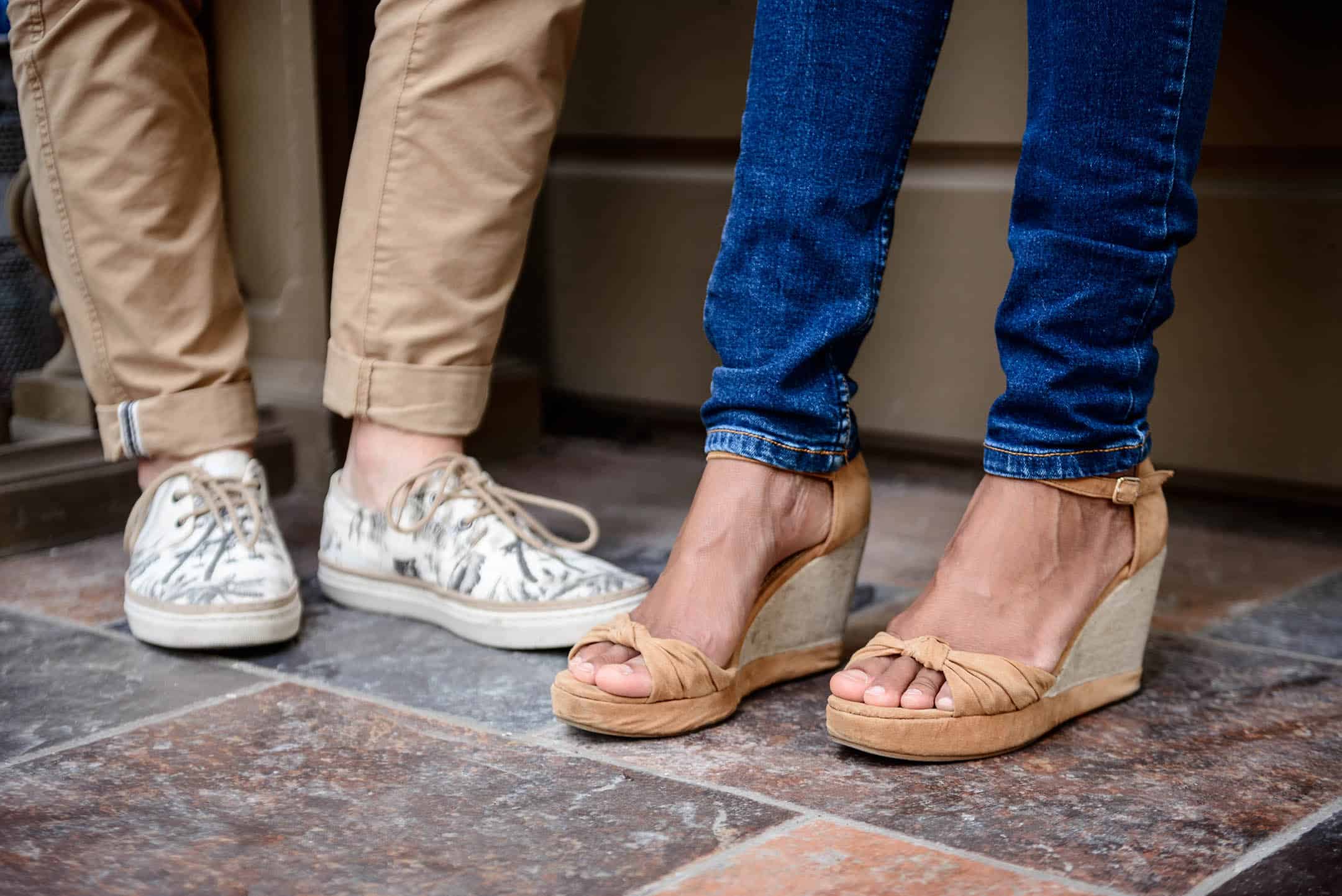

Footwear can make a real difference to how your feet, ankles and legs feel.
The shoes you wear affect how your foot contacts the ground, how pressure moves through the foot and how your lower limb manages load when you walk, run or stand. For some people, a change in footwear can ease irritation. For others, shoes may be only one part of a wider pattern involving foot posture, movement, strength, flexibility or activity levels.
If foot or lower-limb pain keeps coming back, it is worth looking beyond the shoe itself. The most helpful question is not simply “what is the best shoe?” but “what does my foot need for the way I move?”
How shoes can influence foot pain
Every step places load through your feet and lower limbs.
Your footwear can affect:
- How your heel strikes the ground
- How pressure moves through your arch
- How your forefoot loads
- How much your toes can move
- How stable your foot feels
- How much cushioning is available
- How your ankle, knee and hip respond to movement
This does not mean shoes are always the cause of pain. Footwear is one factor among many. Pain may also be linked to training changes, activity levels, foot posture, joint movement, strength, flexibility or previous injury.
A podiatry assessment can help connect these pieces together.
Signs your footwear may be contributing
Shoes may be playing a role if you notice pain that appears or worsens when wearing a particular pair.
Common signs include:
- Heel pain in flat or unsupportive shoes
- Forefoot pain in narrow shoes
- Toe rubbing, pressure or nail irritation
- Arch fatigue after standing or walking
- Achilles or calf discomfort after changing shoe style
- Blisters, corns or callus in repeated areas
- Pain that improves when you switch shoes
- One shoe wearing down faster than the other
- Running pain after changing trainers
Patterns matter. If symptoms repeatedly appear in the same situations, footwear may be contributing to how the foot is loading.
Heel pain and footwear
Heel pain can have several possible causes. It may relate to plantar fasciitis, Achilles irritation, soft tissue overload, footwear, injury or changes in activity.
Shoes may contribute if they offer too little cushioning, feel unstable or place extra strain through the heel and arch. Some people notice heel pain after switching to very flat shoes, worn-out trainers or footwear that does not suit their current activity.
Morning heel pain or pain after rest is often associated with plantar fasciitis, but heel pain should not be self-diagnosed. Assessment can help clarify what may be contributing.
Forefoot pain and narrow shoes
Pain in the ball of the foot can sometimes be linked to pressure from footwear.
Narrow or tight shoes may squeeze the forefoot, irritate the toes or increase pressure across the ball of the foot. This can be especially noticeable in work shoes, smart shoes, football boots, cycling shoes or high heels.
Bunions can also make footwear feel tighter or create pressure around the big toe joint. Read our guide, Can You Fix Bunions Without Surgery?, to understand what non-surgical care may and may not help with.
Forefoot pain may feel like:
- Burning
- Tingling
- Aching
- Bruising
- A “stone in the shoe” sensation
- Pressure near the toes
Morton’s neuroma is one possible cause of forefoot pain. It is commonly associated with burning, tingling or a stone-in-shoe feeling near the toes. Stuart can assess forefoot loading, footwear and treatment options where appropriate .
Running shoes and lower-limb pain
Running shoes can influence how your foot and lower limb manage repeated load.
A change in trainers may feel comfortable at first, but symptoms can appear if the shoe alters how your foot loads or if the change happens alongside increased mileage, speed, hills or harder surfaces.
Running-related pain may appear in the:
- Heel
- Arch
- Achilles tendon
- Shin
- Forefoot
- Ankle
- Knee
- Hip
Sports injuries are often linked to load, movement, footwear, strength, flexibility or training changes. Stuart’s sports podiatry assessment may include training history, foot and lower-limb function, loading patterns, gait analysis where appropriate, footwear advice and treatment recommendations based on assessment findings .
Worn-out shoes can change how you load
Shoes do not need to look destroyed to stop working well for you.
Over time, cushioning can compress, the sole can wear unevenly and the upper can lose its structure. This may affect comfort, stability and how pressure moves through your foot.
You may want to check:
- Is one heel more worn than the other?
- Has the midsole become compressed?
- Does the shoe tilt when placed on a flat surface?
- Is the upper stretched or distorted?
- Are your toes rubbing?
- Has the shoe lost comfort during activity?
- Do symptoms appear only in older shoes?
Uneven wear does not automatically mean something is wrong, but it can give useful clues during assessment.
The right shoe is not the same for everyone
There is no single best shoe for every foot problem.
A shoe that helps one person may not suit another. Your ideal footwear depends on your symptoms, foot shape, activity, work demands, mobility, strength, flexibility and how your foot loads.
For example:
- A runner with Achilles pain may need different advice from someone with forefoot pressure
- A person standing all day may need different footwear from someone returning to sport
- A child with walking concerns may need a different approach from an adult with heel pain
- Someone using orthoses may need enough depth and fit to accommodate them comfortably
This is why generic footwear advice can be limited. Your assessment should guide what is appropriate for you.
Do supportive shoes always help?
Supportive shoes may help some people, but they are not always the full answer.
Footwear can support comfort and loading, but it does not replace assessment if symptoms are persistent, worsening or recurring. Sometimes pain continues because of training load, restricted movement, weakness, tendon loading, skin or nail problems or another contributing factor.
Supportive footwear may be useful as part of a wider plan, especially when paired with:
- Activity modification
- Strength or mobility advice
- Gait analysis where appropriate
- Orthoses where suitable
- Treatment for skin or nail problems
- Clear guidance around gradual return to activity
A biomechanical assessment looks at how the feet, legs and body move together and may help identify whether foot posture, joint movement, muscle strength, flexibility, alignment or loading patterns are contributing to pain .
What about orthoses or insoles?
Orthoses are insoles designed to support foot function, comfort or loading where assessment suggests they may be useful.
They are not needed for everyone. They should not be chosen simply because pain is present or because a shoe feels uncomfortable.
Stuart will only discuss orthoses if your assessment suggests they may support your symptoms, activity goals or foot function. If they are suitable, he will explain how they fit into the wider plan.
What to bring to a podiatry appointment
If footwear may be linked to your symptoms, bring the shoes you wear most often.
It is helpful to bring:
- Everyday shoes
- Work shoes
- Running or sports shoes
- Walking boots if relevant
- Cycling shoes if relevant
- Any insoles or orthoses you currently use
- Shoes that make symptoms worse
- Shoes that feel more comfortable
Stuart can look at fit, wear patterns, pressure areas and whether your footwear may be contributing to your symptoms.
When should footwear-related pain be assessed?
Book an assessment if pain is affecting walking, running or daily activity, keeps coming back, is getting worse or has not improved with sensible self-care. Assessment is also sensible if you have tingling, numbness, altered sensation, diabetes and foot pain or concerns about changes in foot shape, skin, nail or movement .
You should also consider assessment if:
- You keep buying new shoes but the pain returns
- Your shoes wear unevenly
- One side feels different from the other
- You are unsure whether orthoses would help
- Pain appears during sport or longer walks
- You have recurring blisters, corns or callus
- Footwear pressure is affecting your nails or toes
Seek urgent medical help if you have severe pain after an injury, inability to walk, sudden deformity, spreading redness, fever, pus, a deep wound or signs of infection.
How Stuart can help
Stuart Hodder is a Specialist Podiatrist and clinical lead at Evolution Podiatry. He has extensive experience treating foot, ankle and lower-limb pain, with a particular interest in biomechanics, gait analysis, sports injuries and child development.
Your appointment may include:
- Discussion of your symptoms
- Footwear review
- Foot and lower-limb assessment
- Foot posture assessment
- Strength and flexibility checks
- Walking or running assessment where appropriate
- Gait analysis where useful
- Orthoses discussion if suitable
- Clear treatment recommendations
The aim is to understand how your footwear, foot function and movement may be working together, then guide you towards practical next steps.
FAQs
- Can the wrong shoes cause foot pain?
Shoes can contribute to foot pain, especially if they are too tight, worn, unstable or unsuitable for your activity. They are not always the only cause, so assessment may be helpful if pain persists.
- What shoes are best for foot pain?
There is no single best shoe for every type of foot pain. The right footwear depends on your symptoms, foot shape, activity and assessment findings.
- Can footwear affect knee or hip pain?
Footwear can influence how the foot and lower limb manage load. In some people, this may contribute to ankle, knee or hip discomfort, especially alongside movement or loading factors.
- Should I change shoes if my feet hurt?
If a specific pair clearly worsens symptoms, it may be sensible to avoid them temporarily. If pain continues, book an assessment rather than repeatedly changing shoes without guidance.
- Do I need orthoses?
Not everyone needs orthoses. Stuart will only discuss them if your assessment suggests they may support foot function, comfort or activity goals.
- Should I bring my shoes to my appointment?
Yes. Bring your everyday shoes, sports shoes and any insoles or orthoses you currently use. Wear patterns and fit can provide useful clues.
Book a footwear and foot pain assessment
If foot or lower-limb pain is affecting walking, running, work or daily activity, an assessment can help clarify whether footwear is part of the picture.
Stuart will assess your symptoms, review your footwear where relevant and explain what may be contributing to the problem.