Verruca & Wart Removal
A wart can be uncomfortable and difficult to identify, especially when it appears on the foot and starts to affect walking.
Verrucas are warts that develop on the sole of the foot. They may feel tender under pressure, look like a small rough area of skin or become covered by hard skin, which can make them harder to recognise.
You do not need to be certain that you have a wart before booking. An assessment can help check whether the area looks like a verruca, whether treatment may be suitable and what the next step should be.
What is a wart?
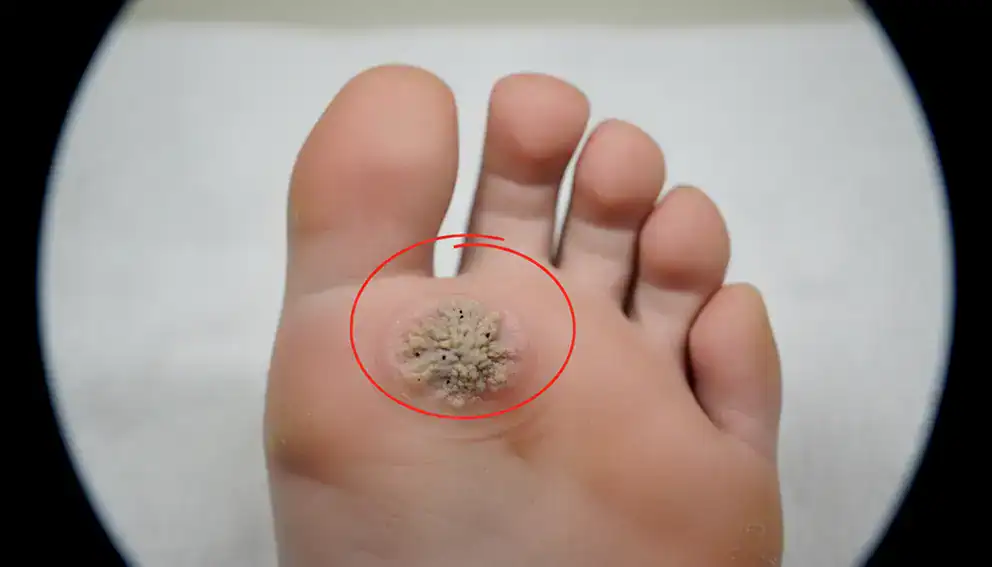
A wart is a small skin growth caused by certain types of human papillomavirus, often shortened to HPV.
Warts can appear on different areas of the body, including the hands, fingers, face and feet. When a wart appears on the sole of the foot, it is usually called a verruca or plantar wart.
On the foot, a verruca may become painful because body weight presses it into the skin. This can make it feel different from a wart on a finger or hand.
Warts are common and not always painful. Some clear without treatment, while others persist, spread or become uncomfortable enough to need treatment.
How to identify a wart or verruca
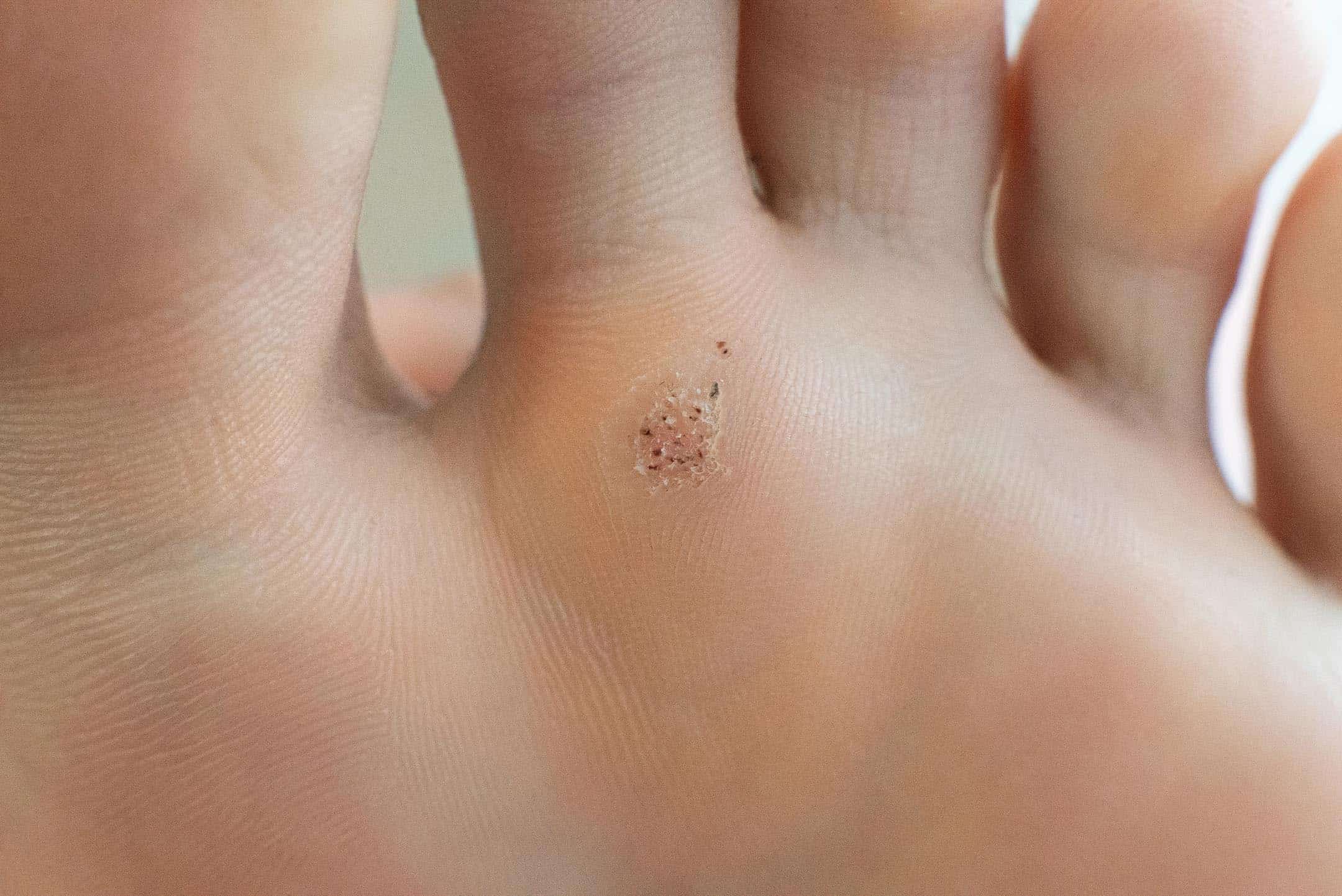
It is not always easy to tell whether a small skin lesion is a wart, verruca, corn or another type of skin change.
A wart or verruca may have:
- A rough or grainy surface
- A small raised or flattened area of skin
- Tiny dark dots within the lesion
- Hard skin over the top
- Tenderness when squeezed from the sides
- Pain when standing or walking, if it is on the sole
- A break in normal skin lines
- Similar lesions nearby
A verruca on the foot may be flatter than a wart elsewhere because it is pressed inwards by body weight.
If you are unsure what the lesion is, avoid cutting, digging or pulling at it. Assessment can help clarify what may be happening and whether treatment is appropriate.
How to identify a wart or verruca
It is not always easy to tell whether a small skin lesion is a wart, verruca, corn or another type of skin change.
A wart or verruca may have:
- A rough or grainy surface
- A small raised or flattened area of skin
- Tiny dark dots within the lesion
- Hard skin over the top
- Tenderness when squeezed from the sides
- Pain when standing or walking, if it is on the sole
- A break in normal skin lines
- Similar lesions nearby
A verruca on the foot may be flatter than a wart elsewhere because it is pressed inwards by body weight.
If you are unsure what the lesion is, avoid cutting, digging or pulling at it. Assessment can help clarify what may be happening and whether treatment is appropriate.
Verrucas on the feet
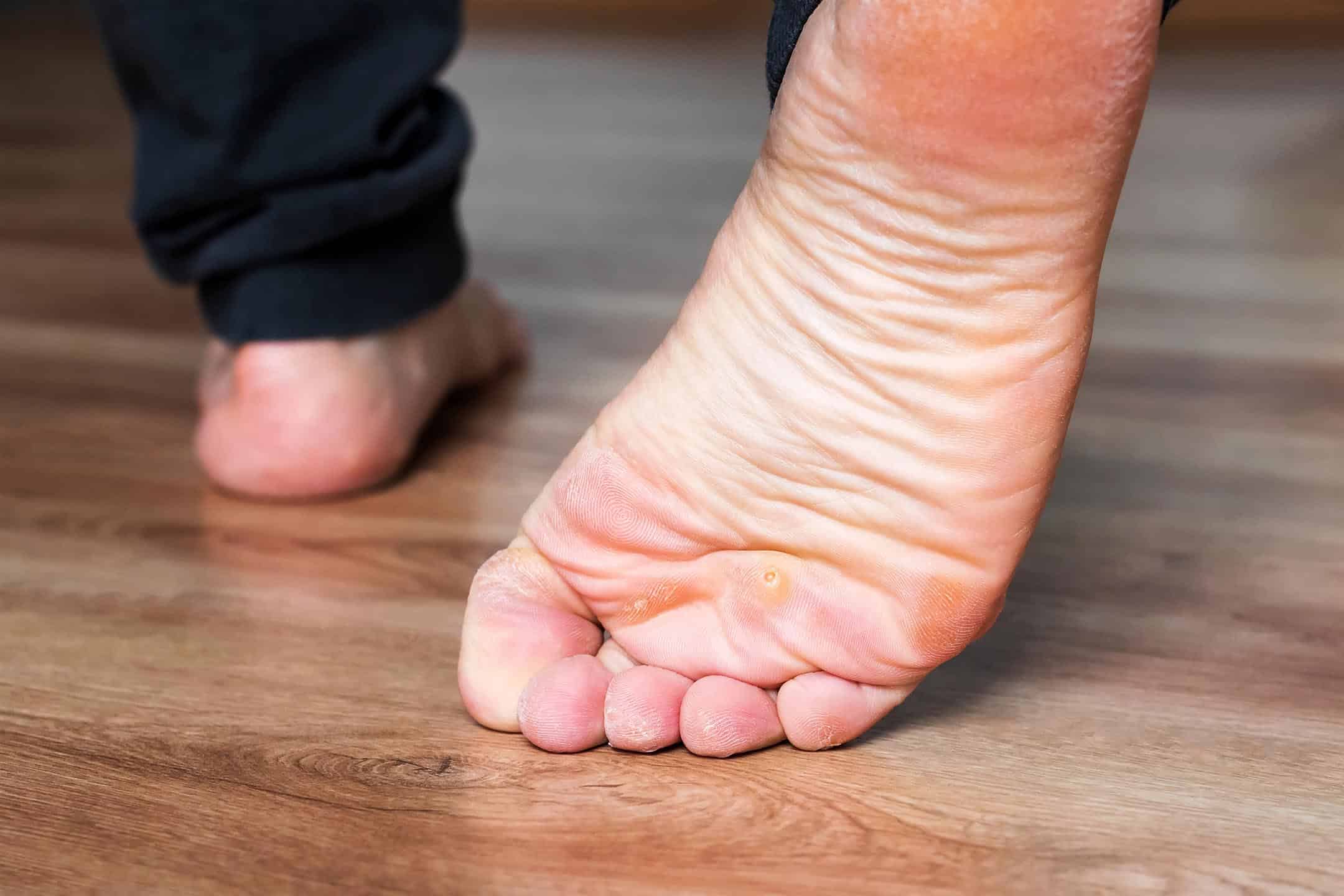
A verruca is a wart on the sole of the foot.
Some verrucas cause little irritation. Others can become painful when walking, standing, running or wearing certain shoes. They may appear on the heel, ball of the foot, toes or weight-bearing areas.
Verrucas can sometimes be hidden under callus, which is thickened skin. This may make the area feel like a corn or a small stone under the foot.
A podiatry assessment can help check the area, remove hard skin where appropriate and discuss suitable verruca treatment options.

What can contribute to warts and verrucas spreading?
Warts and verrucas can spread through direct contact or contact with contaminated surfaces.
They are often more likely to spread when skin is wet, softened or broken. Shared barefoot environments can also make it easier for verrucas to pass between people.
Possible contributing factors include:
- Walking barefoot in communal areas
- Small breaks in the skin
- Picking or scratching the wart
- Sharing towels, socks or footwear
- Having several verrucas close together
- Covering the area poorly during sport or swimming
- Reduced immune response in some people
Not everyone exposed to the virus develops a wart. Some people are more prone to them than others.
When should you get a wart or verruca assessed?
It is sensible to arrange an assessment if a verruca is painful, persistent, spreading or affecting how you walk.
Assessment may be helpful if:
- The area is painful when standing or walking
- You are unsure whether it is a wart, verruca or corn
- The lesion keeps returning
- The wart appears to be spreading
- Hard skin is building over the area
- You have tried pharmacy treatment without improvement
- The lesion is affecting sport, work or daily comfort
- You have diabetes and a foot lesion
- You have reduced sensation or circulation concerns
- The area looks unusual or is changing
Please seek medical advice promptly if a skin lesion is bleeding, rapidly changing, very painful, infected, ulcerated or unusual in appearance.
How Stuart assesses verrucas and warts on the foot
Your appointment is designed to check the lesion carefully and understand how it is affecting you.
Stuart may assess:
- Whether the area looks like a verruca
- Where it is located on the foot
- How long it has been present
- Whether it is painful
- Whether there are multiple lesions
- Whether hard skin is covering the area
- Previous wart treatment or pharmacy treatment
- Your medical history
- Whether treatment is suitable
- Whether onward referral is needed
Hard skin may be reduced where appropriate so the lesion can be assessed more clearly and pressure can be eased.
Stuart will explain what he finds, whether the lesion appears suitable for podiatry treatment and which options may be worth considering.

Wart treatment and verruca removal options
Wart treatment depends on the lesion, your symptoms, your medical history and what has already been tried.
For verrucas on the foot, suitable options include:
- Advice and monitoring
- Hard skin reduction where appropriate
- Salicylic acid treatment
- Cryotherapy
- Swift microwave therapy
- Verruca needling
- Advice to reduce spread
- Referral if the lesion needs further assessment
Not every verruca needs treatment. Some clear without intervention, especially if they are not painful or spreading.
No wart removal treatment works for everyone. The most suitable option depends on your assessment findings, the type of lesion, your comfort, your health and previous treatment history.
Swift, cryotherapy and needling
Evolution Podiatry offers several clinician-led treatment options for verrucas on the foot.
Swift microwave therapy applies controlled microwave energy to the verruca area. It may be suitable for some persistent verrucas, but suitability depends on assessment.
Cryotherapy involves applying controlled cold therapy to the lesion. This may be used for some verrucas where appropriate.
Verruca needling is another clinician-led option that may be considered for certain persistent lesions.
Stuart will explain the benefits, risks and limitations of any treatment before it begins. Results vary from person to person.
Can you remove a wart at home?
Some people try pharmacy wart treatment before seeking podiatry advice.
Pharmacy treatments may include salicylic acid products, but they are not suitable for everyone. You should be especially cautious if you have diabetes, poor circulation, reduced sensation, a wound or uncertainty about whether the lesion is actually a wart.
Avoid cutting, digging, burning or pulling at a wart yourself. This can irritate the skin, increase discomfort and raise the risk of infection.
If a verruca is painful, persistent or difficult to identify, it is sensible to get it assessed.
Warts and children
Warts and verrucas can affect children as well as adults. Many are harmless, but treatment may be useful if a verruca is painful, spreading or affecting walking or sport.
Children can visit Evolution Podiatry at the Portobello and Wimbledon clinics.
Please note that under-18 appointments are not available at the Woking clinic.
Podiatry clinics in London and Surrey
Evolution Podiatry provides specialist foot, ankle and lower-limb care across London and Surrey. Choose the clinic that is most convenient for you, then book an appointment or speak to the clinic if you are unsure which location or appointment type is most suitable.
Notting Hill, W10
Specialist Podiatry care at The Portobello Clinic in Notting Hill for patients across West London.Wimbledon, SW19
Foot and lower-limb assessment at the Legs for Life Clinic in Nuffield Health Parkside Hospital for patients across South West London.Woking, GU21
Podiatry appointments at Nuffield Health Woking Hospital for over 18 year olds across Surrey.
Meet Stuart Hodder
Stuart Hodder is a Specialist Podiatrist and the clinical lead at Evolution Podiatry. He works with patients experiencing foot, ankle and lower-limb pain, helping them understand what may be contributing to their symptoms and what the most suitable next step is.
His approach is calm, practical and personal. Patients see Stuart for clear explanations, careful assessment and treatment planning that is shaped around their symptoms, movement, footwear, activity level and goals.
Stuart has a particular interest in lower-limb function, biomechanics, gait analysis, sports and exercise injuries, child development and alignment concerns. This means he often looks beyond the painful area itself. His work involves assessing concerns such as heel pain, Achilles pain, shin splints, flat feet, sports injuries, gait problems, children’s foot concerns and orthotic needs.

- Specialist Podiatrist and a member of the Royal College of Podiatrists
- HCPC registered (CH14453)
- Experienced in NHS and private practice
- Strong interest in biomechanics and gait analysis
- Runner and cyclist with personal experience of injury and rehabilitation
- Registered and works with insurance medical providers
Verruca and wart removal FAQs
- When should I seek urgent advice about a wart?
Seek medical advice promptly if the lesion is bleeding, rapidly changing, infected, ulcerated, very painful, unusual in appearance or if you have diabetes, reduced sensation or circulation concerns.
- What is the difference between a wart and a verruca?
A verruca is a wart on the sole of the foot. Warts can appear on different parts of the body, while verrucas are foot-related and may become painful because of pressure when standing or walking.
- How can I identify a wart?
A wart may look rough, grainy or slightly raised. A verruca on the foot may look flatter and may have tiny dark dots or hard skin over it. Assessment can help distinguish a verruca from a corn or another skin lesion.
- Are warts caused by HPV?
Yes. Warts are caused by certain types of human papillomavirus, known as HPV. Different HPV types can be linked with different wart appearances.
- Can Evolution Podiatry treat warts on hands or fingers?
Evolution Podiatry focuses on foot and lower-limb care. Verrucas and warts on the feet are suitable for podiatry assessment. Warts on hands, fingers, face or other areas are better assessed by a GP, pharmacist or skin specialist.
- What is a filiform wart?
A filiform wart is a type of wart that can look narrow, finger-like or thread-like. It is more commonly discussed in relation to the face or neck than the sole of the foot, so medical or dermatology advice may be more suitable.
- Is wart removal always needed?
No. Some warts and verrucas clear without treatment. Treatment may be useful if the verruca is painful, persistent, spreading or affecting walking.
- Which wart treatment is best?
There is no single best wart treatment for everyone. Options depend on the lesion, your health, previous treatment history and assessment findings.
- Does wart removal hurt?
Some treatments can be uncomfortable. Stuart will explain what to expect, whether a treatment is suitable and any aftercare before you decide how to proceed.
- Can verrucas come back?
Yes, verrucas can recur in some people. Results vary, and no treatment can guarantee that a wart will not return.
Insights
Helpful, plain English articles about foot pain, sports injuries, gait, children’s foot health and treatment options.
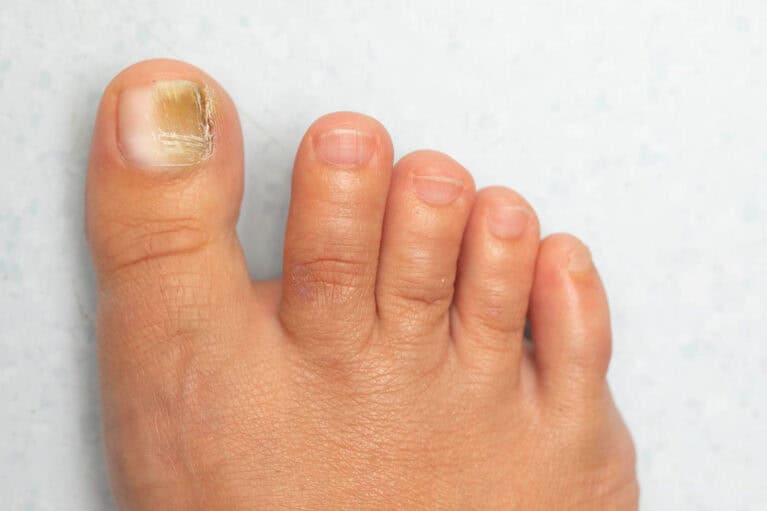
Fungal Nail Infections: Does Laser Treatment Actually Work?

Flat Feet in Children: When Should You Worry?
Morton’s Neuroma: Why Your Forefoot Burns

Shin Splints: Causes, Treatment & Return to Running
Book a verruca or wart assessment
If a wart on the foot is painful, spreading or difficult to identify, an assessment can help clarify what it is and whether treatment may be suitable.
Book an assessment with Stuart to understand your options and take the next step towards more comfortable movement.