Gait Analysis
What is gait
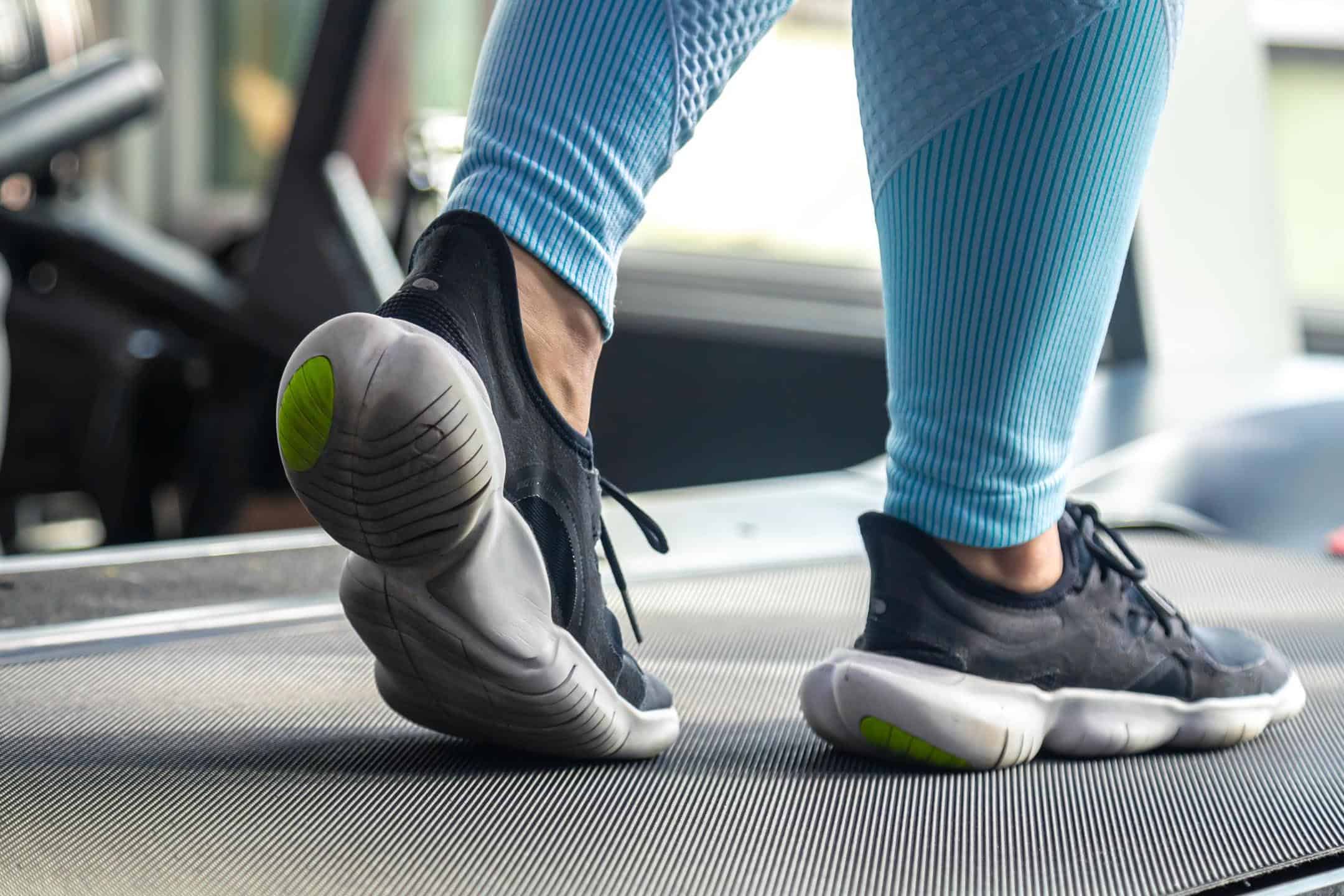
Gait is the way you walk or run.
Each step involves your feet, ankles, knees, hips and body working together. Small changes in movement, posture, strength, flexibility or loading can sometimes affect comfort, especially if you are walking long distances, standing for work or repeating the same movements during sport. A gait analysis helps connect what is seen during movement with your symptoms, activity level and goals.
Who is gait analysis for?
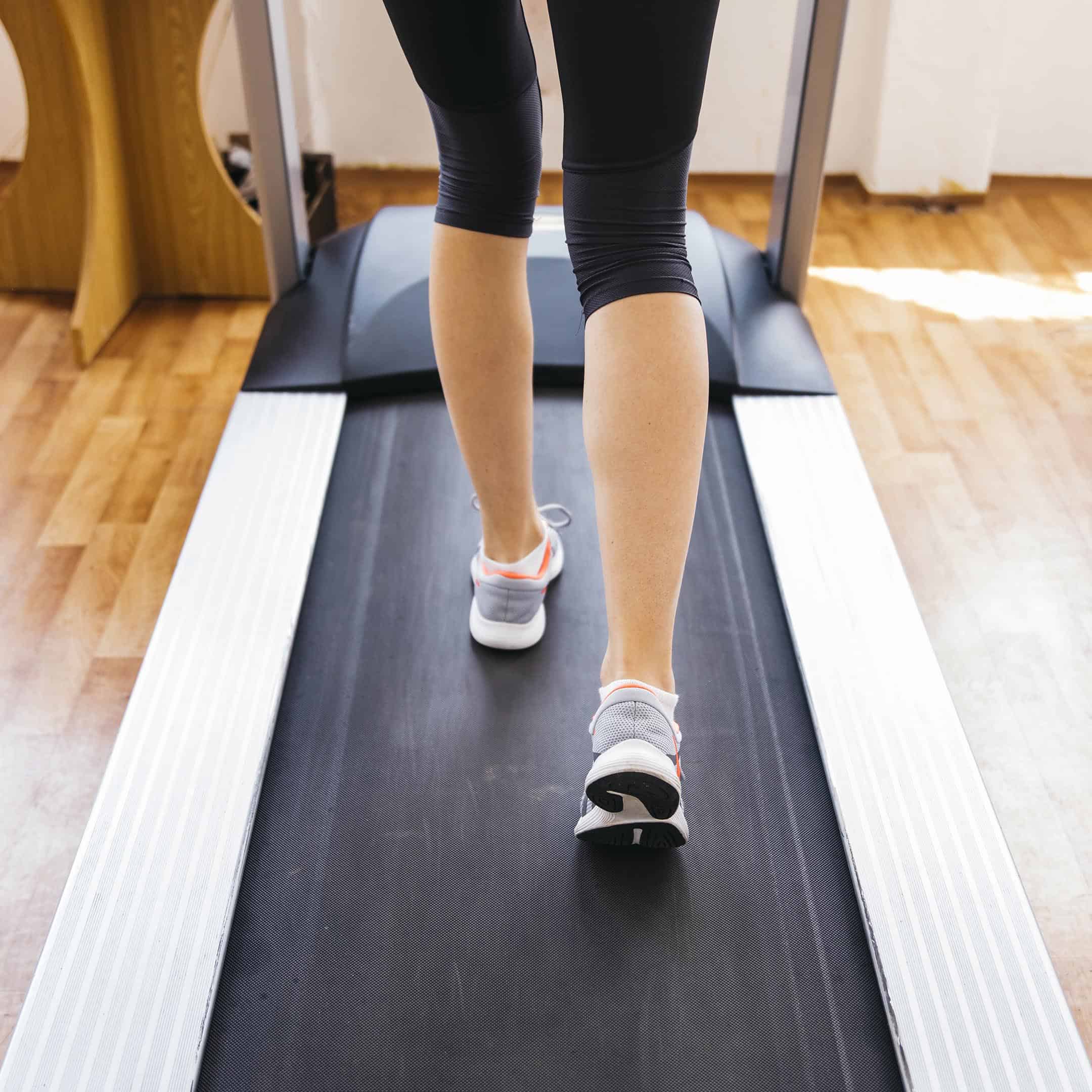
Gait analysis may be useful if pain or movement concerns are affecting how you walk, run or stand. It can be helpful for:
- Foot pain
- Heel pain
- Plantar fasciitis
- Achilles pain
- Shin splints
- Knee pain
- Hip discomfort
- Flat feet
- Uneven loading
- Recurring sports injuries
- Walking pattern concerns
- Running injuries
- Footwear advice
- Orthoses advice
You do not need to be a runner to benefit from gait analysis. It may be useful for everyday pain, work-related discomfort, walking difficulties or symptoms that keep returning without a clear reason.
What can gait analysis help identify?
A gait analysis can help show how your feet and lower limbs are moving under load.
It may help identify:
- Whether one side is loading differently from the other
- Whether restricted movement, weakness or tightness may be involved
- How your foot lands when you walk or run
- Whether footwear is helping or aggravating your symptoms
- Whether your walking or running gait is placing strain on the foot or lower limb
- Whether orthoses may be suitable
- Whether foot posture may be affecting movement
- Whether further biomechanical assessment may be helpful
The aim is not to label one movement pattern as “good” or “bad”. It is to understand whether the way you move may be linked to your symptoms and what can be done to support more comfortable movement.
What happens during a gait analysis appointment?
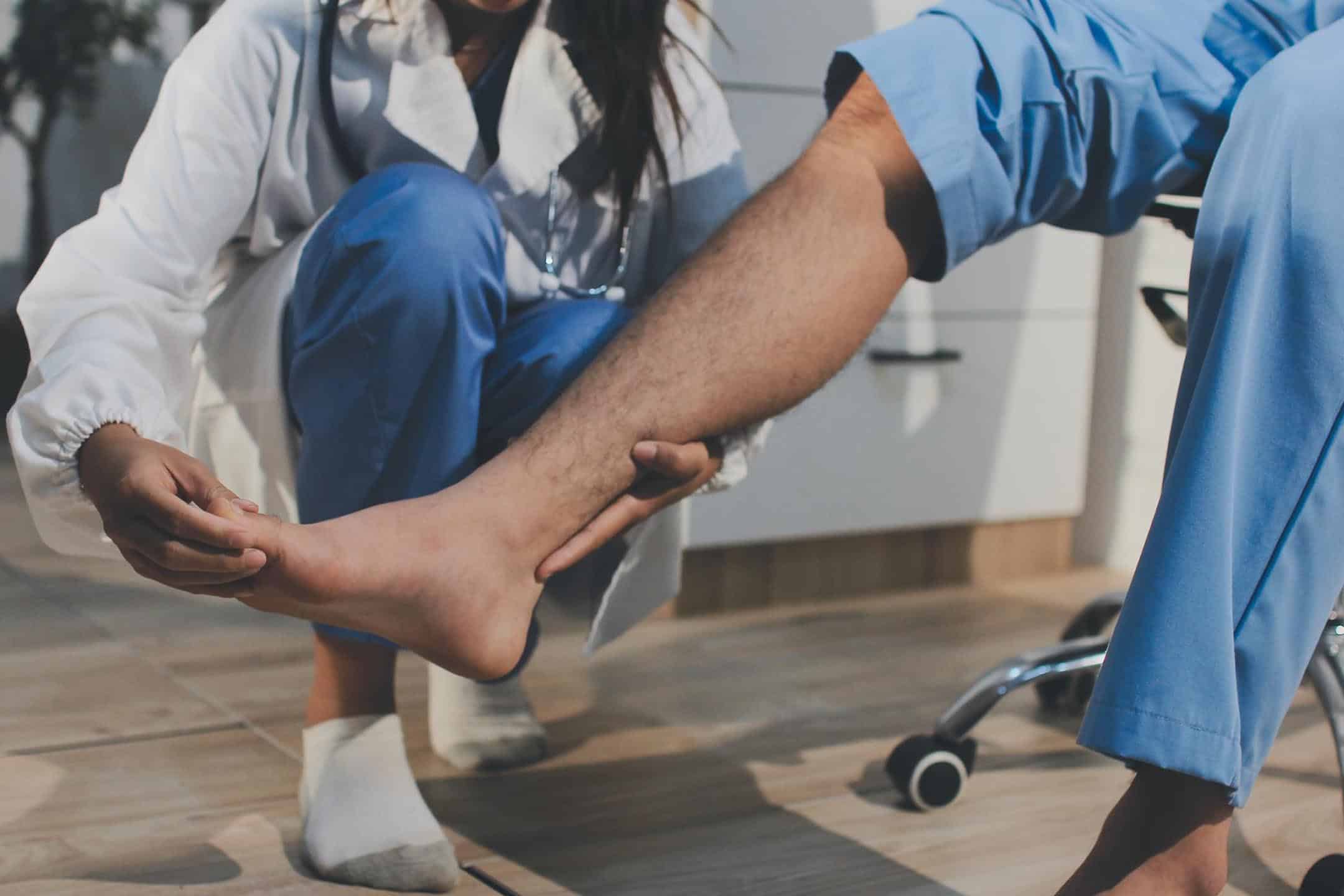
Your appointment is personalised to your symptoms, activity level and what you need your feet and legs to cope with. A gait analysis appointment may include:
Stuart will explain your findings clearly, so you understand what has been found and how it may relate to your symptoms.
Gait analysis for everyday pain
Gait analysis can also be useful if your symptoms affect daily life rather than sport.
Walking, standing, stairs and work demands can all place repeated load through the feet and lower limbs. If you notice pain during everyday activity, uneven wear on shoes or a change in the way you move, gait analysis may help clarify what is contributing.
This can be especially useful when symptoms do not seem to settle with simple changes or when pain keeps shifting from one area to another.

Running gait analysis
Running places a repeated load through the feet, ankles and legs. If symptoms appear during or after running, a running gait analysis can help assess how your body is managing that load.
This may be useful if you have:
- Heel pain when running
- Recurring running injuries
- Achilles pain or tightness
- Shin pain
- Pain that appears after increasing distance or intensity
- Forefoot pain
- Discomfort linked to changes in footwear or surface
Running gait analysis is not only for competitive runners. It may be helpful for anyone who wants to understand why running keeps causing discomfort or why the same injury keeps returning.
Gait analysis, biomechanics and orthoses
Gait analysis and biomechanics are closely linked.
Gait analysis focuses on how you move when walking or running. A biomechanical assessment looks more broadly at how your joints, muscles, posture and lower-limb function may be contributing to symptoms. For some people, gait analysis provides enough information to guide practical advice. Others may benefit from a more detailed biomechanical foot assessment, especially if symptoms are persistent, complex or linked to several areas.
Orthoses may be discussed if the assessment suggests they could help support foot function or manage load. They will only be recommended where appropriate.
How the findings guide treatment
The results of your gait analysis help shape the next step.
Depending on what is found, your plan may include:
- Footwear advice
- Running or walking advice
- Load management
- Biomechanical assessment
- Strengthening guidance
- Mobility or flexibility work
- Foot orthoses if suitable
- Rehabilitation advice
- Referral for further investigation
Not everyone needs orthoses or further tests. Stuart’s recommendations will depend on your symptoms, movement findings, footwear, activity level and goals.
Meet Stuart Hodder
Stuart Hodder is a Specialist Podiatrist and the clinical lead at Evolution Podiatry. He works with patients experiencing foot, ankle and lower-limb pain, helping them understand what may be contributing to their symptoms and what the most suitable next step is.
His approach is calm, practical and personal. Patients see Stuart for clear explanations, careful assessment and treatment planning that is shaped around their symptoms, movement, footwear, activity level and goals.
Stuart has a particular interest in lower-limb function, biomechanics, gait analysis, sports and exercise injuries, child development and alignment concerns. This means he often looks beyond the painful area itself. His work involves assessing concerns such as heel pain, Achilles pain, shin splints, flat feet, sports injuries, gait problems, children’s foot concerns and orthotic needs.

- Specialist Podiatrist and a member of the Royal College of Podiatrists
- HCPC registered (CH14453)
- Experienced in NHS and private practice
- Strong interest in biomechanics and gait analysis
- Runner and cyclist with personal experience of injury and rehabilitation
- Registered and works with insurance medical providers
Frequently Asked Questions
- Is gait analysis the same as a biomechanical assessment?
They are related, but not exactly the same. Gait analysis focuses on walking or running movement. A biomechanical assessment with Stuart looks more widely at foot posture, joint movement, strength, flexibility and lower-limb function.
- Should I bring my shoes?
Yes. Please bring the shoes you wear most often. If your symptoms are linked to running or sport, bring your running or sports shoes as well.
- Will gait analysis tell me if I need orthoses?
It may help inform that decision, but not everyone needs orthoses. They will only be discussed if your assessment suggests they may be useful for your foot function, symptoms or activity goals.
- What is gait analysis?
Gait analysis is an assessment of how you walk or run. It looks at movement patterns, loading and how your feet and lower limbs work together.
- Do I need to be a runner to have gait analysis?
No. Gait analysis can be useful for everyday walking pain, recurring foot problems, lower-limb discomfort or movement concerns, as well as running injuries.
- What is running gait analysis?
Running gait analysis looks specifically at how you move when running. It may help identify movement or loading patterns that could be contributing to pain or recurring injury.
Insights
Helpful, plain English articles about foot pain, sports injuries, gait, children’s foot health and treatment options.
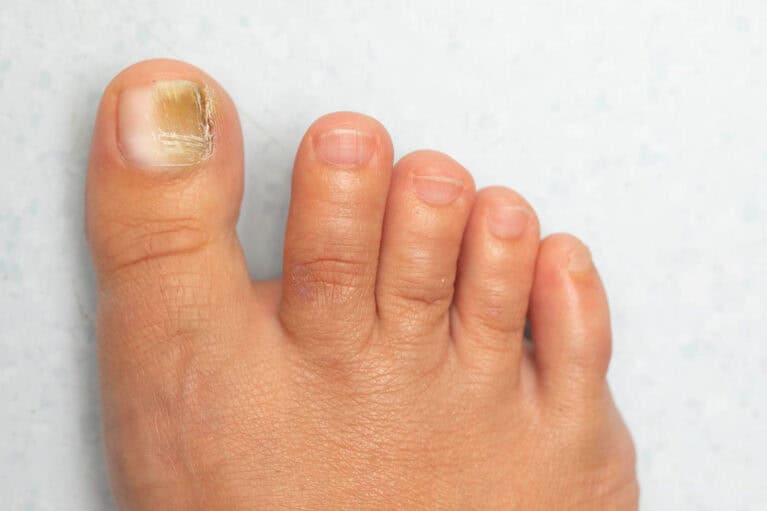
Fungal Nail Infections: Does Laser Treatment Actually Work?

Flat Feet in Children: When Should You Worry?
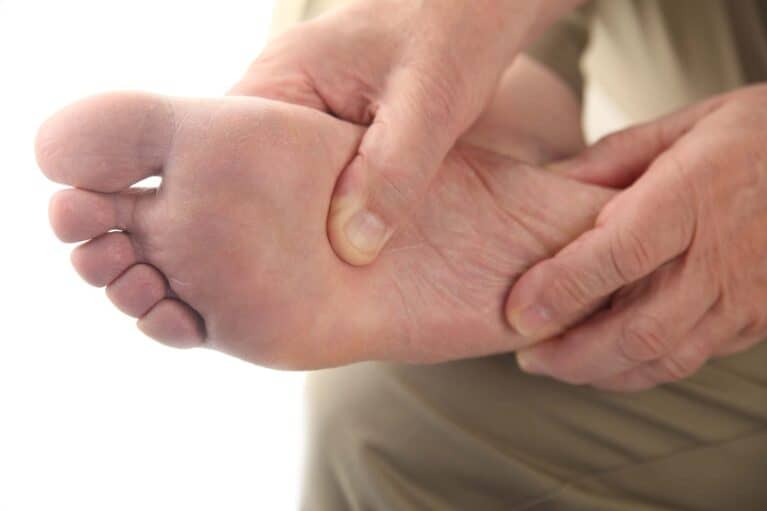
Morton’s Neuroma: Why Your Forefoot Burns
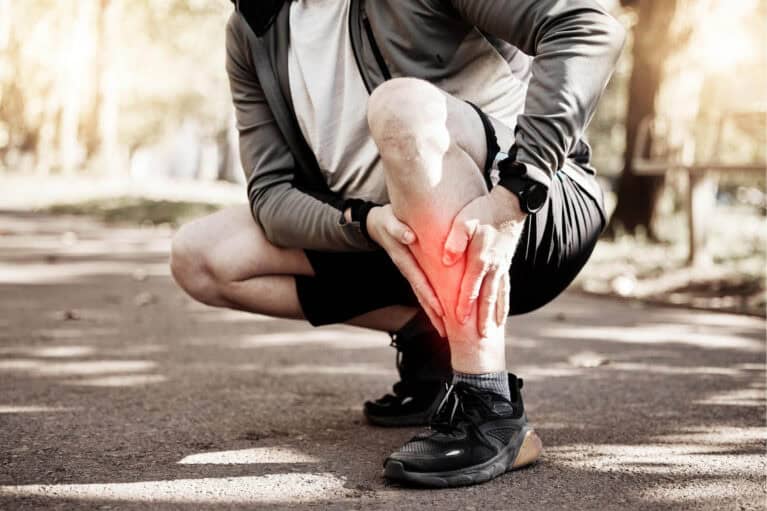
Shin Splints: Causes, Treatment & Return to Running
Book a gait analysis
If foot, ankle or lower-limb pain is affecting the way you walk, run or move, gait analysis can help build a clearer picture of what may be contributing to your symptoms.
Book a gait analysis with Stuart and take the next step towards understanding your movement more clearly.