Verruca Treatment in London and Surrey
What is a verruca?
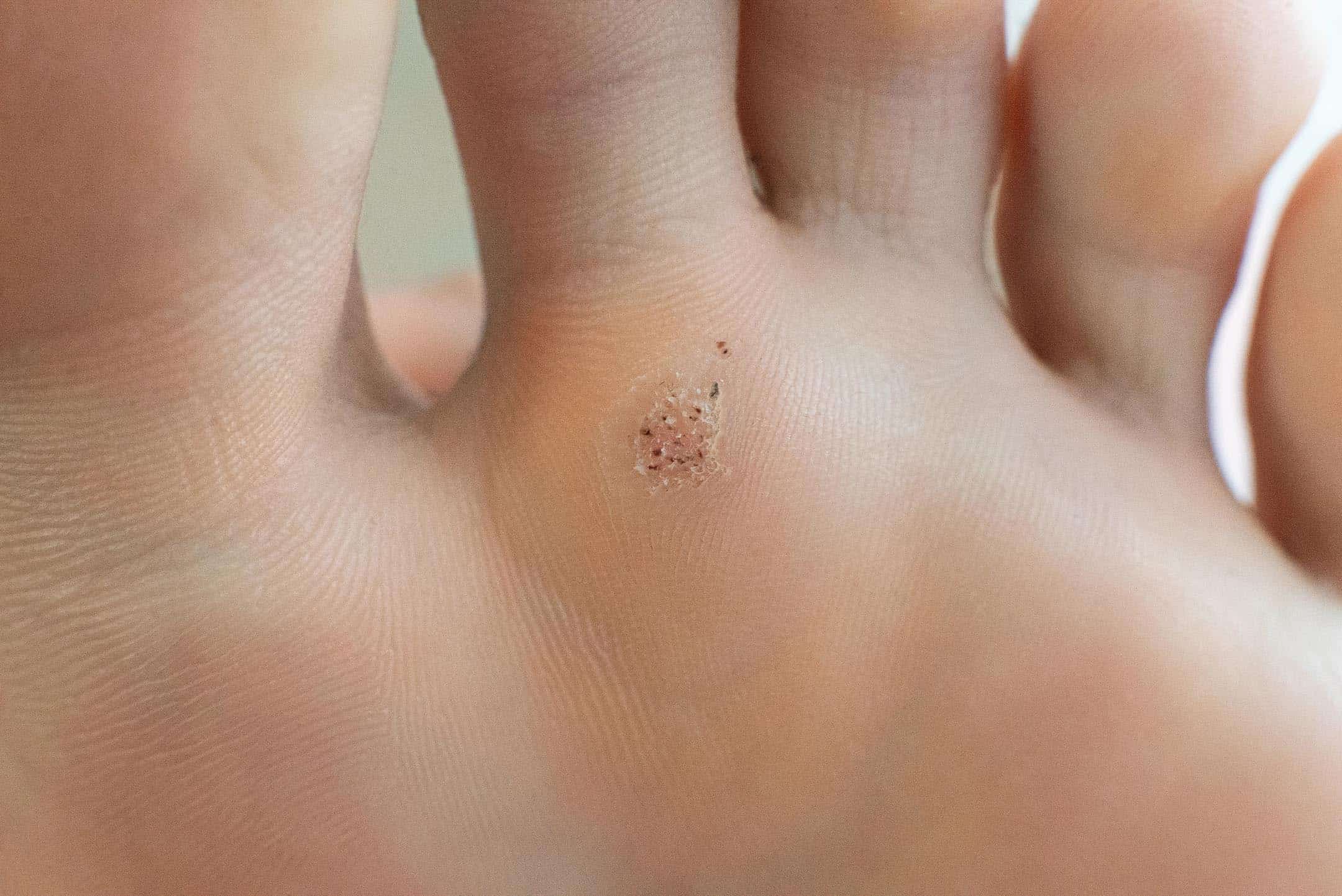
A verruca is a wart on the sole of the foot.
It may look like a small rough area of skin, sometimes with tiny black dots. Because verrucas sit on weight-bearing areas, they can feel tender when standing or walking. Some people describe the sensation as feeling like a small stone or needle under the foot.
Not every hard or painful area on the foot is a verruca. Corns, callus and other skin concerns can sometimes look or feel similar, so careful assessment is important before treatment is recommended.
When might verruca treatment be helpful?
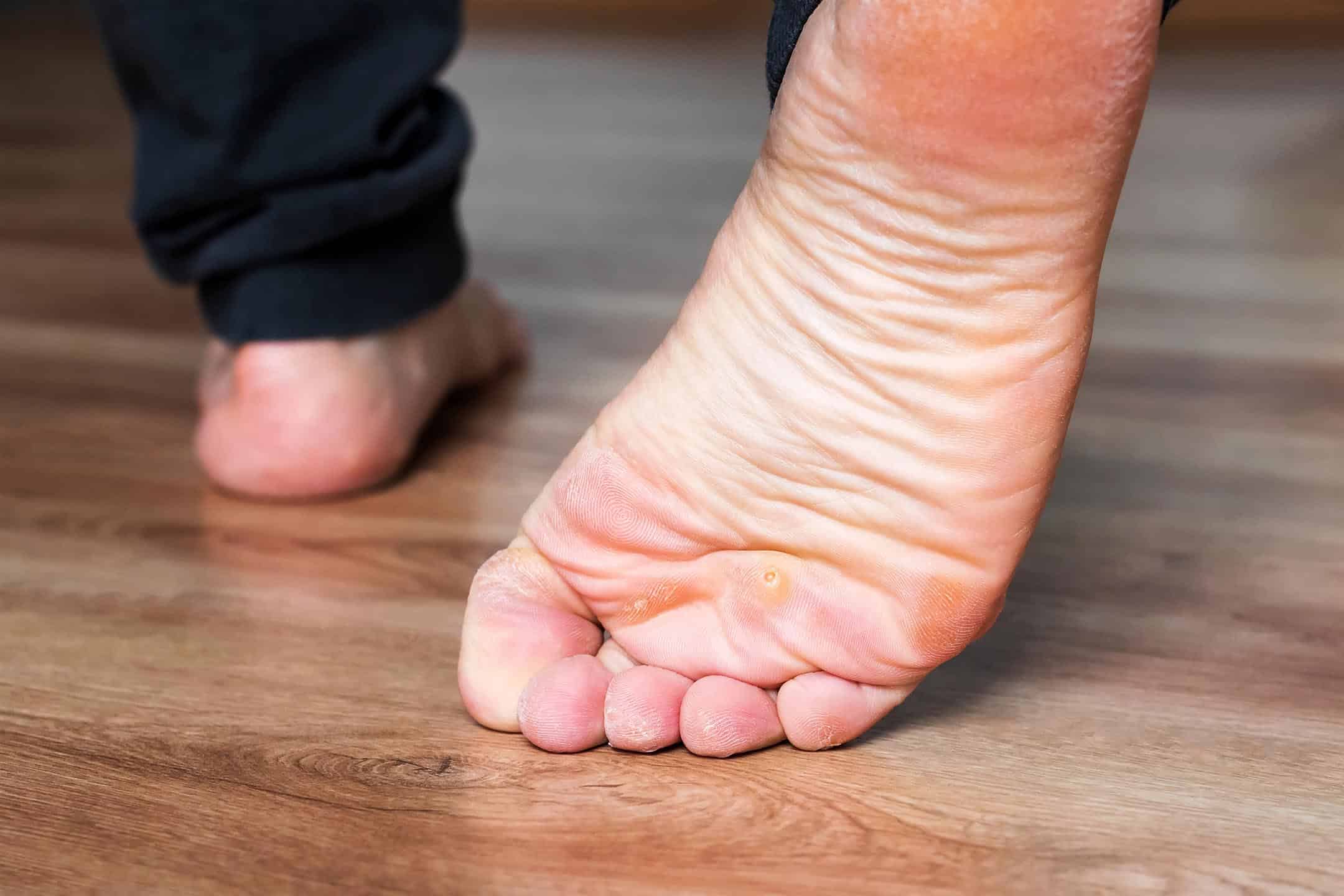
Treatment may be worth considering if the verruca is:
- Painful when standing, walking or running
- Persistent despite self-care
- Spreading or forming a cluster
- Affecting sport, work or daily activity
- Difficult to manage at home
- Returning after previous treatment
- Uncertain in appearance and needs checking
Some verrucas do not need active treatment. Stuart will explain whether monitoring, simple advice or clinician-led treatment may be suitable.
What happens at a verruca assessment?
Your appointment is designed to confirm whether the area looks like a verruca and to understand which treatment route may be appropriate.
A verruca appointment may include:
- Checking whether the lesion looks like a verruca
- Reducing overlying hard skin where appropriate
- Reviewing how long it has been there
- Explaining suitable treatment options
- Discussing pain, pressure and spread
- Giving advice to reduce spread
- Planning follow-up where needed
- Asking about previous treatments
- Checking the surrounding skin
This approach follows the approved verruca treatment guidance, which includes checking the lesion, reviewing symptoms and previous treatment, removing hard skin where appropriate, explaining options and giving advice to reduce spread.
Verruca treatment options
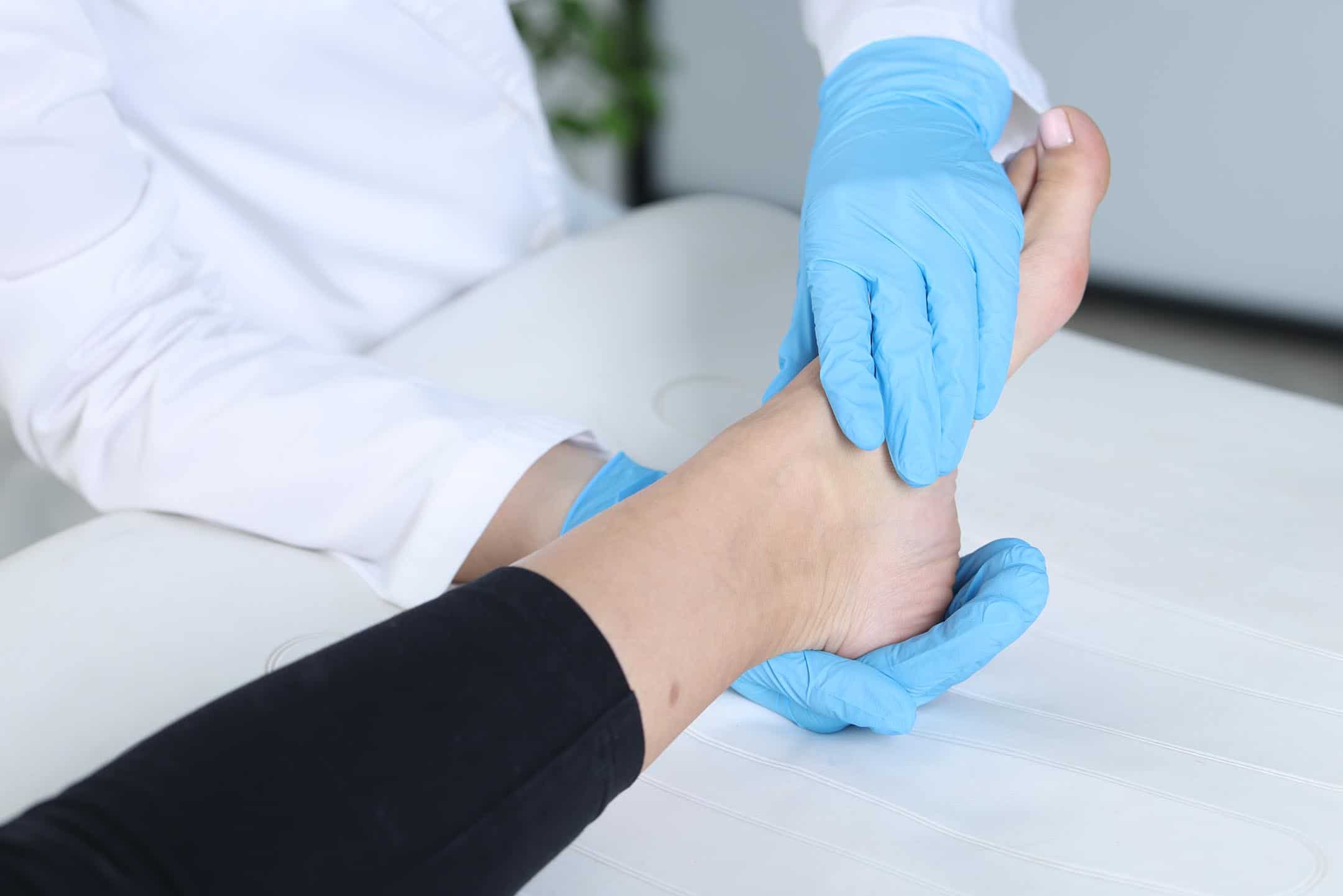
Evolution Podiatry offers three clinician-led options for verrucas:
A plan may include:
- Microwave Ablation / Swift for Verruca
- Cryotherapy for Verrucas
- Needling for Verrucas
- Salicyclic Acid Treatment
- No Treatment
No verruca treatment works for everyone. The most suitable option depends on the verruca, your symptoms, your health, previous treatment and how the skin responds.
Stuart will explain the benefits, limitations, likely aftercare and whether more than one appointment may be needed.
Microwave Ablation / Swift for Verruca
You do not need to decide this before booking. Many foot, nail and skin problems can look or feel similar. For example, a painful area of hard skin may need assessment before it is clear whether it is a verruca, corn or another skin concern. A nail that looks fungal may need testing before treatment is recommended.
Stuart will assess the problem first, explain what may be happening and discuss the options that are appropriate for your symptoms, health, lifestyle and goals. Treatment outcomes vary from person to person, and no treatment is suitable for everyone. You will have time to ask questions before deciding what feels right for you.
When might verruca treatment be helpful?
What is Swift verruca treatment?
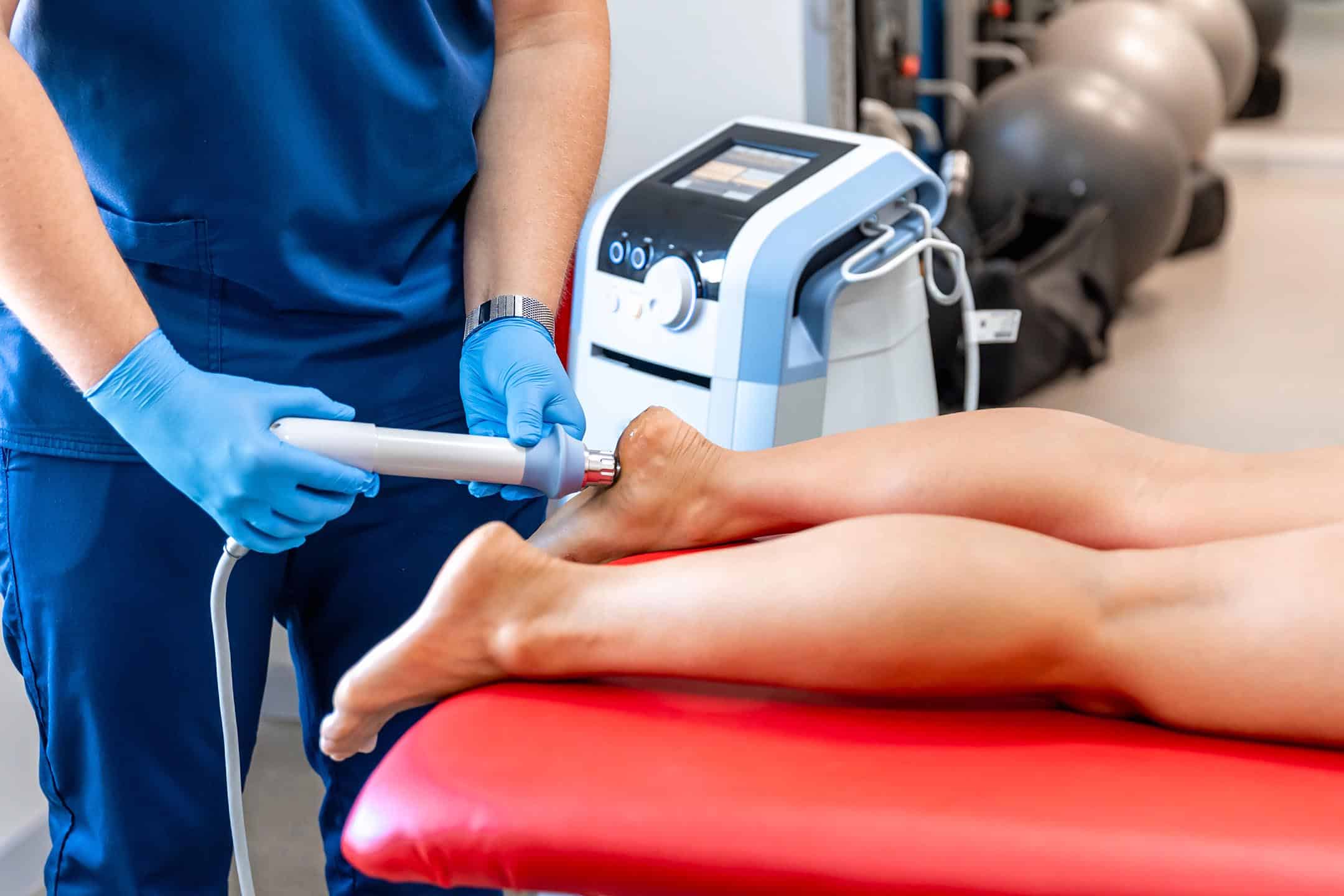
Swift is a clinician-led verruca treatment that uses controlled microwave energy applied to the verruca area.
It does not involve freezing or cutting the verruca. Instead, a brief dose of microwave energy is applied to the affected skin. The aim is to stimulate a local tissue response in the area.
Swift may be considered for selected verrucas, including persistent or difficult verrucas, but it is not suitable for everyone. Stuart will assess the lesion first and explain whether Swift may be appropriate.
Who may Swift be suitable for?
Swift may be considered if:
- Your verruca is persistent
- Previous treatment has not helped
- The verruca is painful under pressure
- You would prefer an option that does not involve freezing
- Stuart feels the verruca and your medical history make it suitable
Suitability depends on assessment. Swift may not be appropriate for every patient or every verruca. Please tell Stuart if you have:
- Diabetes
- Poor circulation
- Reduced sensation in your feet
- Immune system concerns
- A pacemaker or implanted electronic device
- Pregnancy
- Medication that may affect healing
- Any metal in your foot, i.e screws/plates etc
- Any uncertainty about the diagnosis
What happens during Swift treatment?
A Swift appointment may include:
- Assessment of the verruca
- Discussion of previous treatments
- Reduction of overlying hard skin where appropriate
- Application of Swift microwave treatment
- Aftercare advice
- Follow-up planning
Swift can be uncomfortable during application, although the application itself is brief. Stuart will explain what to expect before treatment begins.
Benefits and limitations of Swift
Swift may be useful for selected verrucas because it is clinician-led, does not involve freezing and does not involve cutting the verruca.
However, results vary from person to person. Swift does not guarantee clearance, and more than one appointment may be needed. Stuart will discuss this with you during your assessment.
Cryotherapy for Verrucas
What is cryotherapy?
Cryotherapy uses liquid nitrogen to freeze verruca tissue.
The aim is to damage the affected tissue so the body can clear it over time. It is one possible treatment option for verrucas and may be suitable for some patients, depending on the verruca, symptoms and medical history.
Who may cryotherapy be suitable for?
Cryotherapy may be considered if:
- The verruca is painful or persistent
- The lesion is suitable for freezing
- You have not responded to simple self-care
- Stuart feels freezing is appropriate after assessment
Cryotherapy may not be suitable for everyone. Please tell Stuart if you have:
- Diabetes
- Poor circulation
- Reduced sensation in your feet
- Immune system concerns
- Previous reactions to freezing treatments
- Concerns about pain tolerance
Suitability depends on your health, the verruca and assessment findings.
What happens during cryotherapy?
- A cryotherapy appointment may include:
- Verruca assessment
- Reducing hard skin where appropriate
- Applying liquid nitrogen to the verruca
- Dressing or padding advice if needed
- Aftercare guidance
- Follow-up planning
Cryotherapy can be uncomfortable during treatment and may cause soreness afterwards. Stuart will explain what to expect before treatment begins.
Benefits and limitations of cryotherapy
Cryotherapy may be useful for some verrucas because it targets the affected tissue directly.
It may require more than one appointment and does not work for everyone. The treated area may feel sore afterwards, and aftercare may be needed to protect the skin as it settles.
Needling for Verrucas
What is verruca needling?
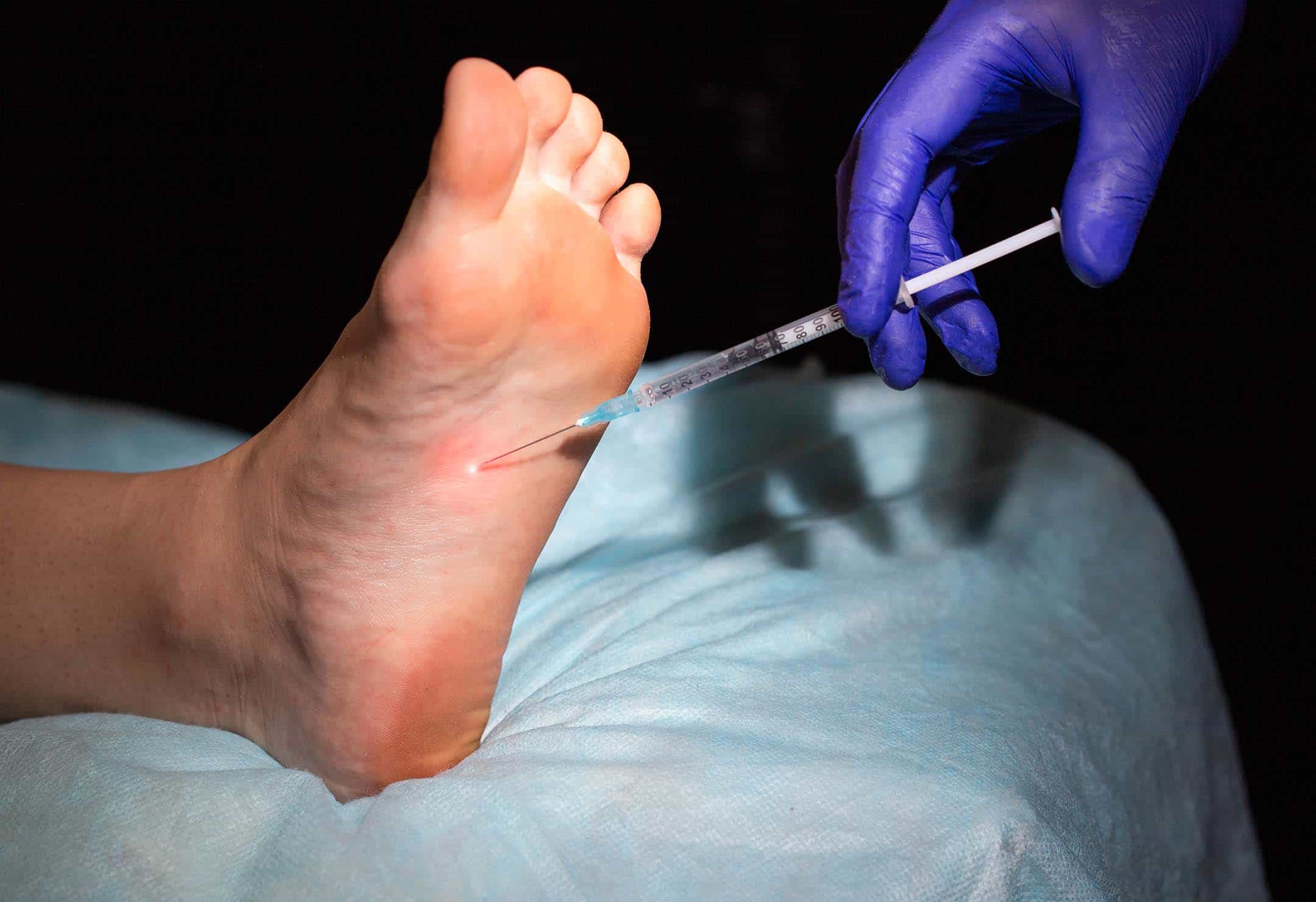
Verruca needling, also known as Falknor’s needling, is a clinician-led treatment for selected verrucas. It involves carefully puncturing the verruca under local anaesthetic.
The aim is to trigger a local healing and immune response in the affected area.
Needling is usually considered for selected persistent or difficult verrucas. It is not suitable for everyone, and Stuart will explain the procedure, aftercare and suitability before treatment is agreed.
Who may needling be suitable for?
Needling may be considered if:
- The verruca is persistent
- Other treatments have not helped
- The verruca is suitable for this type of treatment
- You are comfortable with a local anaesthetic procedure
- Stuart feels it is appropriate after assessment
Please tell Stuart if you have:
- Diabetes
- Poor circulation
- Reduced sensation in your feet
- Immune system concerns
- Needle anxiety
- Problems with wound healing
- Medication that affects bleeding or healing
Needling involves aftercare and may cause post-treatment soreness. Stuart will explain what to expect before you decide whether to proceed.
What happens during verruca needling?
A needling appointment may include:
- Verruca assessment
- Discussion of previous treatments
- Local anaesthetic where appropriate
- Controlled needling of the verruca
- Dressing
- Aftercare advice
- Follow-up review
Because local anaesthetic is usually used, Stuart will explain the process clearly before treatment begins. You will also be given aftercare guidance to help you look after the area afterwards.
Benefits and limitations of needling
Needling may be suitable for selected persistent verrucas, particularly where other options have not been appropriate or have not helped.
It is not a guaranteed solution. It may involve soreness afterwards, wound care and follow-up. Some people may not be suitable for needling because of their medical history, circulation, healing capacity or personal preference.
Stuart will only recommend needling where assessment suggests it may be suitable.
Which verruca treatment is right for me?
There is no single best verruca treatment for everyone.
Swift, cryotherapy and needling work in different ways, and each has its own suitability considerations. The right option depends on:
- Whether the lesion looks like a verruca
- How long it has been present
- Whether it is painful
- Whether it is spreading
- Previous treatments you have tried
- Your medical history
- Your skin health
- Your preference and tolerance
- Whether aftercare is practical for you
Stuart will assess the verruca first, explain your options and help you make an informed decision.
Aftercare and follow-up
Aftercare depends on the treatment used.
You may be given advice on:
- Keeping the area clean & protected
- Avoiding picking or scratching
- Managing soreness
- Covering the area in shared wet spaces
- Dressing or padding the area
- When to return for review
- Reducing pressure on the verruca
More than one appointment may be needed, depending on the treatment and how the verruca responds. This information is general guidance and does not replace a clinical assessment.
Advice to reduce spread
Verrucas can spread through close contact or contaminated surfaces, especially where skin is wet or damaged. Helpful steps include:
- Avoid picking or scratching the verruca
- Cover it in shared wet areas
- Keep feet clean and dry
- Avoid sharing towels, socks or footwear
- Wash hands after touching the area
- Wear flip-flops or sliders around communal changing areas
- Seek advice if the area is painful, spreading or changing
When to seek prompt medical advice
Please seek prompt advice if the area is rapidly changing, bleeding without clear cause, very painful, infected or does not look like a typical verruca.
Seek urgent medical help if you have spreading redness, fever, pus, a deep wound or signs of infection.
If you have diabetes and develop foot pain, a wound, skin colour change, swelling, warmth, redness or signs of infection, seek prompt medical advice.
Verruca treatment prices
- Swift Microwave Therapy£175
- Cryotherapy / Salicylic Acid£110
- Verrucae Needling£210
- Follow-up appointment£110
Meet Stuart Hodder
Stuart Hodder is a Specialist Podiatrist and the clinical lead at Evolution Podiatry. He works with patients experiencing foot, ankle and lower-limb pain, helping them understand what may be contributing to their symptoms and what the most suitable next step is.
His approach is calm, practical and personal. Patients see Stuart for clear explanations, careful assessment and treatment planning that is shaped around their symptoms, movement, footwear, activity level and goals.
Stuart has a particular interest in lower-limb function, biomechanics, gait analysis, sports and exercise injuries, child development and alignment concerns. This means he often looks beyond the painful area itself. His work involves assessing concerns such as heel pain, Achilles pain, shin splints, flat feet, sports injuries, gait problems, children’s foot concerns and orthotic needs.

- Specialist Podiatrist and a member of the Royal College of Podiatrists
- HCPC registered (CH14453)
- Experienced in NHS and private practice
- Strong interest in biomechanics and gait analysis
- Runner and cyclist with personal experience of injury and rehabilitation
- Registered and works with insurance medical providers
Verruca treatment FAQs
- What is verruca needling?
Needling involves carefully puncturing the verruca under local anaesthetic. The aim is to trigger a local healing and immune response.
- Is needling suitable for everyone?
No. Needling may not be suitable if you have certain medical conditions, healing concerns, reduced sensation, poor circulation or needle anxiety. Stuart will discuss this with you.
- Will I need more than one appointment?
Possibly. Some verruca treatments need follow-up or more than one appointment. This will be explained during your assessment.
- Are results guaranteed?
No. Treatment outcomes vary depending on the verruca, previous treatment, your health and how your body responds.
- Can I use insurance?
That depends on your policy, insurer and the treatment. Please check your cover and obtain any required authorisation before your appointment.
- Do verrucas always need treatment?
No. Some verrucas clear on their own. Treatment may be useful if a verruca is painful, spreading, persistent or affecting walking.
- Which verruca treatment is best?
There is no single best treatment for everyone. Stuart will assess the verruca, discuss previous treatments and explain which option may be suitable.
- What is Swift treatment?
Swift uses controlled microwave energy applied to the verruca area. It is a clinician-led treatment that may be considered for selected verrucas.
- Does Swift hurt?
Swift can be uncomfortable during application, but the treatment is brief. Stuart will explain what to expect before treatment begins.
- What is cryotherapy for verrucas?
Cryotherapy freezes the verruca tissue using liquid nitrogen. It may be suitable for some verrucas, depending on assessment.
- Is cryotherapy uncomfortable?
Cryotherapy can be uncomfortable and may cause soreness afterwards. Stuart will explain aftercare and what to expect before treatment begins.
Podiatry clinics in London and Surrey
Evolution Podiatry provides specialist foot, ankle and lower-limb care across London and Surrey. Choose the clinic that is most convenient for you, then book an appointment or speak to the clinic if you are unsure which location or appointment type is most suitable.
Notting Hill, W10
Specialist Podiatry care at The Portobello Clinic in Notting Hill for patients across West London.Wimbledon, SW19
Foot and lower-limb assessment at the Legs for Life Clinic in Nuffield Health Parkside Hospital for patients across South West London.Woking, GU21
Podiatry appointments at Nuffield Health Woking Hospital for over 18 year olds across Surrey.
Book a verruca assessment
If a verruca is painful, persistent, spreading or affecting how you walk, an assessment can help clarify what it is and which treatment options may be suitable.
Stuart will assess the area, explain the findings and discuss Swift, cryotherapy or needling where appropriate.