Plantar Fasciitis Treatment in London and Surrey
What is plantar fasciitis?
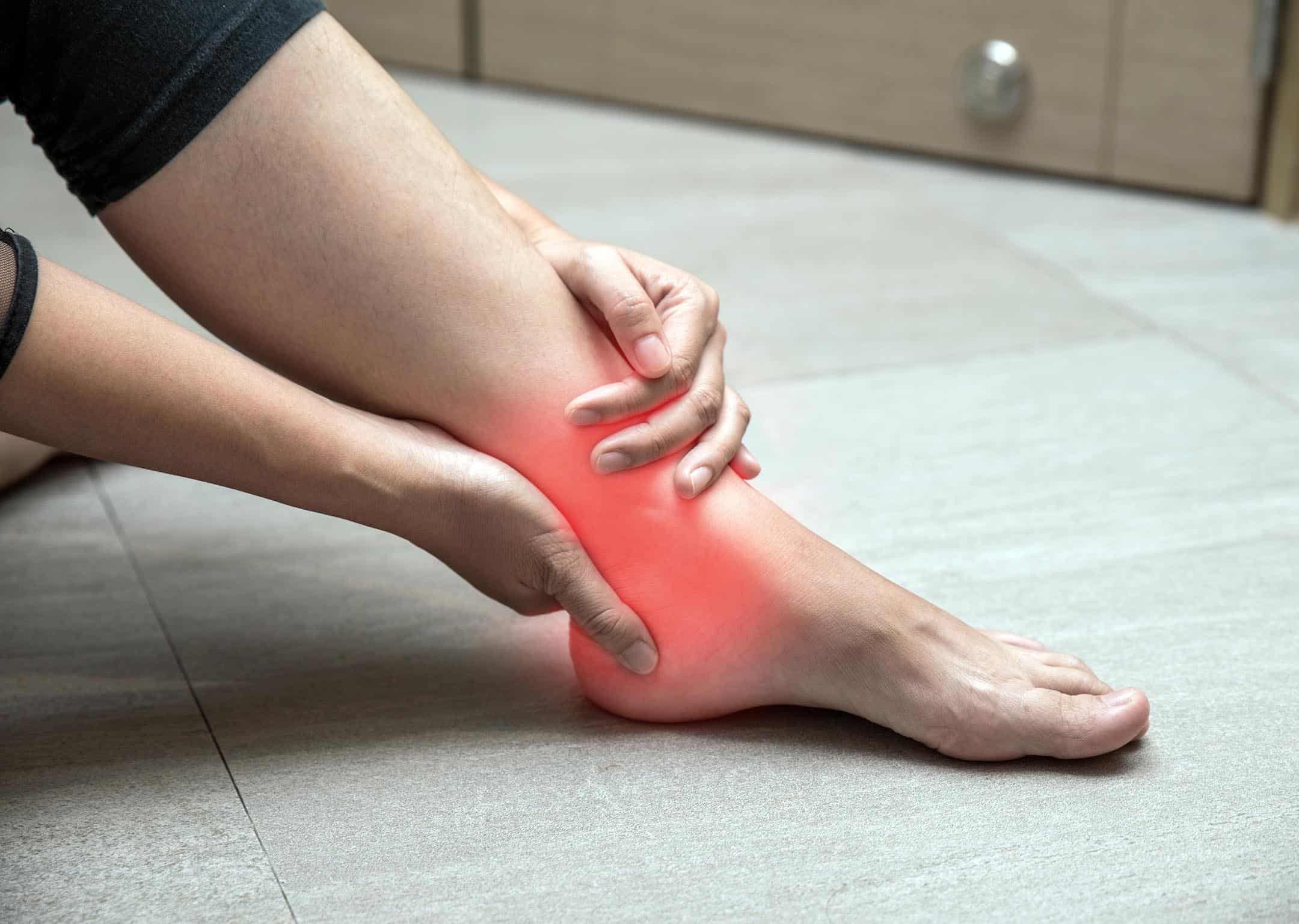
Plantar fasciitis involves irritation or strain of the plantar fascia.
The plantar fascia is a strong band of tissue that runs along the sole of your foot, from the heel towards the toes. It helps support the arch and plays a role in how your foot loads when you stand, walk or run.
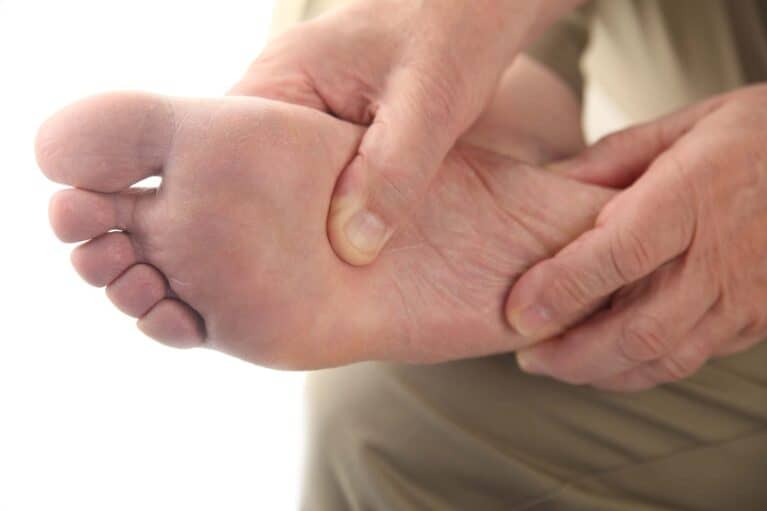
When this tissue becomes irritated, it can cause pain under the heel or through the arch. Some people describe it as a sharp pain when they first stand up, while others notice a dull ache that builds with activity.
Plantar fasciitis can be frustrating, especially when it keeps returning. The painful area is important, but it is not always the full story. Assessment can help identify whether your symptoms may be linked to foot loading, calf flexibility, footwear, training changes or other contributing factors.
Common symptoms of plantar fasciitis
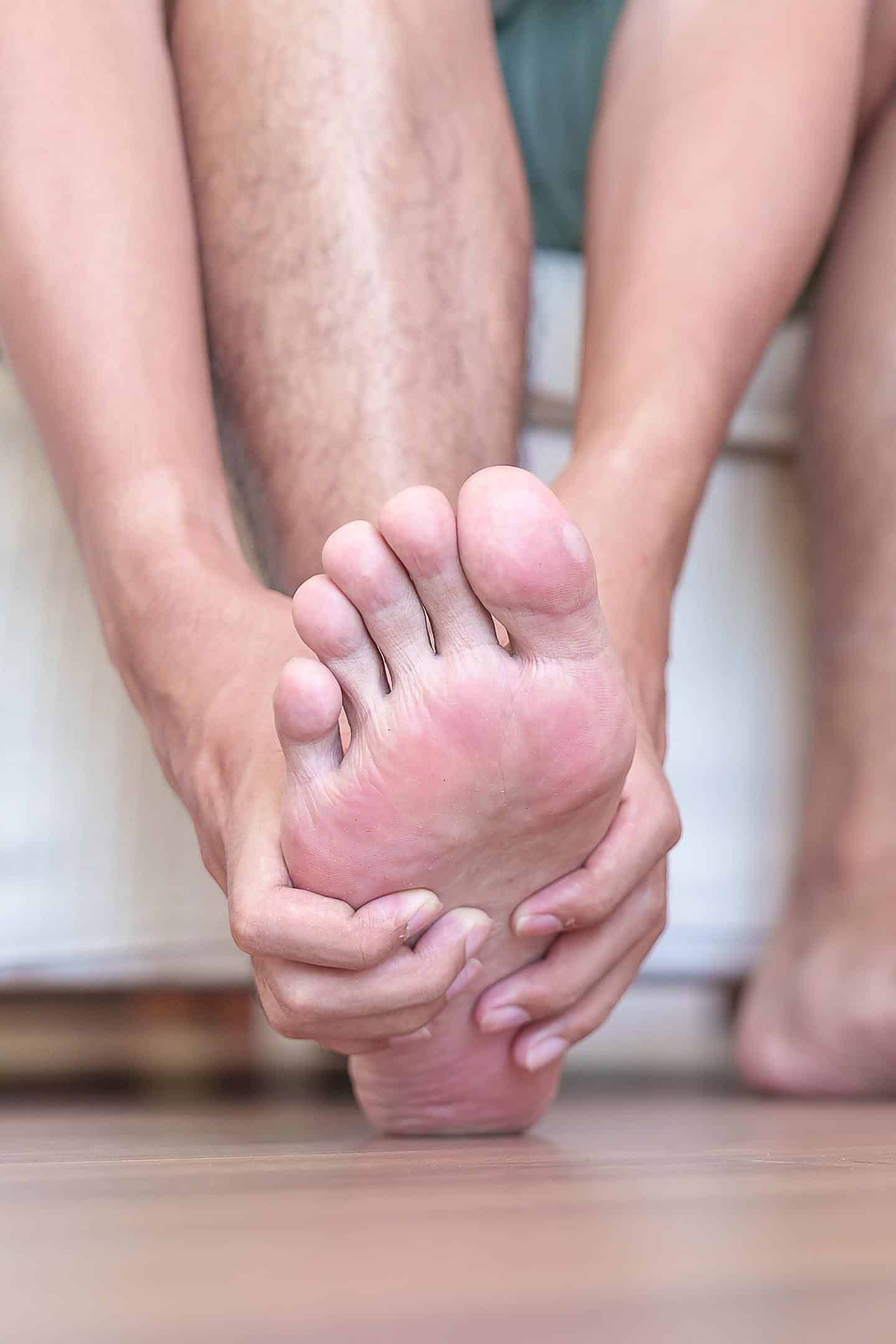
Plantar fasciitis symptoms can vary from person to person. You may notice:
- Pain under the heel
- Pain through the arch of the foot
- First-step pain in the morning
- Pain when standing after rest
- Heel pain after longer periods of walking or standing
- Pain during or after running
- Tenderness under the heel
- Symptoms that ease as you move, then return later
Pain that is worse when first walking after sleep or rest is commonly associated with plantar fasciitis, and symptoms may also worsen after prolonged standing, walking or running . You do not need to be certain that you have plantar fasciitis before booking. Several conditions can cause heel pain, so assessment helps clarify what may be happening.
What can contribute to plantar fasciitis?
Plantar fasciitis is often linked to how the foot is loading.
This means how pressure and force pass through the heel, arch, foot and lower limb during activity. Sometimes symptoms appear after a clear change. In other cases, the irritation builds gradually over time.
Possible contributing factors include:
- A recent increase in walking, running or standing
- Footwear with limited cushioning or support
- Training changes, including distance, speed or surface
- Foot posture and loading patterns
- Changes in strength or flexibility
- Standing for long periods at work
- Increased body weight
- Hard surfaces
- Previous foot, ankle or lower-limb injury
- Tight calf or heel structures
The approved condition guidance lists activity changes, hard surfaces, tight calf or heel structures, footwear, foot posture, loading patterns and increased body weight as possible factors linked to plantar fasciitis .


When should you get plantar fasciitis assessed?
It is sensible to book an assessment if heel or arch pain is affecting how you move, work or exercise.
Assessment may be helpful if:
- Pain is affecting walking, running or daily activity
- You are considering insoles or orthoses
- Symptoms keep coming back
- You have changed footwear, activity or training but pain continues
- Pain has not improved with sensible self-care
- You have diabetes and foot pain
- Symptoms are getting worse
- You have tingling, numbness or altered sensation
- You are unsure whether the pain is plantar fasciitis or another heel problem
Please seek urgent medical help if you have severe pain after an injury, cannot walk, notice sudden deformity, have spreading redness, fever, pus, a deep wound or signs of infection.
How Stuart assesses plantar fasciitis
Your appointment is designed to understand your symptoms and the factors that may be contributing to them.
Stuart may assess:
- Where your pain is located
- Calf flexibility
- When symptoms started
- Foot posture
- What makes the pain better or worse
- Walking or running gait where appropriate
- Foot and ankle movement
- Footwear and work shoes
- Tenderness under the heel or arch
- Training, sport or activity demands
Gait analysis may be recommended if the way you walk or run appears relevant to your symptoms. A biomechanical assessment may also help if pain is recurring, linked to activity or affected by how your foot and lower limb are loading.
Stuart will explain the findings clearly, so you understand what may be contributing to your plantar fasciitis and what options may be suitable.
Plantar fasciitis treatment options
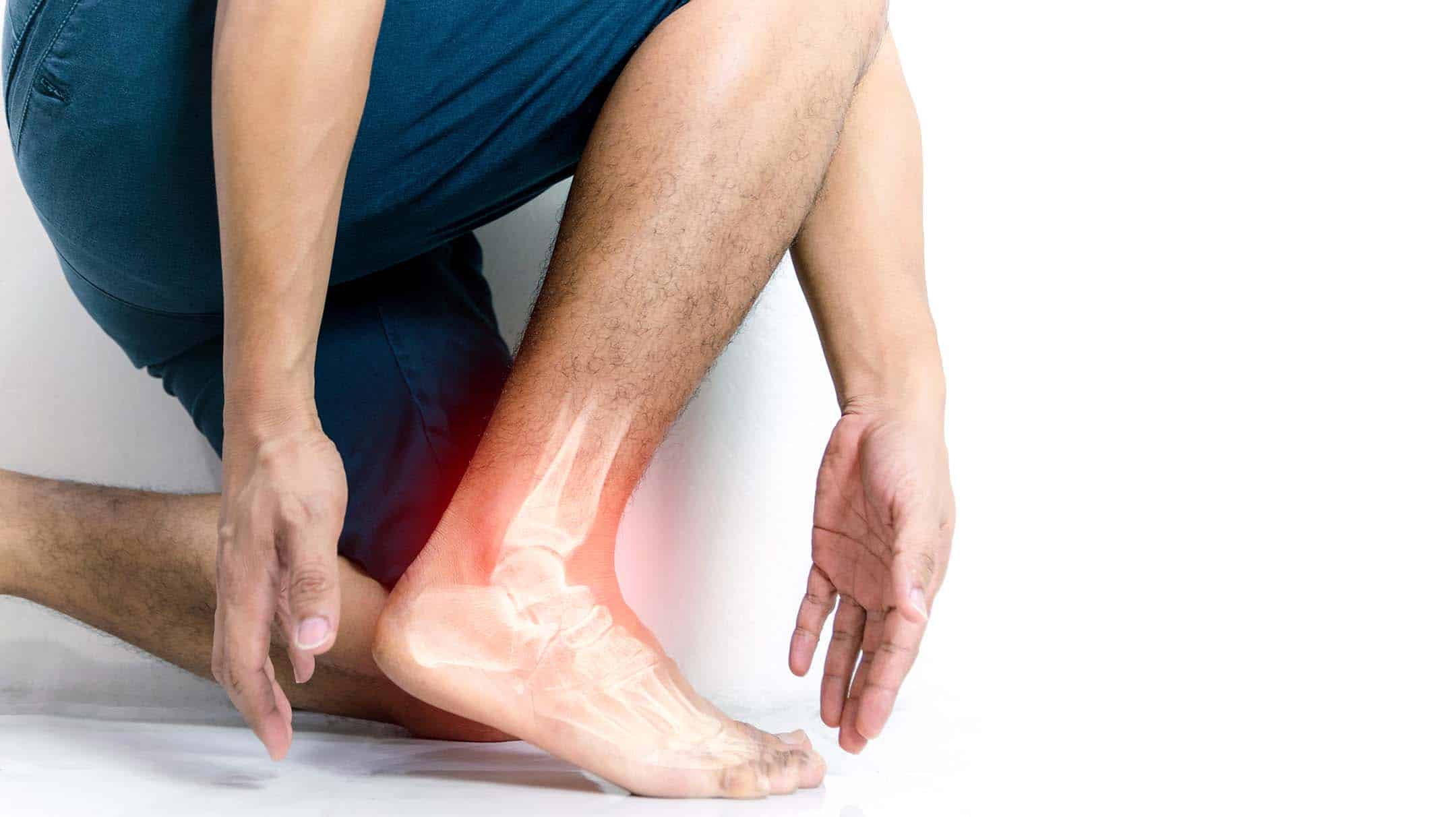
Treatment depends on your symptoms, assessment findings, activity level and goals.
A plan may include:
- Footwear advice
- Load management
- Activity modification
- Stretching guidance
- Strengthening advice
- Gait or movement guidance
- Biomechanical assessment where appropriate
- Foot orthoses where suitable
- Referral or onward care if needed
Orthoses are not needed for everyone. If Stuart thinks they may help support your foot function, loading or comfort, he will explain why and talk through the options.
Treatment suitability depends on your symptoms, health, medical history and assessment findings. Stuart will explain the options before treatment begins, in line with the approved treatment suitability wording.
Plantar fasciitis and running
Runners often notice plantar fasciitis after a change in training load.
This may include increasing mileage, adding hills, changing pace, switching shoes, running on harder surfaces or returning after time away. The heel or arch may feel painful during the first steps in the morning, then become more noticeable again after a run or later in the day.
Stuart is a runner himself, so he understands how frustrating it can be when heel pain disrupts training. Your assessment may look at your running history, footwear, gait, calf function, recovery and how load is being managed.
The aim is to help you understand what may be driving your symptoms and guide a practical plan for returning to activity where possible.
Podiatry clinics in London and Surrey
Evolution Podiatry provides specialist foot, ankle and lower-limb care across London and Surrey. Choose the clinic that is most convenient for you, then book an appointment or speak to the clinic if you are unsure which location or appointment type is most suitable.
Notting Hill, W10
Specialist Podiatry care at The Portobello Clinic in Notting Hill for patients across West London.Wimbledon, SW19
Foot and lower-limb assessment at the Legs for Life Clinic in Nuffield Health Parkside Hospital for patients across South West London.Woking, GU21
Podiatry appointments at Nuffield Health Woking Hospital for over 18 year olds across Surrey.
Meet Stuart Hodder
Stuart Hodder is a Specialist Podiatrist and the clinical lead at Evolution Podiatry. He works with patients experiencing foot, ankle and lower-limb pain, helping them understand what may be contributing to their symptoms and what the most suitable next step is.
His approach is calm, practical and personal. Patients see Stuart for clear explanations, careful assessment and treatment planning that is shaped around their symptoms, movement, footwear, activity level and goals.
Stuart has a particular interest in lower-limb function, biomechanics, gait analysis, sports and exercise injuries, child development and alignment concerns. This means he often looks beyond the painful area itself. His work involves assessing concerns such as heel pain, Achilles pain, shin splints, flat feet, sports injuries, gait problems, children’s foot concerns and orthotic needs.

- Specialist Podiatrist and a member of the Royal College of Podiatrists
- HCPC registered (CH14453)
- Experienced in NHS and private practice
- Strong interest in biomechanics and gait analysis
- Runner and cyclist with personal experience of injury and rehabilitation
- Registered and works with insurance medical providers
Plantar Fasciitis FAQs
- Can I keep running with plantar fasciitis?
That depends on your symptoms and assessment findings. If running is making pain worse, it may be sensible to reduce or modify activity until you have been assessed.
- What shoes should I wear for plantar fasciitis?
Supportive, comfortable footwear may help some people in the short term. The right choice depends on your foot, symptoms and activity, so Stuart can review your footwear during your assessment.
- How long does plantar fasciitis take to improve?
Recovery varies from person to person. It depends on the severity of symptoms, contributing factors, activity levels and how your body responds to treatment.
- When should I seek urgent help for heel pain?
Seek urgent medical help if you have severe pain after an injury, cannot walk, notice sudden deformity, have spreading redness, fever, pus, a deep wound or signs of infection.
- Do I definitely have plantar fasciitis if my heel hurts in the morning?
Not necessarily. Morning heel pain is commonly linked to plantar fasciitis, but heel pain can have several causes. Assessment can help clarify what may be contributing to your symptoms.
- Can plantar fasciitis affect the arch as well as the heel?
Yes. Plantar fasciitis can cause pain under the heel, through the arch or along the sole of the foot. The exact location and pattern of pain can help guide assessment.
- Will I need gait analysis?
Not always. Gait analysis may be useful if your pain is linked to walking, running or recurring symptoms. Stuart will explain whether it is appropriate for you.
- Will I need orthoses?
Not everyone needs orthoses. They may be discussed if your assessment suggests they could help support foot function, loading or comfort.
Insights
Helpful, plain English articles about foot pain, sports injuries, gait, children’s foot health and treatment options.
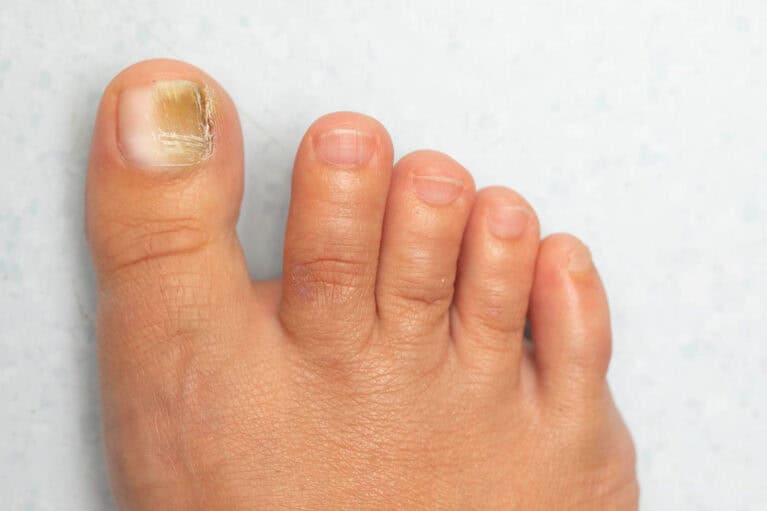
Fungal Nail Infections: Does Laser Treatment Actually Work?

Flat Feet in Children: When Should You Worry?
Morton’s Neuroma: Why Your Forefoot Burns

Shin Splints: Causes, Treatment & Return to Running
Book a plantar fasciitis assessment
If heel or arch pain is affecting how you walk, run or stand, book an assessment with Stuart to understand what may be driving your symptoms.
Your appointment will help clarify the possible contributing factors and guide the most suitable next steps for your foot, activity and goals.