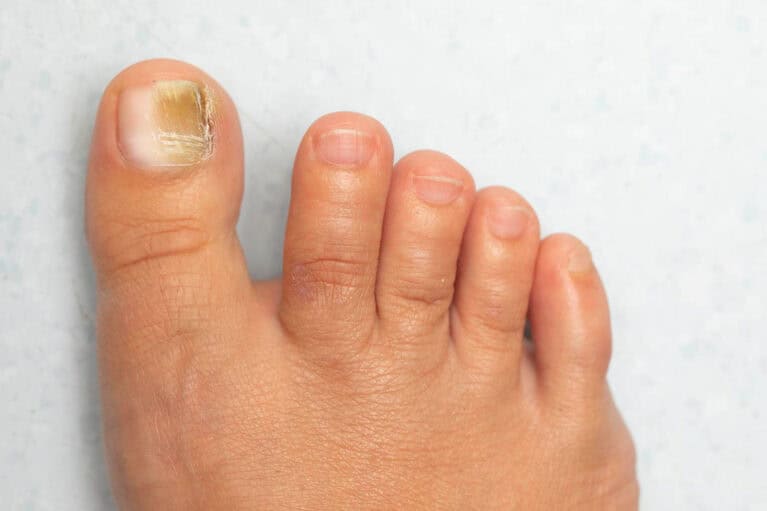

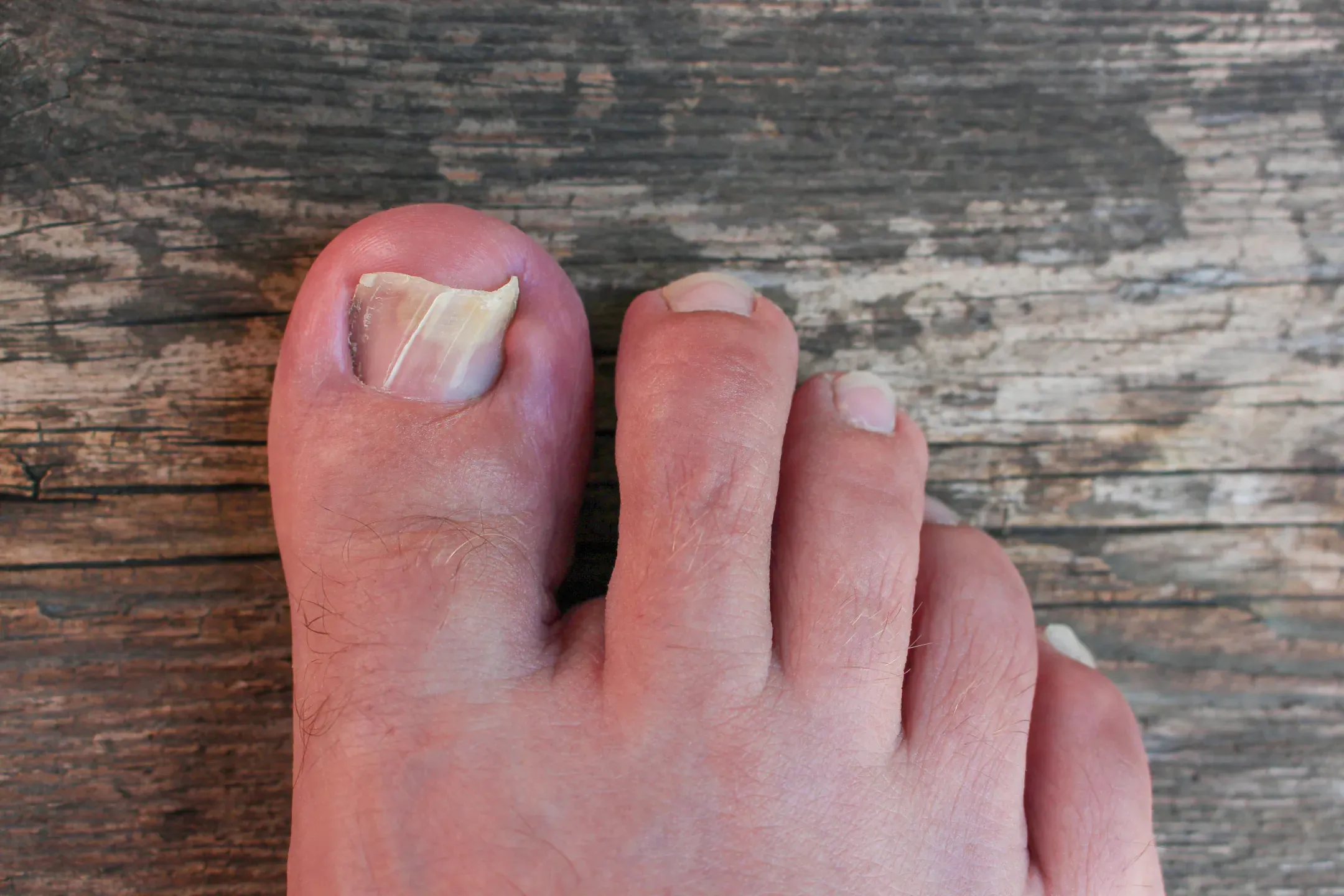
An ingrown toenail can make shoes, walking and everyday activity surprisingly uncomfortable. It happens when the edge of the nail presses into, or pierces, the skin beside it. The area may become tender, red and swollen, and sometimes it can become infected.
Mild symptoms may settle with careful home care. However, recurring, painful or infected ingrown toenails need professional assessment. The right next step depends on the severity of the problem, whether the nail keeps growing into the skin and your general health.
This guide explains safe ingrown toenail home care, when to stop self-treating and what nail surgery may involve.
What causes ingrown toenails?
Ingrown toenails most often affect the big toe, although any toenail can be involved. They can develop when a sharp nail edge presses into the surrounding skin or when the nail curves more strongly at the sides.
Common contributing factors include:
- Cutting toenails too short
- Rounding or cutting deeply down the sides of the nail
- Tight, narrow or poorly fitting footwear
- Repeated pressure on the toe during sport or work
- Stubbing the toe or other nail trauma
- Naturally curved or thickened nails
- Feet that are often warm or sweaty, which can soften the skin around the nail
An ingrown toenail is not always caused by nail cutting alone. Nail shape, footwear and repeated pressure can all play a part, so an assessment can help clarify what may be driving recurring symptoms.
How to treat an ingrown toenail at home safely
If the toe is only mildly sore, with no discharge or spreading redness, simple measures may help reduce irritation while the nail grows forward.
Safe home-care steps
1. Soak the foot in warm salty water
A short soak may soften the skin around the nail and help keep the area clean. Dry the toe carefully afterwards.
2. Wear footwear with plenty of room around the toes
Wide, comfortable shoes or sandals can reduce pressure on the painful nail edge. Avoid narrow, pointed or tight shoes while the toe is sore.
3. Keep the toe clean and dry
If the skin is broken or weeping, protect it with a clean, dry dressing and change it regularly.
4. Use simple pain relief only if suitable for you
Some people may use over-the-counter pain relief such as paracetamol or ibuprofen. Check the label and speak to a pharmacist if you are unsure whether a medicine is appropriate for you.
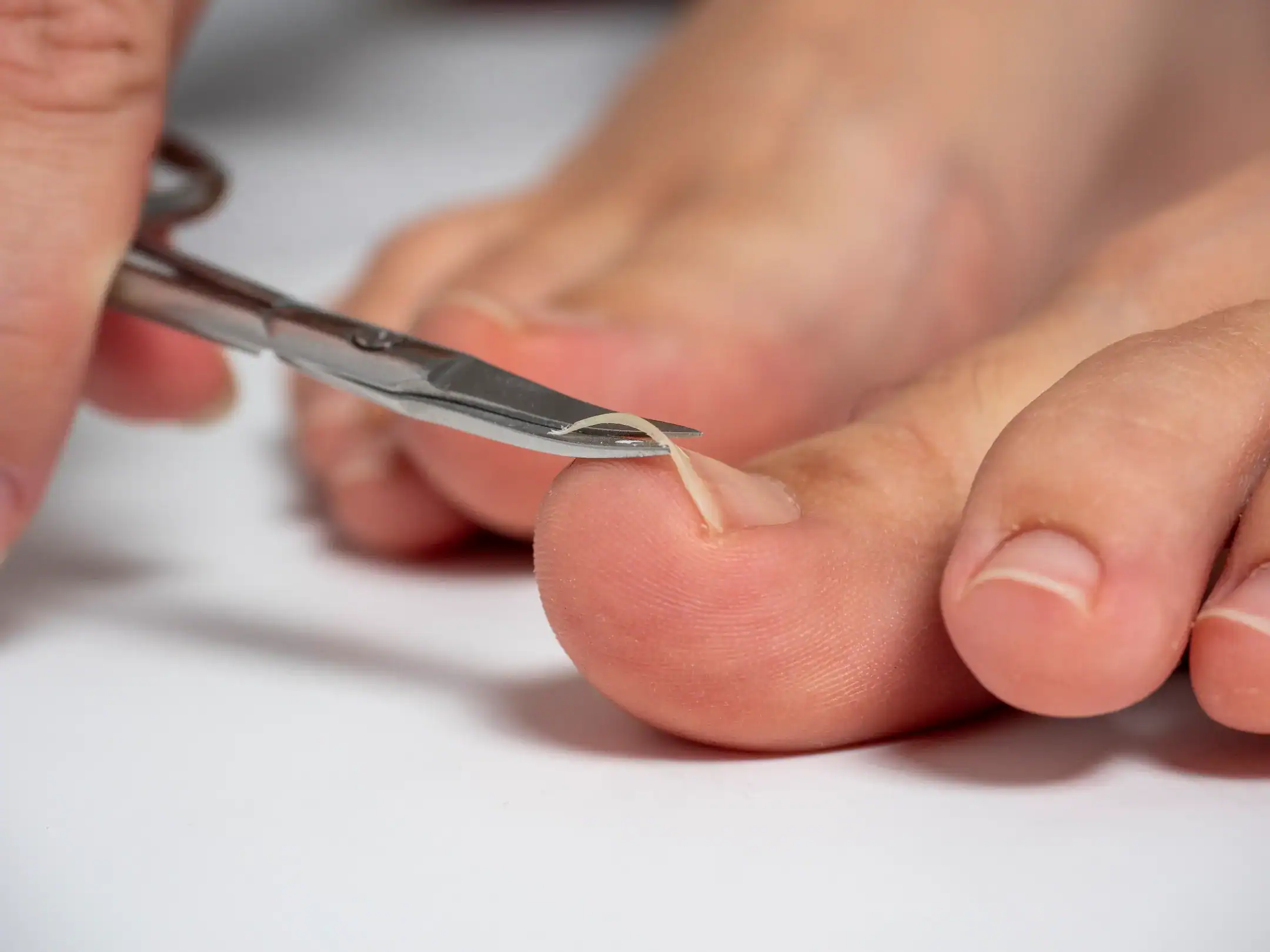
Avoid trying to carry out “bathroom surgery”. Do not dig under the nail, cut a V-shape into it, cut deeply down the sides or try to remove the nail corner yourself. Picking and cutting can damage the skin, leave a sharp nail spike behind and increase irritation or infection risk.
It is also sensible to avoid forcing cotton wool, floss or other items beneath a painful nail. If the toe is too tender to touch, or the nail edge has broken the skin, professional care is usually a safer next step.
How do you know if an ingrown toenail is infected?
An ingrown toenail can become infected when bacteria enter through broken skin. Signs that need prompt attention include:
- Increasing redness or warmth around the toe
- Swelling that is worsening rather than settling
- Pus or other discharge
- Bleeding or weeping skin
- Throbbing pain that is making footwear or walking difficult
- Feeling feverish, hot, cold or shivery
Seek medical help if you have severe pain after an injury, cannot walk, notice sudden deformity, have spreading redness, fever, pus, a deep wound or signs of infection.
If you have diabetes and develop foot pain, a wound, skin colour change, swelling, warmth, redness or signs of infection, seek prompt medical advice. People with poor circulation, reduced sensation, immune system concerns or medicines that may affect healing should also seek clinical advice rather than trying to manage an ingrown toenail themselves.
When should you see a podiatrist for an ingrown toenail?
Home care is not always enough, particularly when the nail repeatedly catches the skin or the toe has become very painful.
Book an assessment if your ingrown toenail is:
- Painful, swollen or red
- Bleeding, weeping or producing discharge
- Affecting your walking, exercise or choice of shoes
- Returning in the same place
- Not improving with sensible home care
- Causing a build-up of soft, raised tissue around the nail edge
- Difficult to manage because the nail is thick, curved or damaged
Stuart Hodder can assess the nail, the surrounding skin and factors such as nail shape, footwear and repeated pressure. Simple treatment may be enough for some nails. For persistent or recurrent problems, he can explain whether ingrown toenail treatment and nail surgery may be suitable.
Does an ingrown toenail need surgery?
No. Not every ingrown toenail needs nail surgery.
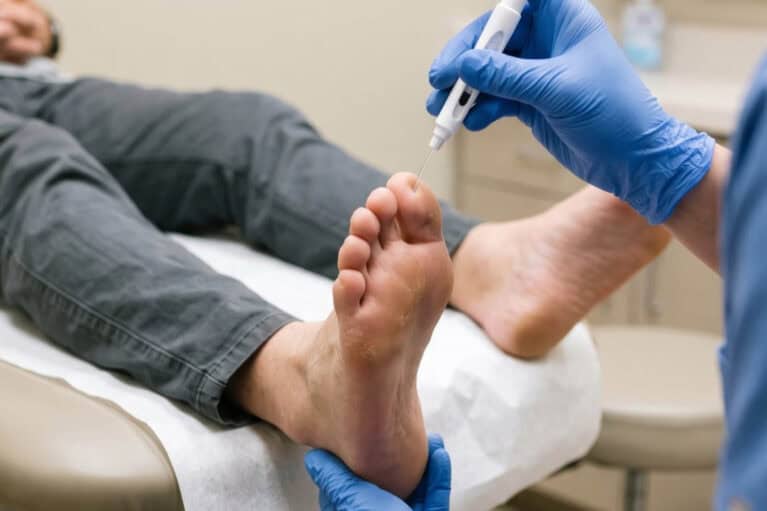
For a straightforward nail edge that is irritating the skin, a podiatrist may be able to remove the offending nail spike, reduce the sharp edge and dress the toe. This can be appropriate where the issue is recent or limited to a small section of nail.
Nail surgery may be discussed when the problem is severe, keeps returning, does not settle with simpler care or is linked to a nail shape that continues to press into the skin. It is not something to self-select from a menu. Your assessment, medical history, activity level and the condition of the toe will guide the recommendation.
What does ingrown toenail surgery involve?
The most common procedure for a recurring ingrown toenail is called a partial nail avulsion. This means removing the narrow section of nail that is causing the problem, rather than automatically removing the whole nail.
The toe is normally numbed with a local anaesthetic before the procedure. Depending on the clinical plan, treatment may also be used on the nail-growing area to reduce the chance of the removed section growing back. This leaves the nail permanently narrower if that approach is recommended.
Before treatment, Stuart will explain:
- Why surgery is or is not being considered
- What part of the nail may be removed
- What you can expect on the day
- Dressing and aftercare arrangements
- Potential risks and limitations
- Whether further appointments may be needed
Nail surgery is a minor procedure, but it still involves healing. The toe may feel sore once the anaesthetic wears off and there can be some bleeding, discharge or tenderness during recovery. Infection, delayed healing, nail regrowth and reactions to local anaesthetic are potential risks, although individual risk varies.
Treatment recommendations depend on your symptoms, health, activity level and assessment findings. Stuart will explain whether this option is suitable for you before treatment begins.
How can you help prevent ingrown toenails from coming back?
Prevention is not always possible, particularly where nail shape is a factor, but a few practical habits may reduce repeat irritation:
- Cut nails straight across rather than rounding into the corners
- Avoid cutting nails very short
- File rough or sharp edges rather than digging into the sides
- Choose footwear with enough width and depth around the toes
- Replace shoes that repeatedly press on the nail edge
- Seek advice early if the same corner starts becoming tender again
If a nail keeps becoming ingrown despite careful cutting and footwear changes, it is worth having it assessed rather than repeatedly trying to cut it back at home.
Get a painful or recurring ingrown toenail assessed
A sore toenail can quickly become difficult to manage when it catches on socks, presses in shoes or starts affecting the way you walk. Stuart Hodder is a Specialist Podiatrist and clinical lead at Evolution Podiatry. He can help you understand what may be driving the problem and guide you through suitable next steps.
Appointments are available in Portobello and Notting Hill, Wimbledon and Woking, Surrey. To discuss treatment options or arrange an assessment, visit Contact Evolution Podiatry.
You can also view ingrown toenail treatment and nail surgery information, or see the clinic’s pricing information.
This information is general guidance and does not replace a clinical assessment. If your symptoms are severe, worsening or you are concerned, please seek appropriate medical advice.
FAQs
- Can I cut out an ingrown toenail myself?
It is best not to. Cutting or digging into the side of the nail can leave a sharp edge, damage the skin and increase the chance of irritation or infection. If the nail is painful, embedded or repeatedly ingrowing, arrange a podiatry assessment.
- How long should I try home care for an ingrown toenail?
There is no fixed timescale that suits every situation. Seek advice sooner if pain is worsening, the toe is swollen, there is discharge or home care is not helping. Recurrent symptoms also merit assessment.
- Will antibiotics fix an infected ingrown toenail?
Antibiotics may sometimes be needed for infection, but they do not always address the piece of nail continuing to irritate the skin. A clinician can assess whether the nail edge also needs treatment.
- Is partial nail avulsion painful?
A local anaesthetic is used to numb the toe before the procedure. You may feel the injection and the toe can feel sore after the anaesthetic wears off. Stuart will explain what to expect and the aftercare needed before treatment begins. (rcpod.org.uk)
- Can an ingrown toenail return after nail surgery?
It can. Nail surgery may reduce the likelihood of recurrence for suitable cases, but no treatment can guarantee that an ingrown toenail will never return. Results vary from person to person.