Biomechanical Assessment
Who is a biomechanical assessment for?
A biomechanical assessment may be useful if you have pain, discomfort or movement concerns that keep returning or have not settled as expected. It can be helpful for:
- Ongoing foot or ankle pain
- Heel pain or plantar fasciitis
- Achilles pain or tightness
- Shin splints or lower-leg pain
- Forefoot pain
- Flat feet or high arches
- Bunions or pressure-related foot pain
- Knee, hip or lower-back symptoms that may be linked to foot function
- Recurring running or sports injuries
- Walking pattern concerns
- Footwear-related pain
- Orthoses advice
Pain is not always caused by the painful area alone. A biomechanical assessment can help Stuart understand whether loading, alignment, movement patterns or footwear may be placing extra strain on your foot or lower limb.
What does biomechanics mean?
Biomechanics simply means how your body moves and loads.
Every time you walk, run, climb stairs or stand, your feet and legs manage force. If your foot is loading unevenly, your ankle is restricted, your calf is tight or your walking pattern has changed, other areas may have to work harder. A biomechanics assessment helps connect these findings to your symptoms, so your treatment plan is based on how you actually move rather than just where it hurts.
What happens during a biomechanical assessment?
Your appointment is personalised to your symptoms, activity level and goals. Stuart will talk through what you have already tried and what you need your feet or legs to cope with day to day.
Your appointment is personalised to your symptoms, activity level and goals. Stuart will talk through what you have already tried and what you need your feet or legs to cope with day to day.
A biomechanical assessment may include:
- A discussion about your symptoms and medical history
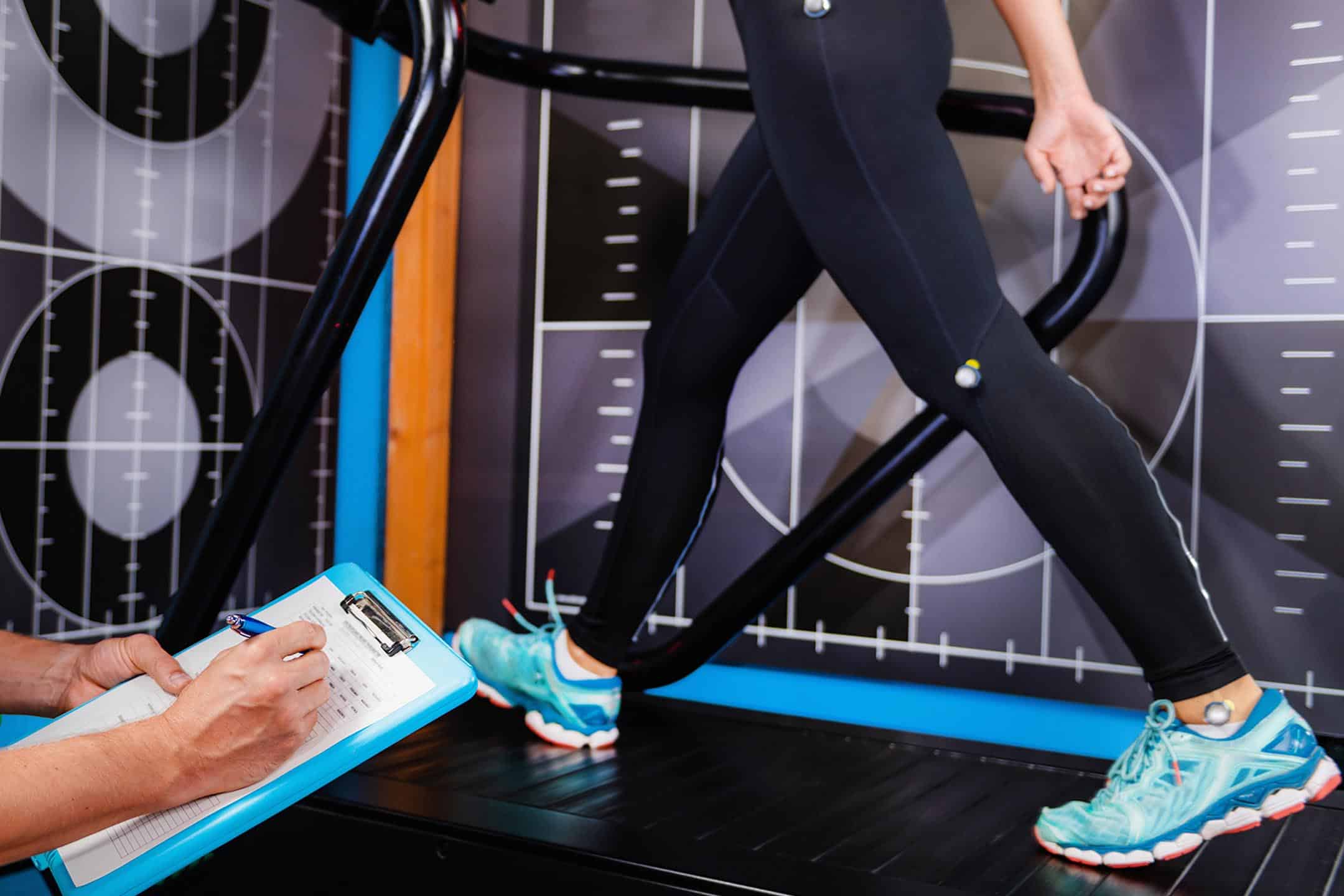
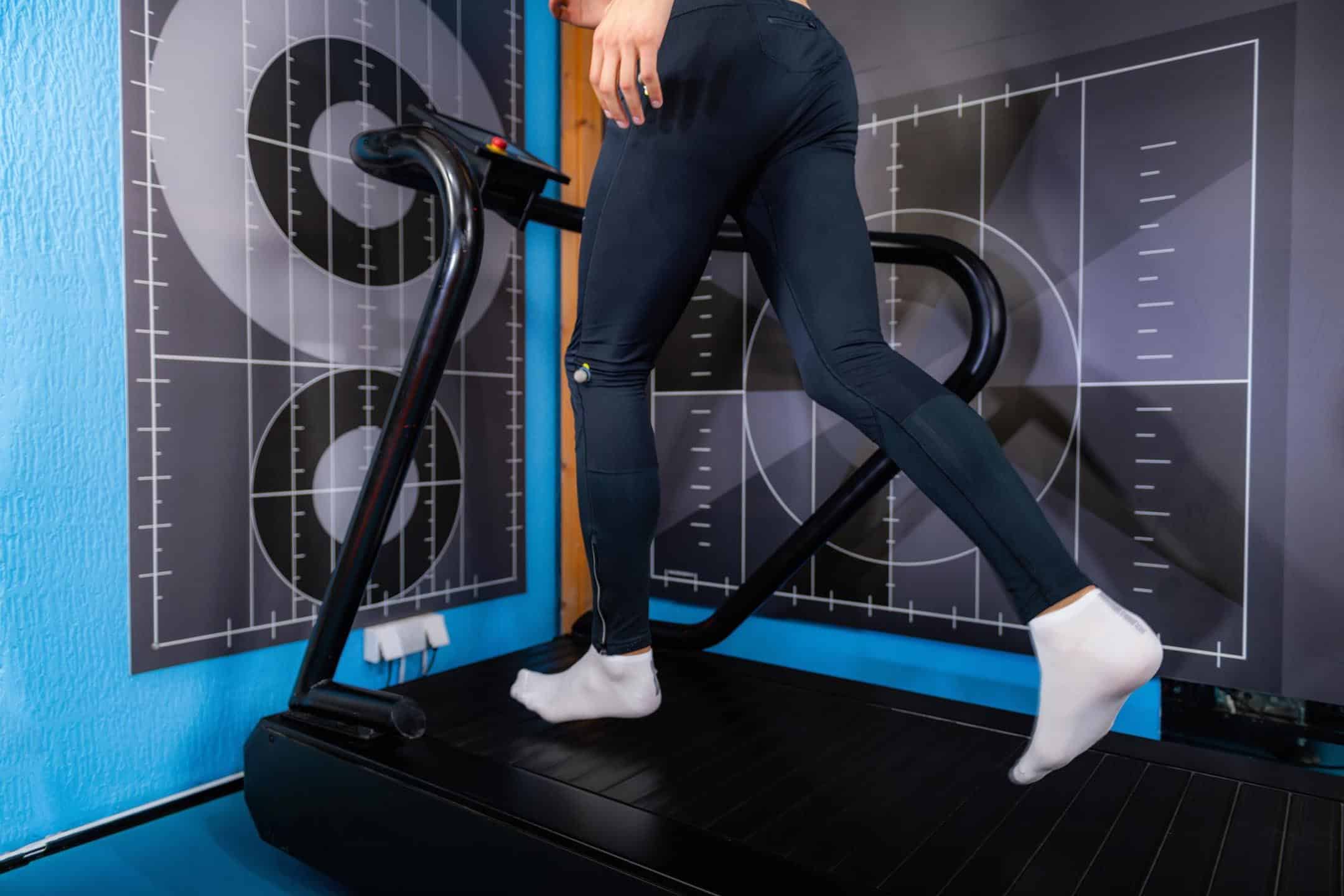
- Walking or running assessment where appropriate
- Foot posture assessment
- Footwear review
- Joint range of motion testing
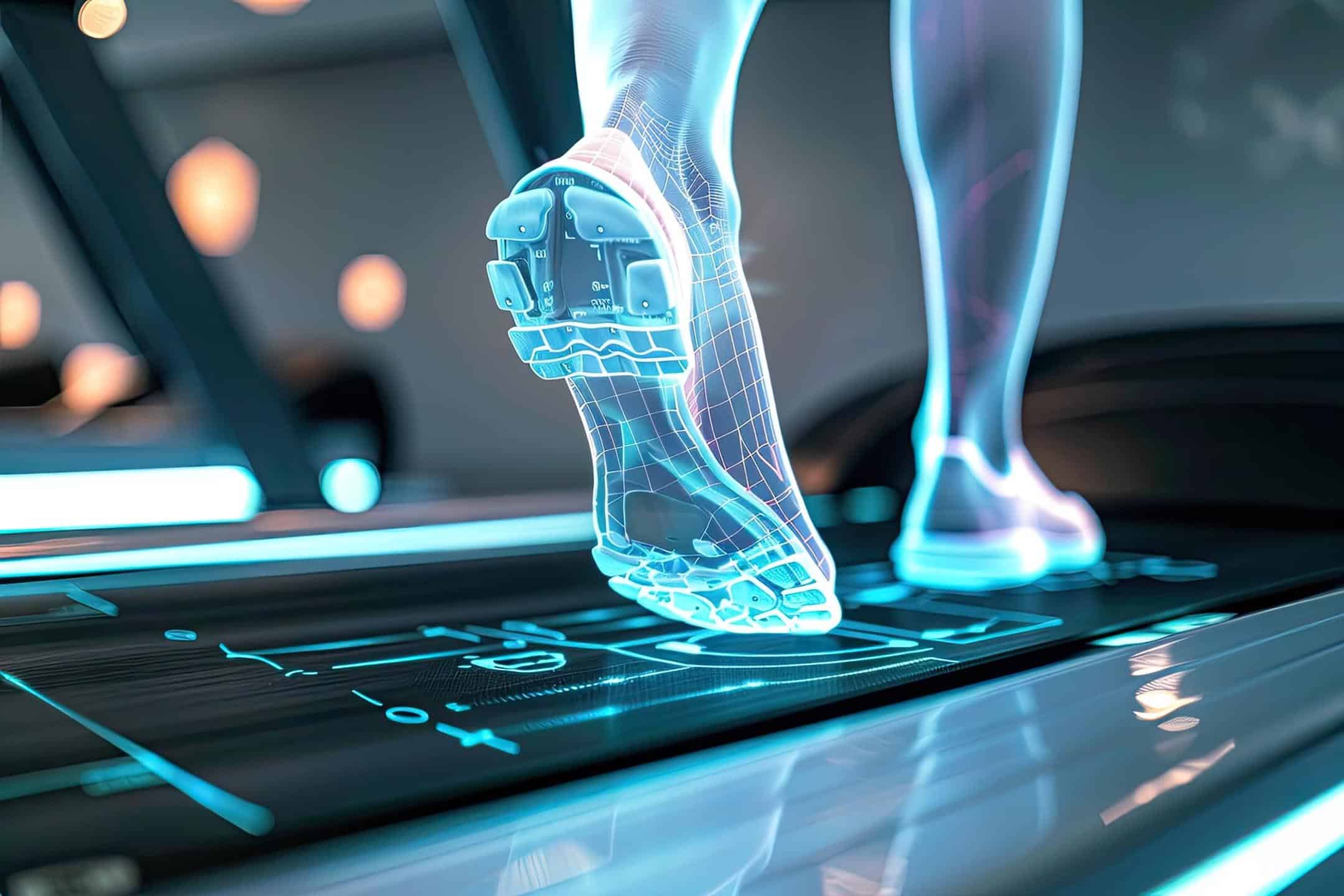
- Biomechanical analysis of how your feet and legs load
- Muscle strength checks
- Flexibility testing
- Treatment recommendations based on the findings
- Lower-limb alignment review
- Orthoses discussion if suitable
Stuart will explain the findings clearly as you go, so you understand what may be contributing to the problem and why certain recommendations may be made.
How the findings guide treatment
The findings from your biomechanical assessment help shape the next step.
Depending on what is found, your plan may include:
- Footwear advice
- Activity modification
- Strengthening guidance
- Mobility or flexibility work
- Load management advice
- Gait analysis where appropriate
- Foot orthoses if suitable
- Referral for further investigation if needed
What problems can a biomechanical assessment help investigate?
A biomechanical assessment can be useful when symptoms may be linked to the way your feet and lower limbs are functioning.
It may help investigate:
- Why heel pain keeps returning
- Whether footwear is supporting you appropriately
- Whether flat feet, high arches or uneven loading are affecting movement
- Whether calf tightness or ankle stiffness is contributing to strain
- Why running or walking causes repeated discomfort
- Whether custom or pre-fabricated orthoses may be suitable
- Whether foot posture is affecting loading
The assessment does not rely on one finding alone. Your history, symptoms, movement, footwear and activity demands are all considered together, which helps create a more practical plan.
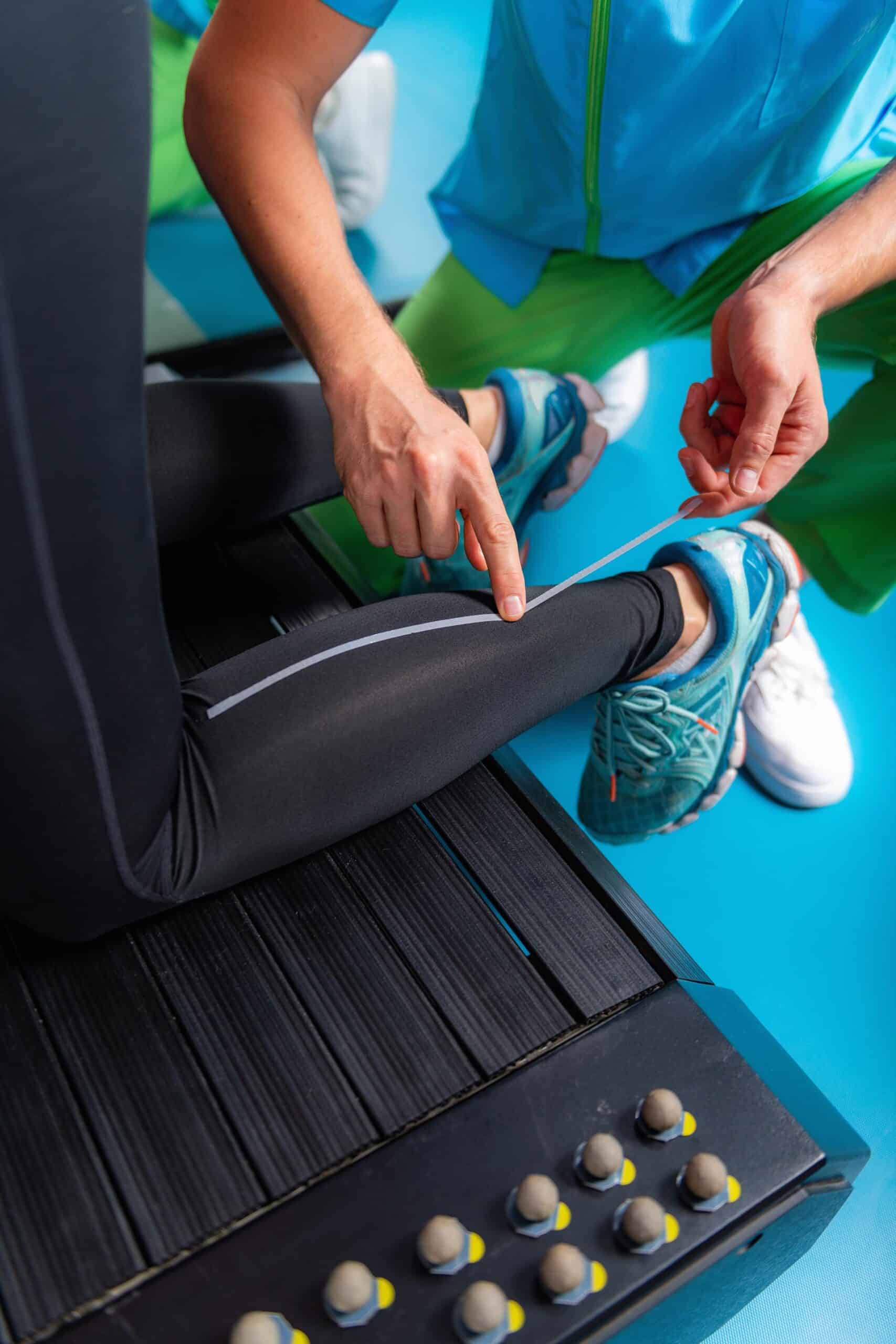
Orthoses, footwear and rehabilitation
Biomechanical treatment is rarely about one single change.
For some people, footwear advice is enough to reduce irritation or improve support. Others may benefit from exercises to strengthen the foot, ankle or calf. In some cases, orthoses may help support foot function, redistribute pressure or manage load.
Orthoses will only be recommended if your assessment suggests they may be useful based on your symptoms and goals. They are usually most helpful when used as part of a broader plan, rather than as a standalone solution.
Meet Stuart Hodder
Stuart Hodder is a Specialist Podiatrist and the clinical lead at Evolution Podiatry. He works with patients experiencing foot, ankle and lower-limb pain, helping them understand what may be contributing to their symptoms and what the most suitable next step is.
His approach is calm, practical and personal. Patients see Stuart for clear explanations, careful assessment and treatment planning that is shaped around their symptoms, movement, footwear, activity level and goals.
Stuart has a particular interest in lower-limb function, biomechanics, gait analysis, sports and exercise injuries, child development and alignment concerns. This means he often looks beyond the painful area itself. His work involves assessing concerns such as heel pain, Achilles pain, shin splints, flat feet, sports injuries, gait problems, children’s foot concerns and orthotic needs.

- Specialist Podiatrist and a member of the Royal College of Podiatrists
- HCPC registered (CH14453)
- Experienced in NHS and private practice
- Strong interest in biomechanics and gait analysis
- Runner and cyclist with personal experience of injury and rehabilitation
- Registered and works with insurance medical providers
Frequently Asked Questions
- What is a biomechanical assessment?
A biomechanical assessment looks at how your feet, legs and body move together. It can help identify whether foot posture, joint movement, strength, flexibility, alignment or loading patterns may be contributing to pain.
- Who should book a biomechanical assessment?
It may be useful if you have persistent foot or ankle pain, recurring sports injuries, flat feet, high arches, knee or hip symptoms, walking concerns or are considering orthoses.
- Is a biomechanical assessment painful?
The assessment is usually comfortable. Some parts may reproduce your symptoms slightly so Stuart can understand what is happening, but this will be explained as you go.
- Will I need gait analysis?
Not always. Gait analysis may be included where it is relevant, particularly if your symptoms are linked to walking, running or recurring loading issues. Stuart will explain whether it is useful in your case.
- Should I bring my shoes?
Yes. It is helpful to bring the shoes you wear most often, including work shoes, everyday footwear or running shoes if your symptoms are linked to sport.
- Will I need orthoses after the assessment?
Not everyone needs orthoses. They will only be recommended if your assessment suggests they may support your foot function and comfort.
Insights
Helpful, plain English articles about foot pain, sports injuries, gait, children’s foot health and treatment options.
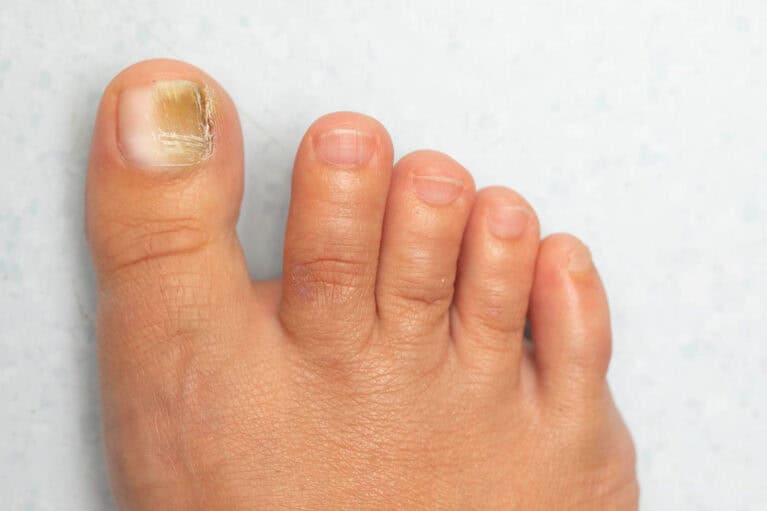
Fungal Nail Infections: Does Laser Treatment Actually Work?

Flat Feet in Children: When Should You Worry?
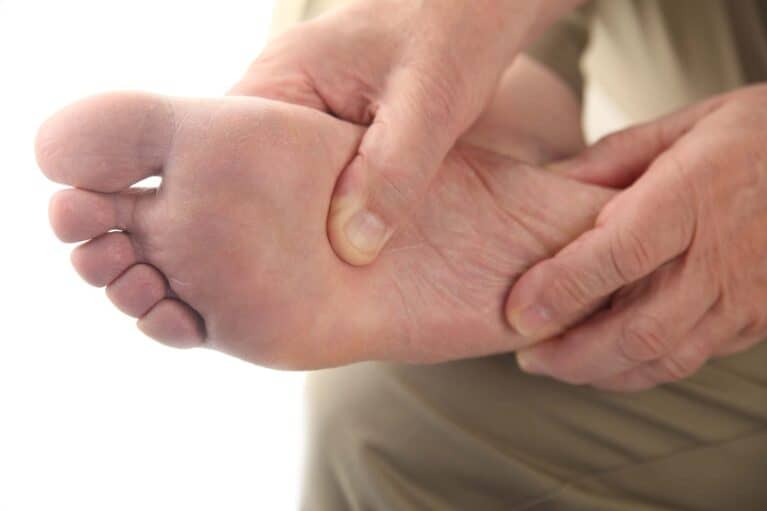
Morton’s Neuroma: Why Your Forefoot Burns
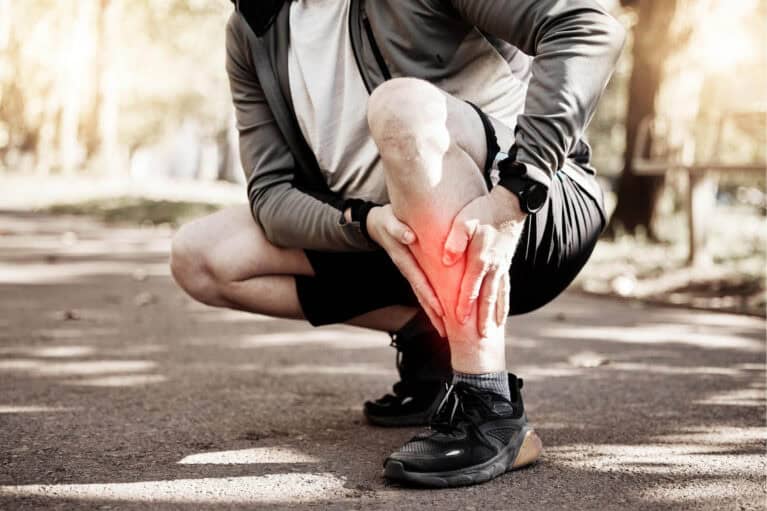
Shin Splints: Causes, Treatment & Return to Running
Book a biomechanical assessment
If foot, ankle or lower-limb pain is affecting how you walk, run or move, a biomechanical assessment can help clarify what may be contributing to your symptoms.
Book a biomechanical assessment with Stuart Hodder and take the next step towards understanding your movement more clearly.