Morton’s Neuroma Treatment in London and Surrey
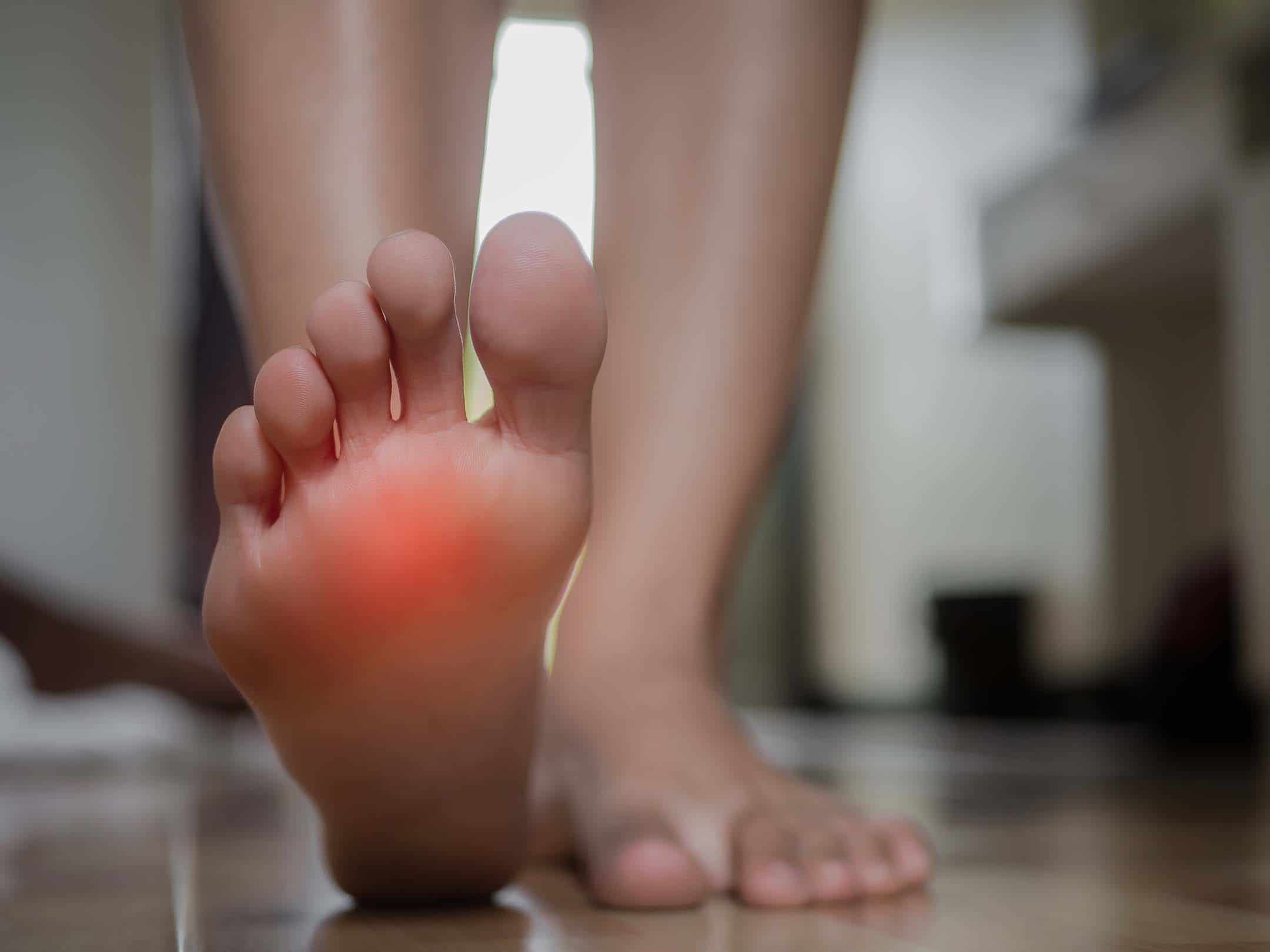
Morton’s neuroma can cause burning, tingling or sharp pain in the ball of the foot, often near the toes. Some people describe the feeling as standing on a small stone or having a fold in their sock. The discomfort may be worse in narrow shoes, high heels or during activities that place more pressure through the forefoot.
Your symptoms, footwear, forefoot loading and foot function should be assessed to understand whether Morton’s neuroma or another cause may be contributing to your pain. The next step will depend on your assessment findings, activity level and goals.
What is Morton’s neuroma?
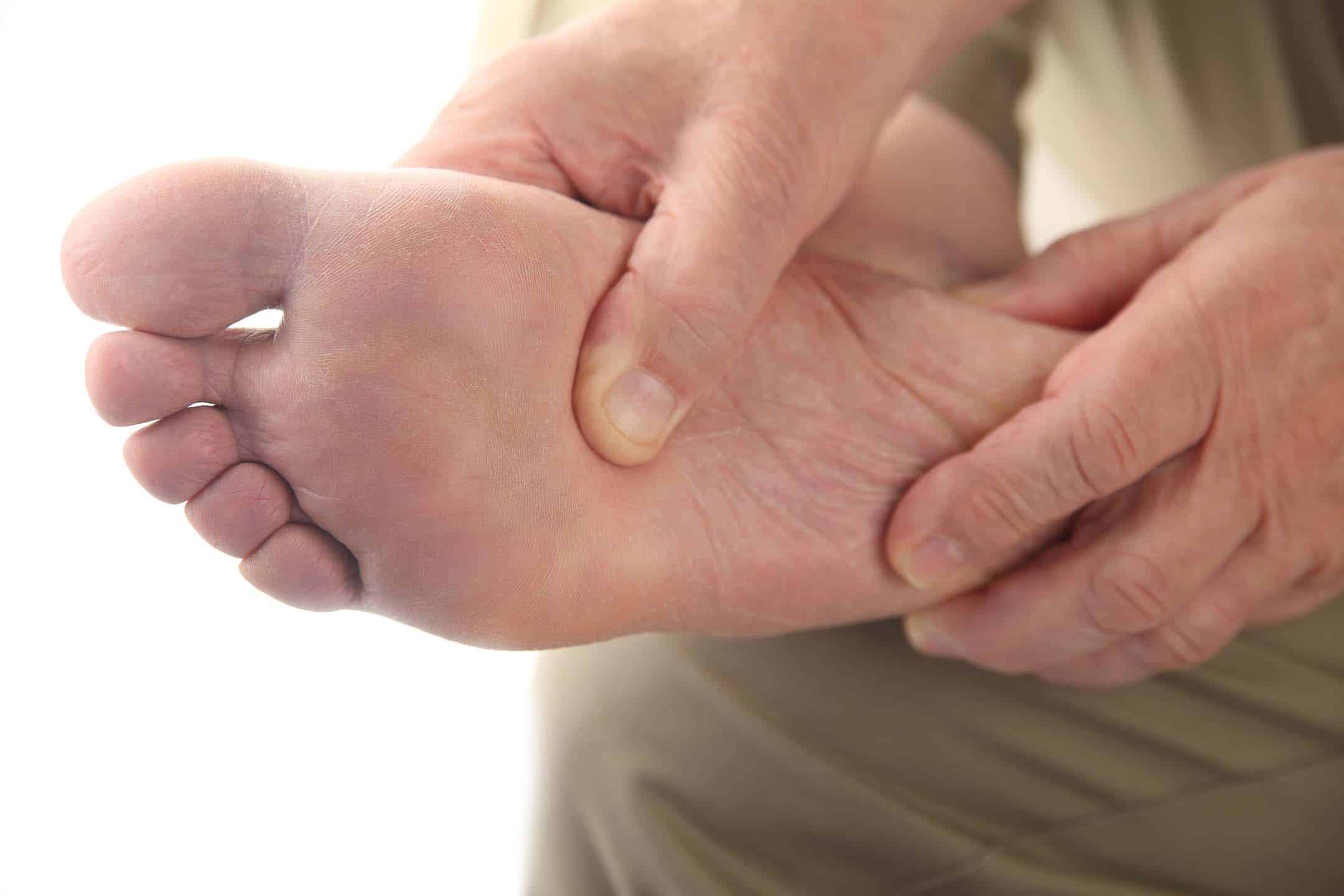
Morton’s neuroma is commonly linked to irritation or thickening around a nerve in the forefoot.
It usually affects the area between the toes, often between the third and fourth toes. When the nerve becomes irritated, it can create pain, tingling, numbness or a burning sensation in the ball of the foot.
Although the word “neuroma” can sound worrying, Morton’s neuroma is not usually a tumour. It is a benign thickening of the soft tissue around a nerve in the foot, often linked to pressure or irritation.
The painful area matters, but it is not always the full story. Assessment can help identify whether your symptoms may be linked to footwear, foot shape, forefoot pressure, walking patterns or activity demands.
Common symptoms of Morton’s neuroma
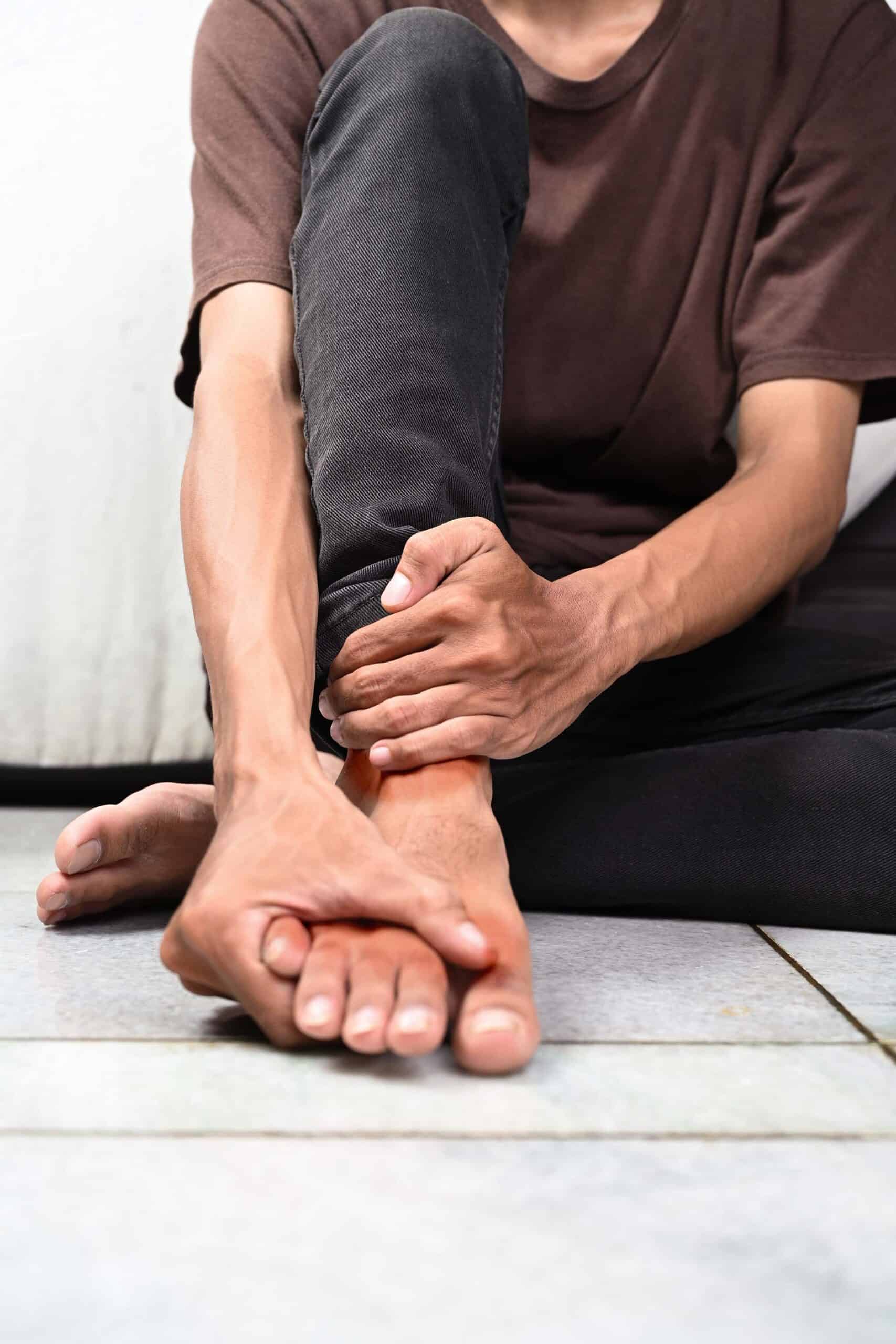
Morton’s neuroma symptoms can vary. Some people have mild tingling, while others feel sharper pain that affects walking or footwear choices.
You may notice:
- Burning pain in the ball of the foot
- Sharp or shooting pain near the toes
- Tingling in the toes
- Numbness in the forefoot
- A feeling of standing on a small stone
- Pain that feels worse in tight or narrow shoes
- Symptoms that ease when shoes are removed
- Forefoot discomfort during walking or running
- Pain that comes and goes
- Symptoms that become more noticeable with activity
You do not need to match every symptom. Several forefoot problems can feel similar, so an assessment can help clarify what may be happening.
10 signs you may have Morton’s neuroma
People often search for “10 signs you may have Morton’s neuroma” when forefoot symptoms feel unusual or difficult to explain.
Possible signs include:
- Burning pain under the ball of the foot
- Tingling into the toes
- Numbness around the toes
- A sharp or electric-type pain
- A sensation of walking on a pebble
- Symptoms that worsen in tight footwear
- Relief when removing shoes
- Pain during longer walks
- Discomfort with running or forefoot-loading sports
- Symptoms that keep returning in the same area
These signs do not confirm a diagnosis on their own. Morton’s neuroma is one possible cause of forefoot pain, but other conditions can also cause pain near the toes.

What can contribute to Morton’s neuroma?
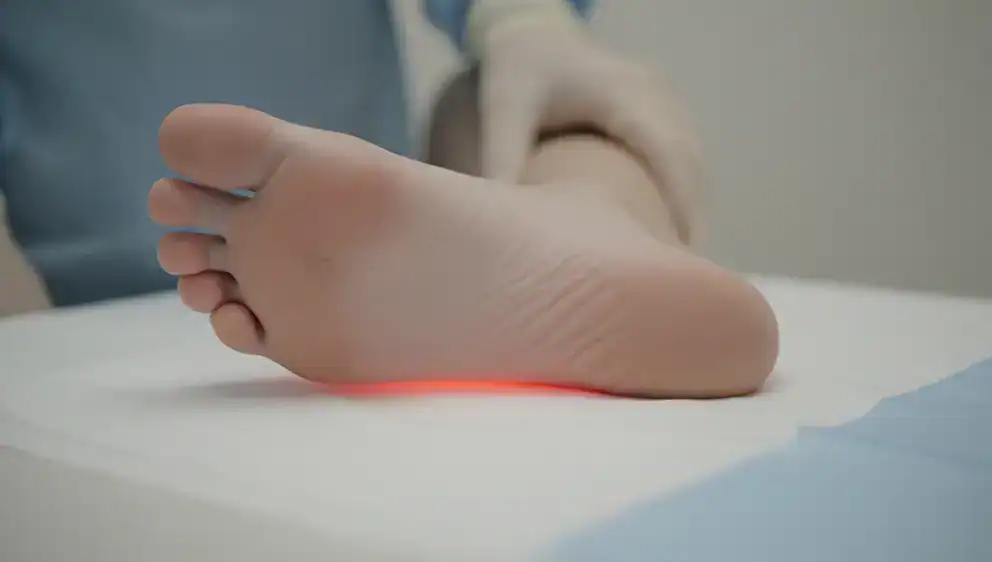
Morton’s neuroma may be linked to repeated pressure or irritation around the forefoot.
Sometimes symptoms begin after a footwear change or an increase in walking or sport. In other cases, the irritation builds gradually over time.
Possible contributing factors include:
- Pressure across the ball of the foot
- Tight or narrow shoes
- High heels
- Running or forefoot-loading sports
- Foot shape
- Bunions or other forefoot changes
- Flat feet or high arches
- Repeated irritation around the nerve
- Changes in walking or loading patterns
- Activity that increases pressure through the forefoot
Footwear can be important, but it is not the only factor. How your foot loads, how much pressure passes through the forefoot and how the surrounding joints are functioning may also be relevant.
Morton’s neuroma and Morton’s toe
Morton’s neuroma and Morton’s toe are not the same thing.
Morton’s neuroma refers to nerve irritation in the forefoot. Morton’s toe usually describes a foot shape where the second toe appears longer than the big toe, or where the first metatarsal is relatively shorter.
Having Morton’s toe does not mean you definitely have Morton’s neuroma. However, foot shape can sometimes influence how pressure passes through the forefoot, which may be relevant during assessment.
If you are unsure whether your symptoms are linked to Morton’s neuroma, Morton’s toe or another forefoot problem, a podiatry assessment can help make this clearer.
When should you get Morton’s neuroma assessed?
It is sensible to book an assessment with Stuart if forefoot pain is affecting walking, footwear, sport or daily comfort.
Assessment may be helpful if:
- Pain is affecting walking or standing
- Tingling or numbness keeps returning
- Symptoms are worse in shoes
- You feel as though you are standing on a small stone
- Pain is limiting running or exercise
- Forefoot pain has not improved with sensible footwear changes
- You have altered sensation in the foot
- You are considering insoles or orthoses
- Symptoms are getting worse
- You have diabetes and foot pain
- You are unsure whether the problem is Morton’s neuroma or another condition
Please seek urgent medical advice if you have severe pain after an injury, cannot walk, notice sudden swelling or deformity, have spreading redness, fever, pus, a deep wound or signs of infection.
How Stuart assesses Morton’s neuroma
Your appointment is designed to understand your symptoms and how your forefoot is being loaded.
Stuart may assess:
- Where your pain is located
- Whether symptoms spread into the toes
- What your pain feels like
- What makes symptoms better or worse
- Footwear and shoe fit
- Pressure across the ball of the foot
- Forefoot tenderness
- Foot posture and loading
- Joint movement in the foot and toes
- Walking gait where appropriate
- Running or sport demands if relevant
- Whether imaging or onward referral may be needed
A biomechanical assessment may be useful if your symptoms appear linked to foot posture, loading patterns or recurring forefoot pressure. Gait analysis may also help if walking or running seems to be contributing.
Stuart will explain the findings clearly, so you understand what may be irritating the area and which options may be suitable.

Morton’s neuroma treatment options
Treatment depends on your symptoms, assessment findings, footwear, activity level and medical history.
A plan may include:
- Footwear advice
- Advice on shoe width and fit
- Pressure relief
- Padding or offloading
- Activity modification
- Gait or loading advice
- Foot orthoses where appropriate
- Referral for imaging if needed
- Referral for further treatment
Orthoses are not needed for everyone. If they may help reduce pressure through the forefoot or support foot function, Stuart will explain why and talk through the options.
Treatment suitability depends on your symptoms, health, medical history and assessment findings. Your assessment will guide the next step.
Footwear and Morton’s neuroma
Shoes can make a noticeable difference to Morton’s neuroma symptoms.
Narrow shoes, pointed toe boxes and high heels may increase pressure across the ball of the foot. Some people feel relief when they remove their shoes or switch to footwear with more room around the toes.
This does not mean footwear is always the only cause. Your assessment may also consider forefoot structure, joint movement, loading patterns and activity demands.
Stuart can review your everyday footwear, work shoes or sports trainers and advise on features that may be more suitable for your symptoms.
Morton’s neuroma and running
Running can increase load through the forefoot, particularly during faster running, hills, forefoot striking or longer training sessions.
Morton’s neuroma symptoms may appear during a run, after activity or when wearing tighter running shoes. Some runners describe burning or tingling near the toes, while others feel a sharp pain under the ball of the foot.
Stuart is a runner himself, so he understands how frustrating forefoot pain can be when it affects training. Your assessment may look at footwear, running history, gait, training load and how pressure is being managed through the forefoot.
The aim is to help you understand what may be contributing to symptoms and guide practical next steps where possible.
Podiatry clinics in London and Surrey
Evolution Podiatry provides specialist foot, ankle and lower-limb care across London and Surrey. Choose the clinic that is most convenient for you, then book an appointment or speak to the clinic if you are unsure which location or appointment type is most suitable.
Notting Hill, W10
Specialist Podiatry care at The Portobello Clinic in Notting Hill for patients across West London.Wimbledon, SW19
Foot and lower-limb assessment at the Legs for Life Clinic in Nuffield Health Parkside Hospital for patients across South West London.Woking, GU21
Podiatry appointments at Nuffield Health Woking Hospital for over 18 year olds across Surrey.
Meet Stuart Hodder
Stuart Hodder is a Specialist Podiatrist and the clinical lead at Evolution Podiatry. He works with patients experiencing foot, ankle and lower-limb pain, helping them understand what may be contributing to their symptoms and what the most suitable next step is.
His approach is calm, practical and personal. Patients see Stuart for clear explanations, careful assessment and treatment planning that is shaped around their symptoms, movement, footwear, activity level and goals.
Stuart has a particular interest in lower-limb function, biomechanics, gait analysis, sports and exercise injuries, child development and alignment concerns. This means he often looks beyond the painful area itself. His work involves assessing concerns such as heel pain, Achilles pain, shin splints, flat feet, sports injuries, gait problems, children’s foot concerns and orthotic needs.

- Specialist Podiatrist and a member of the Royal College of Podiatrists
- HCPC registered (CH14453)
- Experienced in NHS and private practice
- Strong interest in biomechanics and gait analysis
- Runner and cyclist with personal experience of injury and rehabilitation
- Registered and works with insurance medical providers
Morton’s neuroma FAQs
- Will changing shoes help Morton’s neuroma?
Footwear changes may help some people, especially if symptoms are worse in tight or narrow shoes. Stuart can review your shoes and explain what features may be more suitable.
- Will I need orthoses?
Not always. Orthoses may be discussed if your assessment suggests they could help reduce pressure through the forefoot or support how your foot loads.
- Can I keep running with Morton’s neuroma?
That depends on your symptoms and assessment findings. If running is making pain worse, it may be sensible to reduce or modify activity until you have been assessed.
- Can Morton’s neuroma be cured?
It is best to avoid thinking in terms of guaranteed cures. Some people improve with conservative care, while others may need further investigation or referral. Your assessment will guide the most suitable next step.
- When should I seek urgent help for forefoot pain?
Seek urgent medical help if you have severe pain after an injury, cannot walk, notice sudden deformity, have spreading redness, fever, pus, a deep wound or signs of infection.
- What does Morton’s neuroma feel like?
Morton’s neuroma may feel like burning, tingling, numbness or sharp pain in the ball of the foot. Some people describe it as feeling like a small stone under the foot.
- Is Morton’s neuroma the same as Morton’s toe?
No. Morton’s neuroma involves irritation around a nerve in the forefoot. Morton’s toe describes a foot shape where the second toe appears longer than the big toe, or where the first metatarsal is relatively shorter.
- Can Morton’s neuroma cause toe numbness?
Yes. Tingling or numbness into the toes can be associated with Morton’s neuroma. Assessment can help clarify whether the nerve or another forefoot problem may be involved.
- What causes Morton’s neuroma?
Morton’s neuroma may be linked to pressure through the ball of the foot, tight shoes, high heels, forefoot-loading sports, foot shape, bunions, flat feet, high arches or repeated irritation around the nerve.
Insights
Helpful, plain English articles about foot pain, sports injuries, gait, children’s foot health and treatment options.
Fungal Nail Infections: Does Laser Treatment Actually Work?

Flat Feet in Children: When Should You Worry?
Morton’s Neuroma: Why Your Forefoot Burns

Shin Splints: Causes, Treatment & Return to Running
Book a Morton’s neuroma assessment
If burning, tingling or pain in the ball of your foot is affecting how you walk, run or choose shoes, an assessment can help identify what may be contributing to your symptoms.
Book an assessment with Stuart to understand what may be driving your forefoot pain and what the most suitable next steps may be.