Ingrown Toenail
What is an ingrown toenail?
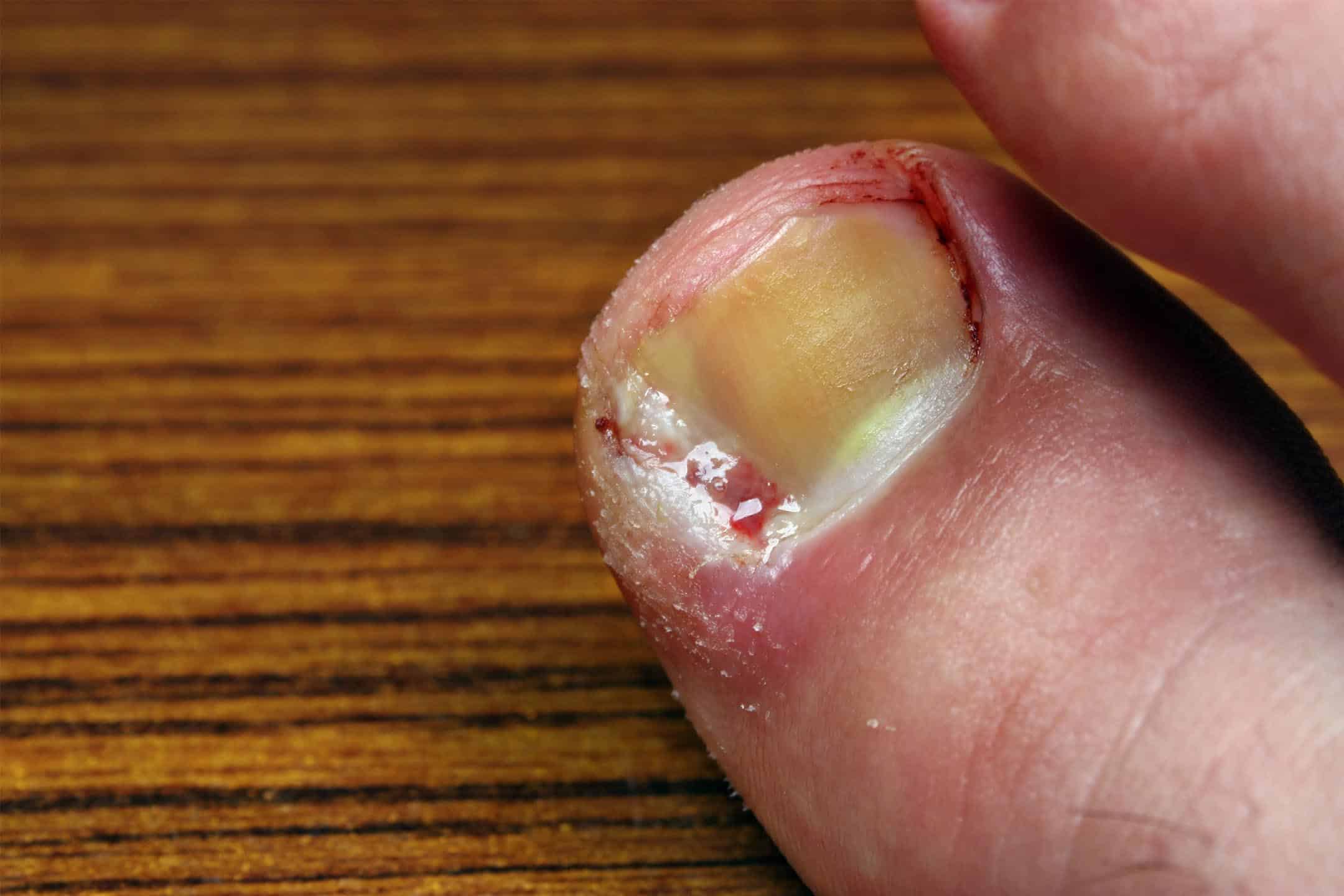
An ingrown toenail happens when part of the nail grows into the skin at the side of the toe.
It most commonly affects the big toe, although other toes can be affected. The nail edge may press into the skin gradually, or it may become painful after nail cutting, pressure from footwear or trauma to the toe.
Some ingrown toenails are mild and can be managed with careful reduction of the nail edge, dressing guidance and footwear advice. Others are more persistent, painful or infected, and may need a minor nail procedure.
Not every painful nail edge is truly ingrown. Corns, thickened nails, trauma, fungal nail changes and pressure from shoes can sometimes cause similar discomfort, so assessment is important before treatment is recommended.
Ingrown toenail symptoms
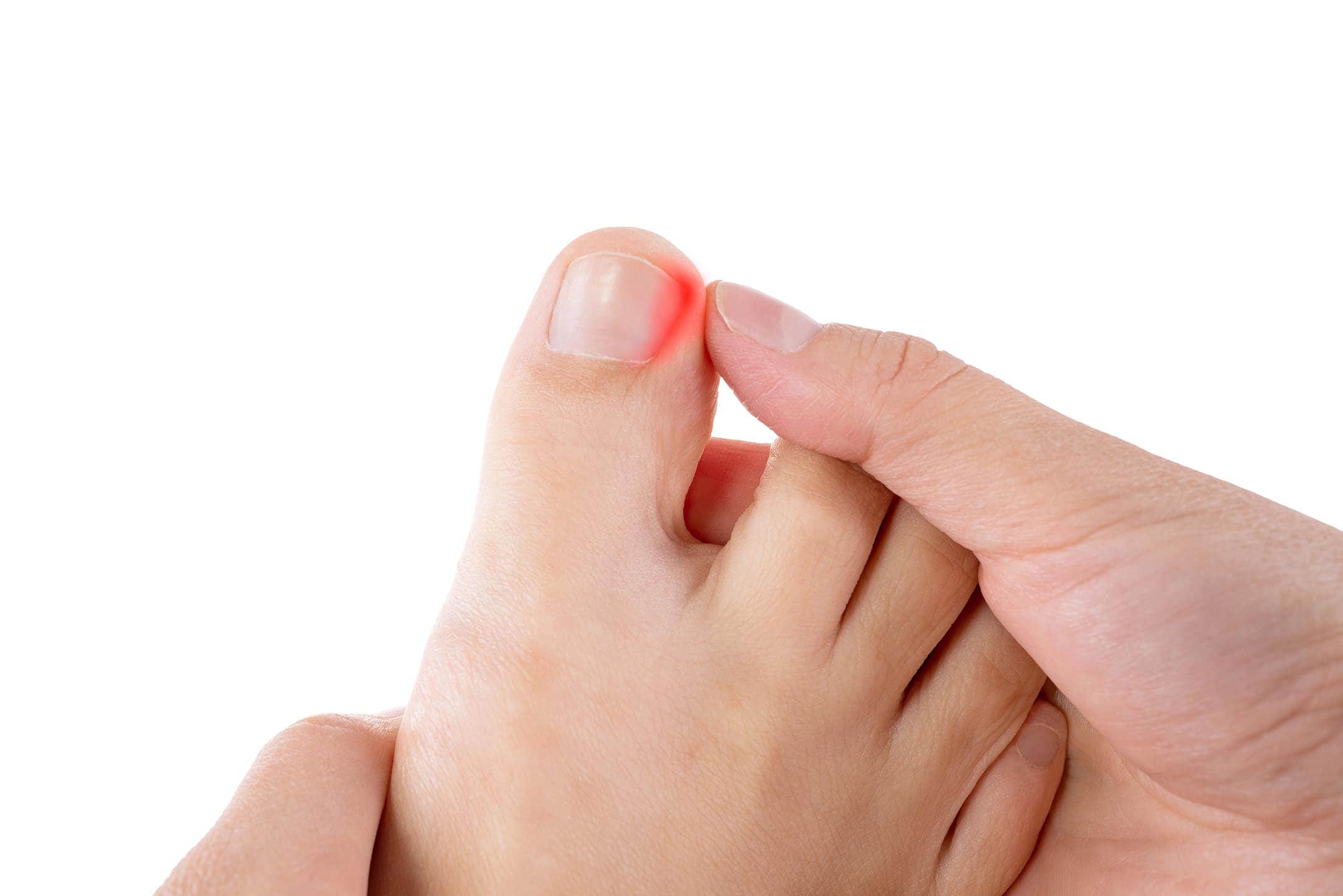
Ingrown toenail symptoms vary depending on how irritated the skin has become.
You may notice:
- Pain at the side of the toenail
- Tenderness when wearing shoes
- Redness around the nail edge
- Swelling next to the nail
- Skin growing over the nail edge
- Bleeding from the side of the nail
- Discharge or pus
- Throbbing pain
- Pain when walking
- Repeated irritation in the same area
You do not need to wait until symptoms are severe. Early assessment can help reduce pressure and irritation before the area becomes more difficult to manage.
First stage mild ingrown toenail
A first stage mild ingrown toenail may feel sore or tender without obvious infection.
The skin may look slightly red or irritated, and the toe may hurt when pressed in shoes. At this stage, treatment may focus on reducing pressure, checking the nail edge and giving practical guidance on nail cutting, footwear and dressing where appropriate.
Avoid digging into the nail yourself. Cutting too deeply down the side can sometimes leave a sharp nail spike behind, which may make symptoms worse.
If pain keeps returning or the area becomes red, swollen or weepy, it is sensible to arrange an assessment.
Infected ingrown toenail
An infected ingrown toenail may become more painful, swollen, red or warm. There may also be pus, bleeding or an unpleasant discharge from the side of the nail.
If you think the toe may be infected, seek prompt advice. Infection can sometimes need medical input, particularly if you have diabetes, reduced circulation, reduced sensation, immune system concerns or the redness is spreading.
You should seek urgent medical help if you have spreading redness, fever, pus, a deep wound, severe pain or signs of infection that are getting worse.
A podiatry assessment can help review the nail and skin, but referral or medical advice may be needed if infection or complexity requires it. This is in line with the approved guidance for ingrown toenail care.

What can cause an ingrown toenail?
Ingrown toenails can develop for several reasons.
Possible contributing factors include:
- Cutting the nail too short
- Cutting down the side of the nail
- A curved or involuted nail shape
- Tight or narrow footwear
- Pressure from sports shoes
- Injury to the toe
- Picking or tearing the nail
- Thickened nails
- Repeated pressure on the big toe
- Family tendency towards curved nails
Sometimes there is no single obvious cause. The important part is understanding the nail shape, skin irritation, footwear pressure and whether infection is present.
What happens at an ingrown toenail assessment?
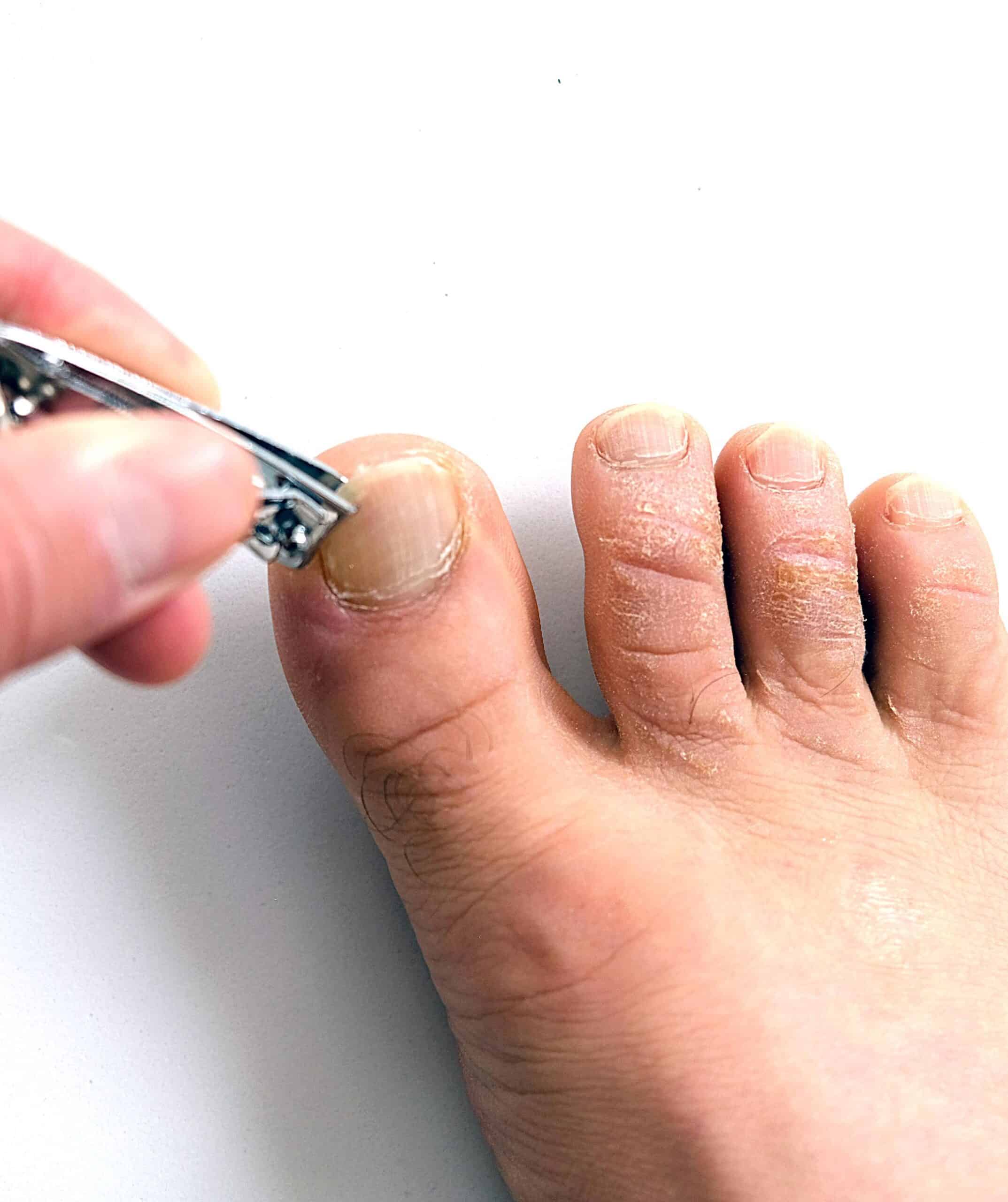
Your appointment is designed to check the nail, assess the surrounding skin and understand which treatment route may be suitable.
An ingrown toenail appointment may include:
- Nail and skin assessment
- Checking for signs of infection
- Checking footwear pressure
- Careful reduction of the nail edge
- Dressing guidance
- Nail-cutting advice
- Asking about previous ingrown toenails
- Reviewing how long symptoms have been present
- Referral or medical advice if infection or complexity requires it
- Discussion of nail surgery if needed
Stuart will explain what he can see and whether conservative care, nail surgery or another step may be appropriate.
Ingrown toenail treatment options
Ingrown toenail treatment depends on the severity of the problem, whether infection is present, your medical history and whether the issue keeps returning.
A plan may include:
- Careful reduction of the nail edge
- Dressing guidance and footwear advice
- Nail-cutting guidance
- Monitoring if symptoms are mild
- Infection advice or referral where needed
- Nail surgery if suitable
Treatment is not the same for every patient. A mild ingrown toenail may need a different approach from a painful, infected or recurring ingrowing toenail.
Stuart will talk you through the options and explain what is suitable before any treatment begins.
Ingrown toenail removal and nail surgery
Ingrown toenail removal may be discussed if the nail edge is repeatedly painful, difficult to manage or not settling with simpler care.
Nail surgery for an ingrown toenail may involve removing the problematic section of nail. This is often called a partial nail avulsion. In some cases, a chemical called phenol may be applied to the nail matrix to reduce the chance of that section of nail regrowing.
Nail surgery is not needed for every ingrown toenail. Stuart will explain whether it may be suitable based on your assessment, symptoms and medical history.
What happens during nail surgery?
If nail surgery is suitable, Stuart will explain the procedure, aftercare and any key considerations before treatment is agreed.
A nail surgery appointment may include:
- Checking the toe and confirming suitability
- Explaining the procedure and aftercare
- Local anaesthetic where appropriate
- Removing the problematic section of nail
- Applying phenol where suitable
- Dressing the toe
- Giving aftercare guidance
- Planning review or follow-up where needed
You will be told what to expect before treatment starts. If there are concerns about infection, circulation, healing or your medical history, Stuart will explain whether further advice or referral is needed.
Can you treat an ingrown toenail at home?
Some mild irritation may settle with sensible self-care, but it is important not to dig down the side of the nail or try to remove a deep nail spike yourself.
Simple steps may include wearing roomier shoes, keeping the area clean and avoiding pressure on the painful side of the toe. If the nail edge is embedded, painful, bleeding, weeping or infected, home treatment may not be enough.
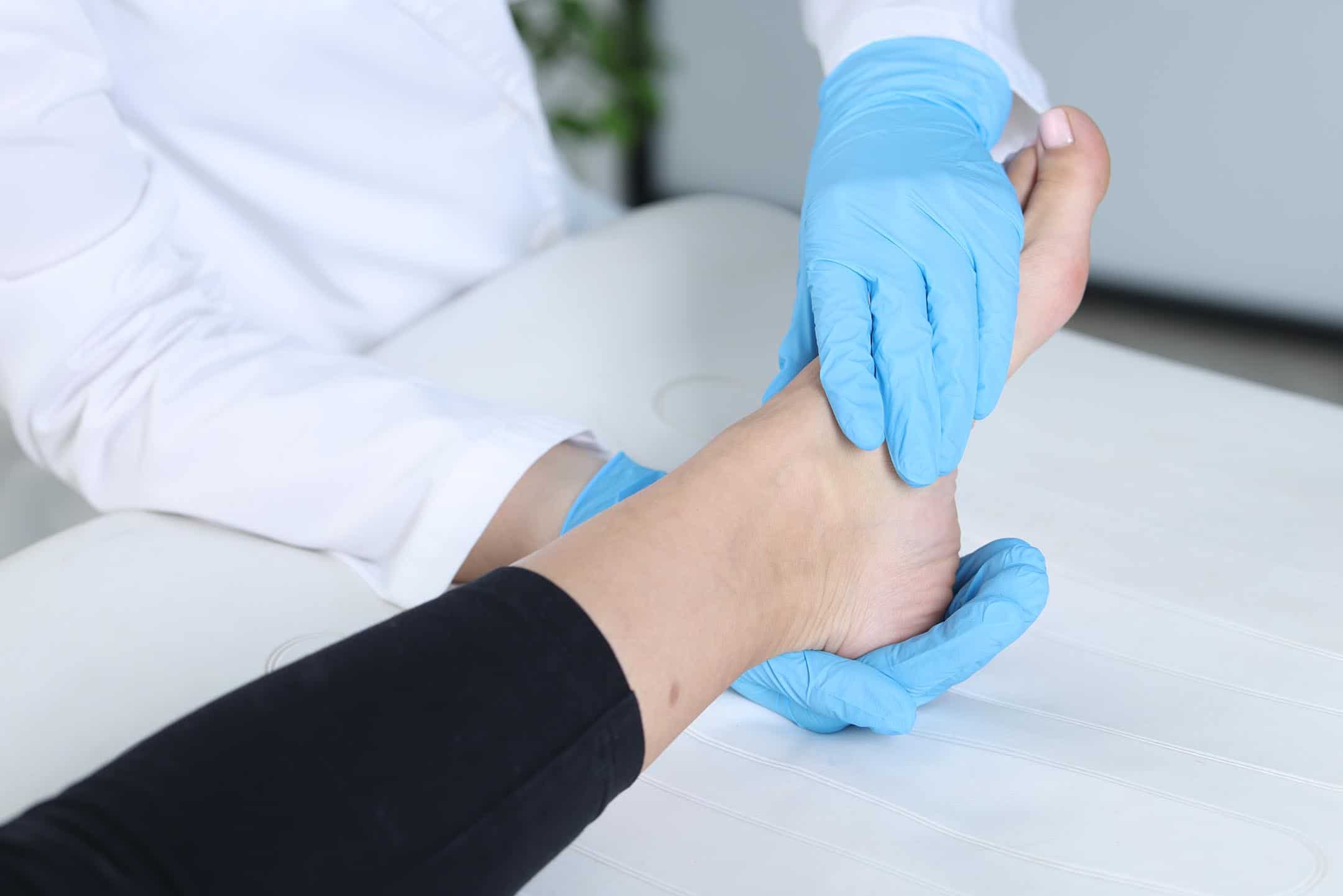
Avoid using sharp tools, ingrown toenail kits or repeated cutting. This can increase irritation and may make infection more likely.
If symptoms are persistent, painful or worsening, book an assessment.


How to help prevent ingrown toenails
Prevention depends on the cause, but small changes may reduce irritation for some people.
Helpful steps include:
- Cutting nails straight across where possible
- Avoiding cutting deeply down the sides
- Wearing shoes with enough room around the toes
- Avoiding repeated pressure from tight footwear
- Keeping nails manageable if they become thickened
- Seeking help if nail cutting is difficult
- Getting recurring nail pain assessed early
These steps cannot prevent every ingrown toenail. Nail shape, toe shape, footwear, activity and previous nail problems can all play a part.
How to help prevent ingrown toenails
Prevention depends on the cause, but small changes may reduce irritation for some people.
- Cutting nails straight across where possible
- Avoiding cutting deeply down the sides
- Seeking help if nail cutting is difficult
- Wearing shoes with enough room around the toes
- Avoiding repeated pressure from tight footwear
- Keeping nails manageable if they become thickened
- Getting recurring nail pain assessed early
When to seek prompt medical advice
Please seek prompt medical advice if the toe is infected, very painful, bleeding, weeping or worsening.
Seek urgent help if you notice:
- Spreading redness
- Fever
- Pus
- A deep wound
- Severe pain
- Sudden swelling
- Redness that is moving up the toe or foot
- Signs of infection with diabetes or reduced circulation
If you have diabetes and develop foot pain, a wound, skin colour change, swelling, warmth, redness or signs of infection, seek prompt medical advice.
Ingrown toenail treatment prices
- New patient appointment / assessment£145
- Nail Surgery, 1 toe£360
- Nail Surgery, 2 toes£410
Meet Stuart Hodder
Stuart Hodder is a Specialist Podiatrist and the clinical lead at Evolution Podiatry. He works with patients experiencing foot, ankle and lower-limb pain, helping them understand what may be contributing to their symptoms and what the most suitable next step is.
His approach is calm, practical and personal. Patients see Stuart for clear explanations, careful assessment and treatment planning that is shaped around their symptoms, movement, footwear, activity level and goals.
Stuart has a particular interest in lower-limb function, biomechanics, gait analysis, sports and exercise injuries, child development and alignment concerns. This means he often looks beyond the painful area itself. His work involves assessing concerns such as heel pain, Achilles pain, shin splints, flat feet, sports injuries, gait problems, children’s foot concerns and orthotic needs.

- Specialist Podiatrist and a member of the Royal College of Podiatrists
- HCPC registered (CH14453)
- Experienced in NHS and private practice
- Strong interest in biomechanics and gait analysis
- Runner and cyclist with personal experience of injury and rehabilitation
- Registered and works with insurance medical providers
Ingrown toenail FAQs
- Can an ingrown toenail come back?
Yes, it can. Recurrence depends on nail shape, footwear, nail cutting, activity and how the skin and nail respond. No treatment can guarantee that an ingrown toenail will never return.
- Can I cut out an ingrown toenail myself?
It is best not to dig down the side of the nail yourself. This can leave a sharp nail spike, worsen irritation or increase infection risk. If the nail is painful or embedded, arrange an assessment.
- What is an ingrown toenail?
An ingrown toenail happens when the nail presses into or pierces the skin at the side of the toe. It can cause pain, redness, swelling, bleeding or infection.
- What are common ingrown toenail symptoms?
Common symptoms include pain at the side of the nail, redness, swelling, tenderness in shoes, bleeding, discharge, pus or skin growing over the nail edge.
- Can a first stage mild ingrown toenail settle without surgery?
Sometimes. A mild ingrown toenail may settle with pressure reduction, careful nail care, footwear changes and dressing guidance. Assessment can help decide whether simple care is suitable.
- What should I do if I have an infected ingrown toenail?
Seek prompt advice if the toe is red, swollen, hot, painful, bleeding or producing pus. If you have diabetes, poor circulation or reduced sensation, do not delay seeking medical advice.
- Will I need ingrown toenail removal?
Not always. Some ingrown toenails can be managed conservatively. Ingrown toenail removal or nail surgery may be discussed if the problem is persistent, painful or recurring.
- What is partial nail avulsion?
Partial nail avulsion is a minor nail procedure where the problematic section of nail is removed. Phenol may sometimes be used to reduce regrowth of that nail section.
- Is ingrown toenail treatment painful?
Some treatments can be uncomfortable. If nail surgery is needed, local anaesthetic is usually used where appropriate. Stuart will explain what to expect before treatment begins.
Podiatry clinics in London and Surrey
Evolution Podiatry provides specialist foot, ankle and lower-limb care across London and Surrey. Choose the clinic that is most convenient for you, then book an appointment or speak to the clinic if you are unsure which location or appointment type is most suitable.
Notting Hill, W10
Specialist Podiatry care at The Portobello Clinic in Notting Hill for patients across West London.Wimbledon, SW19
Foot and lower-limb assessment at the Legs for Life Clinic in Nuffield Health Parkside Hospital for patients across South West London.Woking, GU21
Podiatry appointments at Nuffield Health Woking Hospital for over 18 year olds across Surrey.
Book an ingrown toenail assessment
If an ingrown toenail is painful, infected, recurring or making shoes uncomfortable, an assessment can help clarify what is happening and which treatment options may be suitable.
Book an assessment with Stuart to understand whether conservative care or nail surgery may be the right next step.