Lunula Laser for Fungal Nail
What is a fungal nail infection?
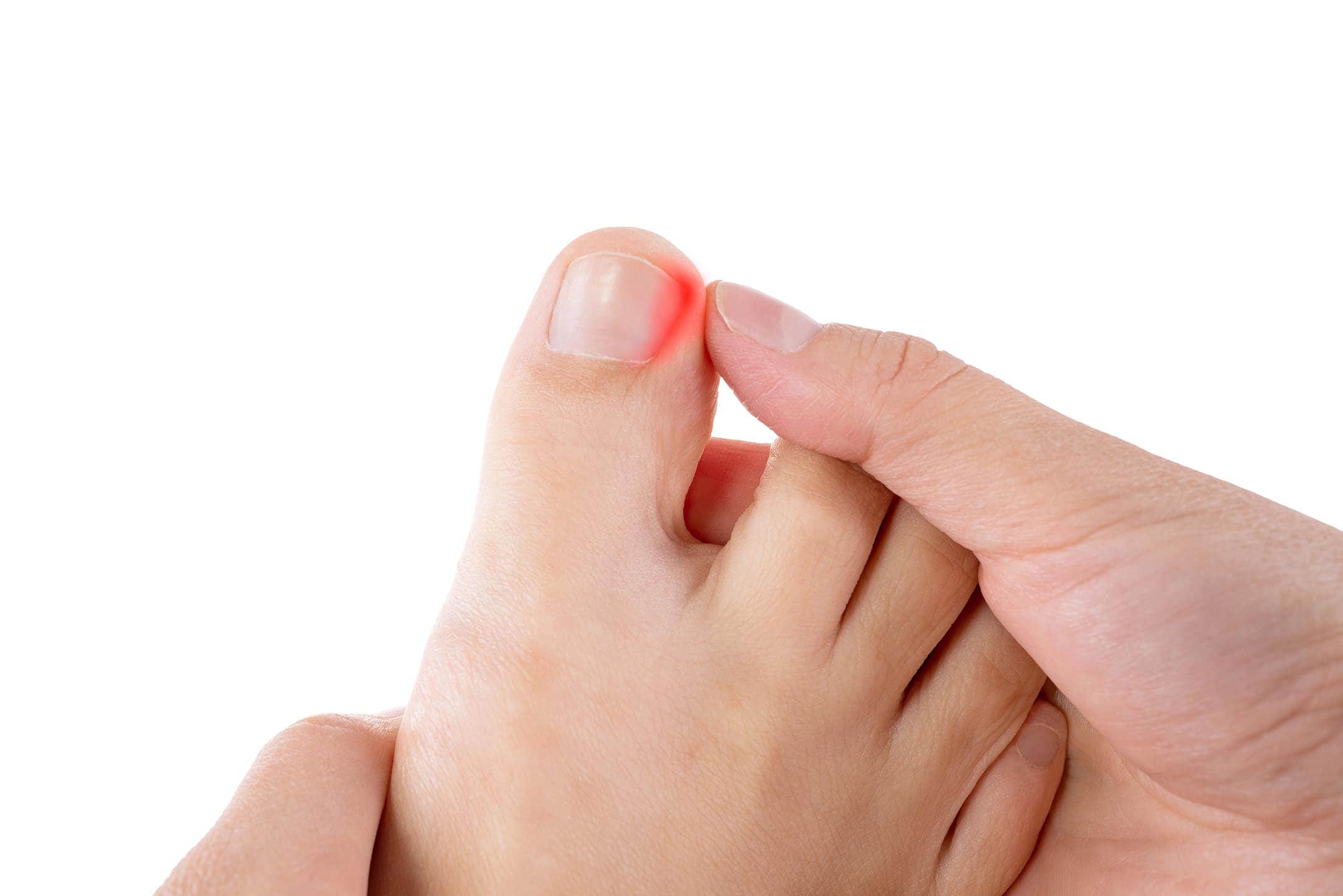
A fungal nail infection develops when fungus affects the nail plate or the tissue underneath it.
Toenail fungus can change the colour, texture and thickness of the nail. Some nails become yellow, white, brown or crumbly. Others lift away from the nail bed or become difficult to trim.
Not every nail change is fungal. Trauma, psoriasis, pressure from footwear, ageing, skin conditions and previous nail injury can look similar to nail fungus.
This is why assessment is important before treatment is recommended. Stuart can assess the nail, discuss your history and explain whether a nail sample may be useful before starting treatment.
Fungal nail symptoms
Fungal nail symptoms can vary depending on how much of the nail is affected.
You may notice:
- Yellow, white or brown nail discolouration
- Thickened toenails
- Crumbly or brittle nail edges
- Nail lifting from the nail bed
- A change in nail shape
- Soft or flaky nail texture
- Build-up under the nail
- Difficulty cutting the nail
- Several nails changing over time
- Embarrassment about the appearance of the nail
Some fungal nails are painless. Others can become uncomfortable if the nail thickens, presses in shoes or starts to irritate the surrounding skin.
What is Lunula Laser?
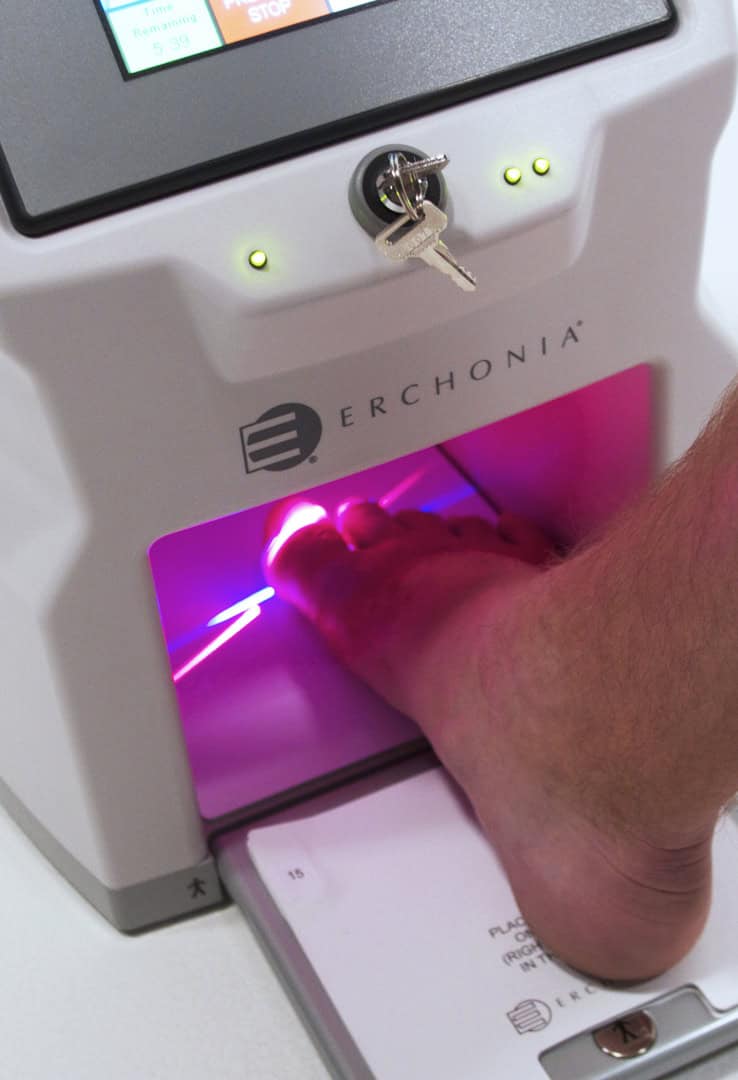
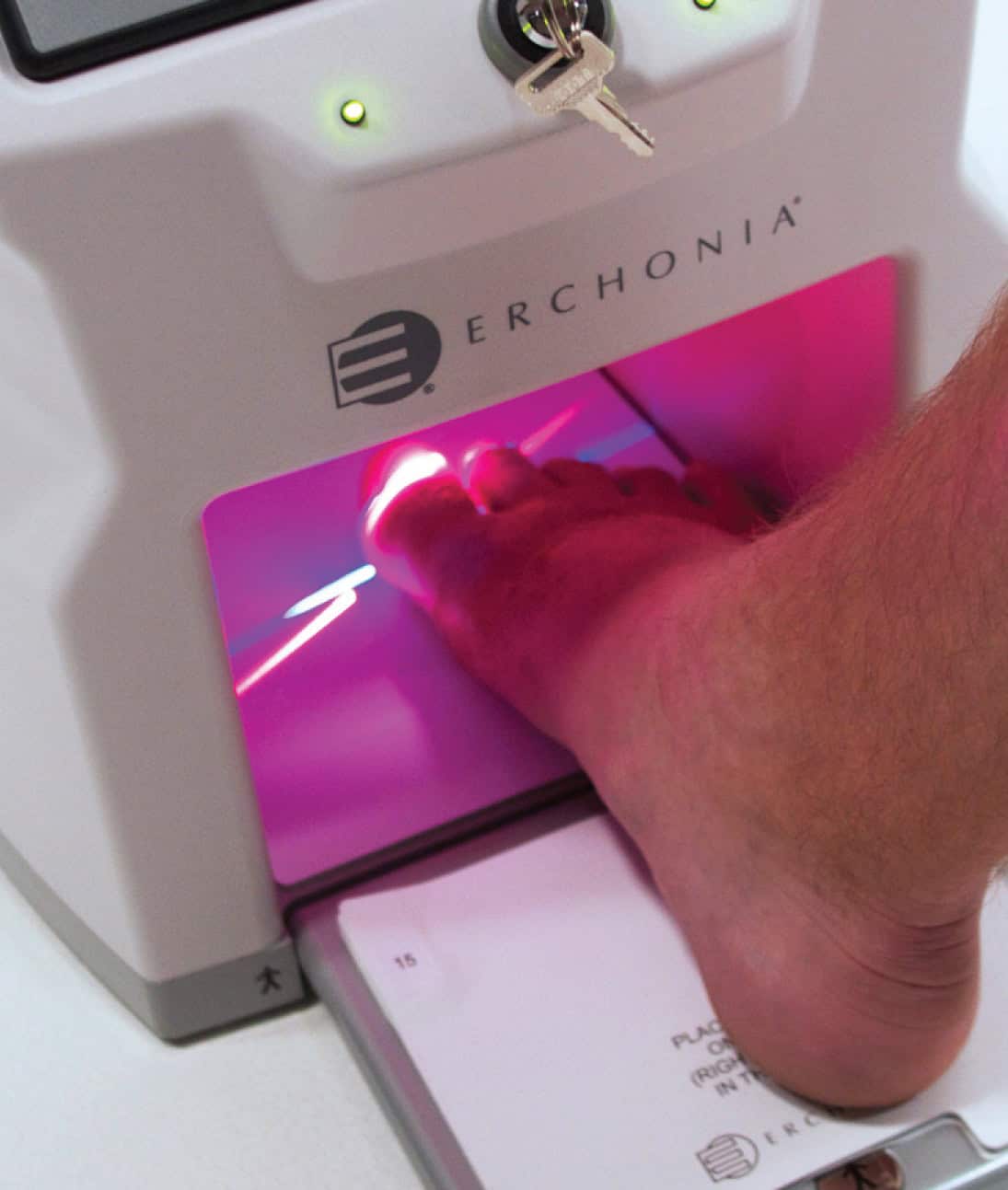
Lunula Laser is a non-invasive laser treatment used for fungal nail concerns.
It is designed to treat the nail without cutting, drilling, injections, local anaesthetic or surgical removal of the nail. During treatment, the foot is placed into the laser device so controlled laser light can be applied to the affected nails.
Lunula Laser is usually considered as part of a wider plan. This may include nail care, hygiene guidance and advice to reduce the chance of reinfection.
For some people with fungal toenail concerns, this treatment may be suitable, especially if they want to avoid oral antifungal tablets or have not responded to other options. Results vary from person to person, and no fungal nail treatment can guarantee complete clearance or prevent reinfection.
When might Lunula Laser treatment be helpful?
Lunula Laser may be worth considering if:
- You have signs of fungal nail infection
- Toenail fungus has not improved with self-care
- You want to avoid oral antifungal tablets
- Nail fungus treatment has not worked as expected
- The nail is thickened, crumbly or discoloured
- You are unsure whether the nail is fungal
- You want clinician-led fungal nail treatment
- The nail is difficult to manage at home
Some fungal nail concerns may need testing before treatment. Others may be better managed with nail reduction, topical treatment, hygiene guidance or medical treatment through your GP.
Stuart will explain what appears suitable after assessing the nail.
Is Lunula Laser suitable for everyone?
Lunula Laser may not be suitable for every patient or every fungal nail.
Please tell Stuart if you have:
- Diabetes
- Poor circulation
- Reduced sensation in your feet
- Immune system concerns
- Pregnancy
- Skin conditions around the nail
- Current antifungal medication
- Previous nail trauma
- Pain, bleeding or discharge
- Any uncertainty about the diagnosis
Suitability depends on your nail, symptoms, health, medical history and assessment findings.
If laser is not the most suitable option, Stuart will explain what other steps may be more appropriate.
What happens at a fungal nail assessment?
Your appointment is designed to assess the nail and understand whether fungal nail treatment may be suitable.
A fungal nail appointment may include:
- Nail assessment
- Discussion of symptoms and history
- Review of previous nail fungus treatment
- Checking for nail trauma or pressure
- Discussion of nail sampling where appropriate
- Nail reduction or preparation if suitable
- Lunula Laser treatment if appropriate
- Foot hygiene guidance
- Advice to reduce reinfection risk
- Follow-up planning where needed
Stuart will explain what he can see, whether the nail looks fungal and what treatment options may be suitable.
Nail testing and fungal nail diagnosis
A nail sample may be recommended if the diagnosis is uncertain or if the nail does not look like a straightforward fungal infection.
Testing can help confirm whether fungus is present. This can be useful before starting treatment, particularly when the nail changes could be caused by trauma, pressure, psoriasis or another skin or nail condition.
A nail sample is not always needed, but Stuart will explain whether it may be helpful in your case.
Other fungal nail treatment options
Fungal nail treatment depends on the nail, your health and what has already been tried. A plan may include:
- Lunula Laser treatment
- Nail reduction where appropriate
- Nail sample testing if needed
- Topical antifungal treatment
- Foot hygiene guidance
- Footwear and sock advice
- Advice to reduce reinfection
- Monitoring as the nail grows
- GP referral if oral antifungal medication may be needed
There is no single best nail fungus treatment for everyone. The right approach depends on whether the nail is fungal, how much nail is affected, your medical history and what treatment you feel comfortable with.
How to reduce reinfection risk
Fungal nail infections can return, especially if the surrounding skin, footwear or environment continues to expose the nail to fungus.
Helpful steps include:
- Keeping feet clean and dry
- Changing socks regularly
- Drying carefully between the toes
- Avoiding shared nail tools
- Treating athlete’s foot if present
- Rotating shoes where possible
- Avoiding repeated trauma from tight shoes
- Using breathable footwear
- Following treatment guidance carefully
These steps cannot guarantee prevention, but they help reduce avoidable reinfection risks.

When to seek prompt medical advice
Please seek prompt advice if a nail is painful, bleeding, weeping, lifting suddenly or changing quickly. Seek urgent medical help if you notice:
- Spreading redness
- Fever
- Pus
- A deep wound
- Severe pain
- Sudden swelling
- Signs of infection
- Skin colour change with diabetes or poor circulation
If you have diabetes and develop foot pain, a wound, skin colour change, swelling, warmth, redness or signs of infection, seek prompt medical advice.
Lunula Laser fungal nail treatment prices
- New patient appointment / assessment£145
- Lunula Laser£110
- PCR Dermoscopy / nail sample£65
- Follow-up appointment£110
Meet Stuart Hodder
Stuart Hodder is a Specialist Podiatrist and the clinical lead at Evolution Podiatry. He works with patients experiencing foot, ankle and lower-limb pain, helping them understand what may be contributing to their symptoms and what the most suitable next step is.
His approach is calm, practical and personal. Patients see Stuart for clear explanations, careful assessment and treatment planning that is shaped around their symptoms, movement, footwear, activity level and goals.
Stuart has a particular interest in lower-limb function, biomechanics, gait analysis, sports and exercise injuries, child development and alignment concerns. This means he often looks beyond the painful area itself. His work involves assessing concerns such as heel pain, Achilles pain, shin splints, flat feet, sports injuries, gait problems, children’s foot concerns and orthotic needs.

- Specialist Podiatrist and a member of the Royal College of Podiatrists
- HCPC registered (CH14453)
- Experienced in NHS and private practice
- Strong interest in biomechanics and gait analysis
- Runner and cyclist with personal experience of injury and rehabilitation
- Registered and works with insurance medical providers
Fungal nail treatment FAQs
- What is fungal nail treatment?
Fungal nail treatment aims to manage nail changes caused by fungal infection. Options may include laser treatment, topical antifungal treatment, nail reduction, nail testing, hygiene guidance or GP-prescribed medication where appropriate.
- What is Lunula Laser?
Lunula Laser is a non-invasive laser treatment used for fungal nail concerns. It may be considered as part of a wider treatment plan after assessment.
- Is toenail fungus the same as onychomycosis?
Yes. Onychomycosis is the medical term for a fungal nail infection. It is often used to describe toenail fungus or nail fungus.
- How do I know if I have a fungal nail infection?
Fungal nails may become thickened, crumbly, discoloured, brittle or lifted from the nail bed. Other nail problems can look similar, so assessment or nail testing may be needed.
- Will I need a nail sample?
Not always. A nail sample may be useful if the diagnosis is unclear or if testing would help guide treatment decisions.
- Does Lunula Laser hurt?
Lunula Laser is non-invasive and does not involve injections or nail removal. Stuart will explain what to expect before treatment begins.
- How long does fungal nail treatment take to work?
Visible improvement can take months because toenails grow slowly. The damaged nail has to grow out and be replaced by healthier nail where treatment is effective.
- Can I treat nail fungus at home?
Some people try pharmacy treatments first. These may help in some cases, but they are not suitable for everyone. If the nail is painful, worsening, difficult to identify or not improving, arrange an assessment.
- Can fungal nail come back?
Yes. Fungal nail infection can return, especially if reinfection risks are still present. Foot hygiene, footwear advice and treating athlete’s foot where present may help reduce this risk.
Podiatry clinics in London and Surrey
Evolution Podiatry provides specialist foot, ankle and lower-limb care across London and Surrey. Choose the clinic that is most convenient for you, then book an appointment or speak to the clinic if you are unsure which location or appointment type is most suitable.
Notting Hill, W10
Specialist Podiatry care at The Portobello Clinic in Notting Hill for patients across West London.Wimbledon, SW19
Foot and lower-limb assessment at the Legs for Life Clinic in Nuffield Health Parkside Hospital for patients across South West London.Woking, GU21
Podiatry appointments at Nuffield Health Woking Hospital for over 18 year olds across Surrey.
Book a fungal nail assessment
If a fungal nail infection is affecting the appearance, comfort or management of your toenails, an assessment can help clarify what is happening and which treatment options may be suitable.
Book an assessment with Stuart to understand whether Lunula Laser, nail testing or another fungal nail treatment route may be the right next step.