
Shin splints can be frustrating, especially when running is part of your routine, fitness or downtime. The pain may start as a mild ache along the shin, then become more noticeable as you continue training or increase your mileage.
The good news is that shin pain often responds best to a calmer, more structured approach rather than trying to push through it. Shin splints treatment usually involves reducing the load that is irritating the lower leg, looking at what may have changed in your training and building back towards running gradually.
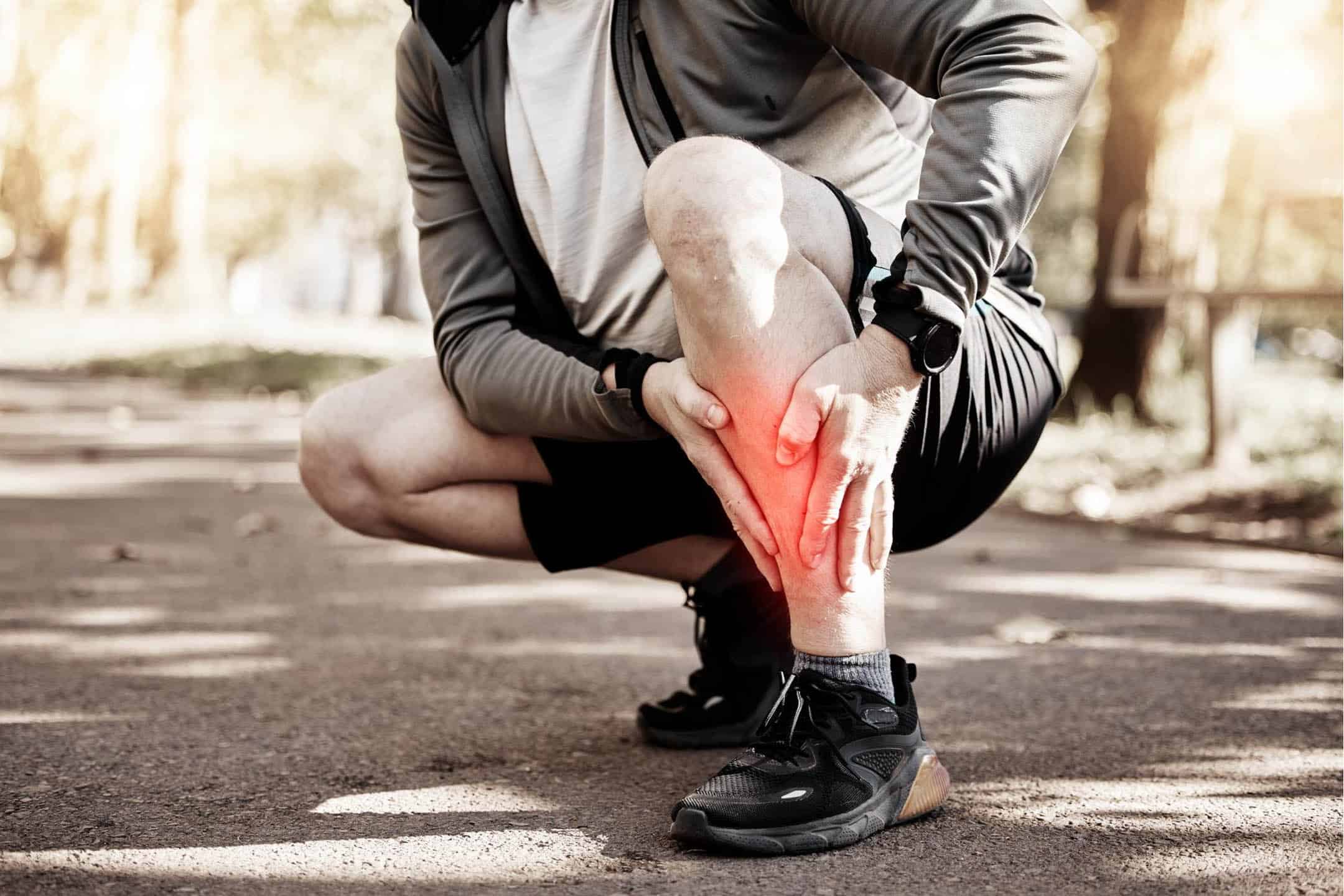
The clinical name often used for shin splints is medial tibial stress syndrome, or MTSS. This describes exercise-related pain and tenderness along the tibia – the shin bone – often on its inner edge. It is common in runners and in activities involving repeated impact, such as jumping sports.
What are shin splints?
Shin splints is a broad term for pain around the shin that tends to develop with repetitive loading. It often comes on after a change in running volume, pace, hills, surface or training frequency.
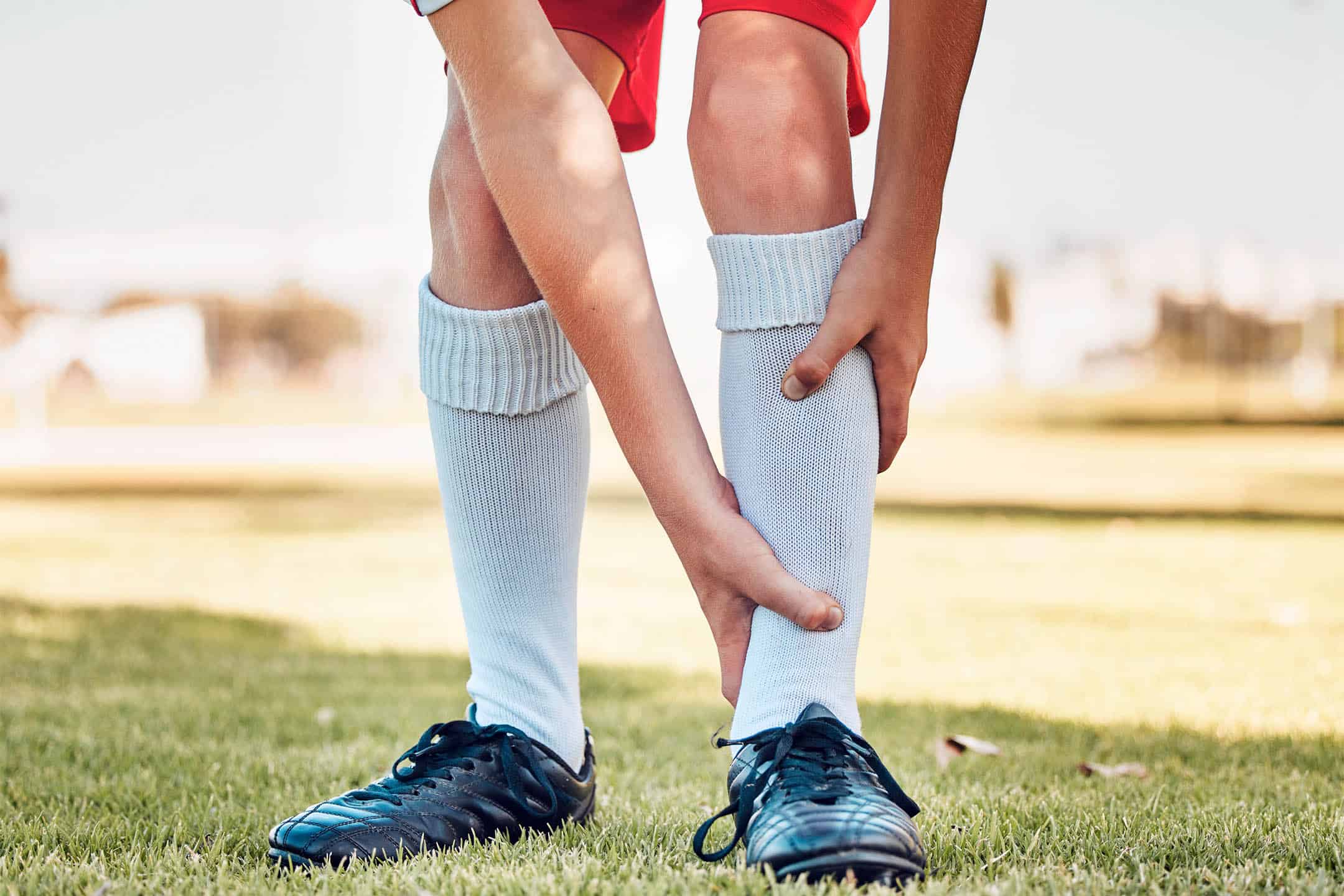
With medial tibial stress syndrome, the discomfort is commonly felt along a wider area of the inside of the lower shin rather than at one very precise point. It may be sore during a run, afterwards or when you press along the affected area.
Common symptoms can include:
- A dull ache or tenderness along the inside of the shin
- Pain that develops during running or impact exercise
- Symptoms that become more noticeable as training continues
- Shin pain after exercise or the following morning
- Discomfort that returns when you increase mileage, speed or hill work
Not every case of shin pain is shin splints. Pain in the lower leg can have several causes, so an assessment can help clarify what may be driving your symptoms.
For a fuller overview of symptoms and assessment, see our shin splints condition page.
What causes shin splints in runners?
Shin splints are usually not caused by one single issue. More often, the lower leg is being asked to absorb more load than it is currently prepared for.
A runner may feel fine for several weeks, then develop symptoms after a relatively small change. This is because the overall picture matters – not just one run.
-
A rapid increase in training load
A sudden jump in weekly mileage, running days, pace, hill sessions or interval training can increase the repeated stress placed through the shin.
This might happen when you:
- Return to running after time away
- Begin training for a race
- Add speed work or hills
- Start running more often
- Combine running with more walking, gym work or sport
- Increase activity without allowing enough recovery between sessions
The NHS advises avoiding a rapid return to the level of exercise that brought symptoms on and instead building activity back up slowly.
-
Changes in surface, terrain or footwear
Harder surfaces, uneven ground and a sudden increase in hill running can alter how force is distributed through the foot, ankle and lower leg.
Footwear can also matter. A shoe does not need to be labelled as a “running shoe” to be suitable, but it should be comfortable, appropriate for your activity and not excessively worn. A sudden change in shoe style, such as moving to a lower-profile model, may also alter loading patterns.
Our article on how footwear can affect foot and lower-limb pain explains why shoes are only one part of the wider picture.
-
How your foot and lower limb are loading
The way your foot, ankle, knee and hip move together may influence how force is managed when you run. Foot posture, calf capacity, ankle mobility, strength, running technique and overall movement control can all play a part.
This does not mean there is one “perfect” running style or that a particular foot shape automatically causes shin splints. It means recurring symptoms may be worth assessing in the context of your own running, training history and goals.
A gait analysis assessment may be useful where it can help identify patterns in the way you run that could be contributing to repeated overload.
-
Strength, mobility and recovery
The muscles of the foot, calf, lower leg, thigh and hip all help manage impact when you run. Reduced strength, fatigue or restricted movement in one area can change how the rest of the lower limb copes with load.
Sleep, nutrition, work demands, stress and recovery days can matter too. A training plan that looks manageable on paper may be too demanding if recovery has been limited.
How to get rid of shin splints – practical treatment principles
There is rarely a quick fix for shin splints. The fastest route back is usually not to force a return to running, but to allow symptoms to settle while addressing the factors that may have contributed.
Shin splints recovery time varies. Some people improve within a few weeks, while others need longer, particularly if symptoms have been present for some time or keep returning. A fixed timeline is less useful than looking at how your symptoms respond to everyday walking, exercise and gradual re-loading.
Reduce the aggravating load
Relative rest does not always mean doing nothing. It means temporarily reducing or stopping the activities that clearly aggravate the shin, while choosing movement that your symptoms tolerate.
Depending on your symptoms, this may include:
- Pausing running for a period
- Reducing distance, pace, hills or impact sessions
- Avoiding back-to-back hard running days
- Choosing lower-impact exercise, such as cycling, swimming or cross-training, where comfortable
- Returning to impact exercise in stages rather than resuming your previous training level
Avoid pushing through pain that is worsening during a run, continuing afterwards or becoming more localised.
Review shoes and training changes
Think back over the few weeks before symptoms began. Have you changed your shoes, route, terrain, running group, race goal or gym routine? Have you introduced more hills, speed work or longer runs?
A footwear review can be useful, but shin splints are rarely solved by simply buying a different pair of trainers. The more important question is whether your shoes, training and lower-limb capacity are working well together.
Build strength and movement capacity
Shin splints stretches can feel useful if calf tightness is part of the picture, but stretching alone is unlikely to address every cause of shin pain.
A rehabilitation programme may include mobility work and progressive strength exercises for the calf, foot, ankle, hip and trunk. The right focus depends on your assessment findings, activity level and what your body currently tolerates.
Consider support where appropriate
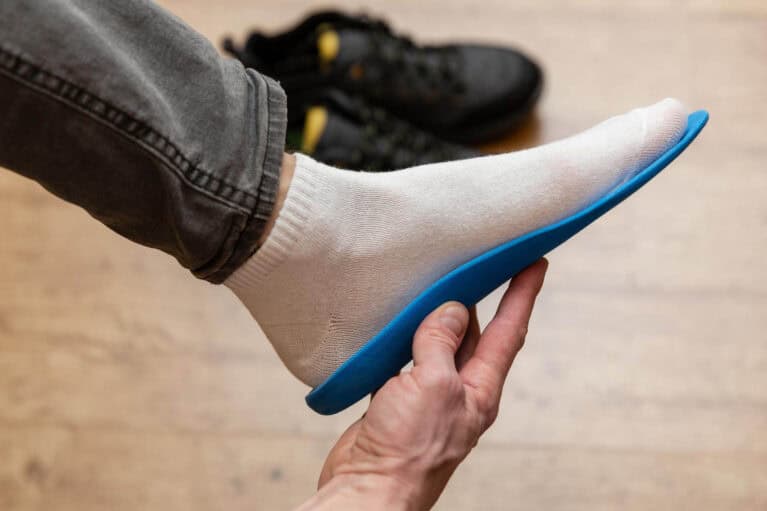
Some runners may benefit from changes to footwear, temporary offloading strategies or foot orthoses. Orthoses are insoles designed to support how the foot functions. They are not necessary for everyone and should be considered as part of a broader treatment plan rather than a standalone solution.
Should you keep running with shin splints?
If shin pain is increasing during your run, lingering afterwards or becoming worse from week to week, continuing as normal is unlikely to be helpful.
A short period away from running or a substantial reduction in training may be needed. This does not mean you have failed or lost all your fitness. It can create space to let symptoms settle, maintain fitness in other ways where appropriate and rebuild capacity more safely.
The important point is not to use painkillers, taping or a temporary reduction in discomfort as a reason to continue loading the area beyond what it can tolerate.
A staged return-to-running framework
Return to running should be guided by symptoms and function, not a rigid calendar date. Sports medicine guidance supports a gradual, criteria-led return to participation rather than an all-or-nothing decision about being “back” or “not back”.
A sensible framework may look like this:
Stage 1 – Settle symptoms and maintain general fitness
The priority is to reduce activities that provoke shin pain. Comfortable walking and low-impact exercise may be appropriate for some people, depending on symptoms.
Stage 2 – Restore capacity
Once everyday activities are comfortable, the focus may shift towards building calf, foot and lower-limb strength, improving mobility where needed and reviewing the factors that led to the original overload.
Stage 3 – Reintroduce impact gradually
A return may begin with short, manageable running exposures, sometimes using a walk-run format. The aim is to see how the shin responds during activity, later that day and the following morning.
Stage 4 – Progress one variable at a time
Distance, frequency, pace, hills and speed work are all forms of load. It is usually more manageable to progress one of these at a time rather than increasing everything together.
Stage 5 – Return to performance goals
Easy running may return before longer runs, hills, intervals or race training. Building back to your previous level may take longer than simply completing a short run without pain.
If symptoms return as you progress, that is useful information. It may mean the load has increased too quickly or another contributing factor needs more attention. It does not necessarily mean you are back at the beginning.
How to prevent shin splints from coming back
Preventing recurrence is about making your training more sustainable for your current level of fitness and capacity.
Helpful principles include:
- Increase training gradually, particularly after a break
- Build rest and easier days into your week
- Introduce hills, speed work and longer runs progressively
- Replace footwear when it is no longer comfortable or supportive for your needs
- Include regular strength work for the calves, feet, hips and lower limb
- Pay attention to recurring pain rather than repeatedly running through it
- Review your running pattern and load if symptoms keep returning
A sports podiatry assessment can help bring these factors together. Stuart Hodder can review your running history, footwear, lower-limb strength, foot posture and gait where appropriate, then explain practical next steps around your goals.
When shin pain needs assessment
Persistent shin pain should not automatically be assumed to be shin splints.
Focal pain in one small, specific spot on the bone, especially if it is persistent, worsening or painful with hopping or walking, may need assessment to rule out a tibial bone stress injury or stress fracture. Stress fractures can develop with repetitive activity such as running and may require a different management plan.
Book an assessment if:
- Shin pain is affecting your walking, running or day-to-day activity
- Symptoms keep returning when you increase training
- Pain is becoming more localised or more severe
- You have tried sensible load reduction but symptoms are not improving
- You are unsure whether it is safe to return to running
Seek urgent medical help if you have severe pain after an injury, cannot walk, notice sudden deformity, have spreading redness, fever, pus, a deep wound or signs of infection.
How Stuart can help with shin splints
Stuart Hodder is a Specialist Podiatrist and clinical lead at Evolution Podiatry. He has experience in foot, ankle and lower-limb pain, with particular interests in biomechanics, gait analysis and sports injuries. A running injury assessment can include discussion of your symptoms, running history, recent training changes, footwear, surfaces, foot posture, lower-limb strength and flexibility. Gait analysis may be included where it could help explain how you are loading when you run. Available in Notting Hill, Wimbledon and Woking, Surrey. Your assessment will guide the next step, whether that involves load management, footwear advice, strength and mobility guidance, orthoses where appropriate or referral for further investigation.
Shin Splints FAQs
- What is the fastest way to get rid of shin splints?
The fastest approach is usually to stop aggravating the area, reduce impact load and identify why the symptoms developed. Trying to run through worsening shin pain can delay recovery. A gradual return is usually more helpful than resting briefly then returning to your previous training level.
- How long do shin splints take to heal?
Recovery time varies. Some cases settle within a few weeks, while persistent or recurrent symptoms can take longer. Your return to running should be based on how the shin responds to walking, exercise and progressive loading rather than a fixed number of days.
- What stretches help shin splints?
Calf stretches and ankle mobility work may feel helpful for some runners, particularly where tightness is contributing to lower-leg load. They are unlikely to be a complete treatment on their own. Strength, training load and running progression should also be considered.
- Can foot orthoses help shin splints?
Foot orthoses may be considered where assessment suggests they could support foot function, comfort or your activity goals. They are not needed for everyone and are usually most useful alongside appropriate load management and rehabilitation.
Book a running injury assessment
If shin pain is limiting your running or keeps returning when you try to build back up, arrange a sports podiatry or gait assessment with Stuart Hodder. You will receive a clear assessment of what may be driving your symptoms and practical guidance for your next steps towards more comfortable movement.
This information is general guidance and does not replace a clinical assessment. If your symptoms are severe, worsening or you are concerned, please seek appropriate medical advice.