
A burning, sharp or tingling feeling in the ball of your foot can be unsettling, especially when it appears during walking, running or wearing certain shoes. One possible cause is Morton’s neuroma, a common source of pain around the toes and forefoot.
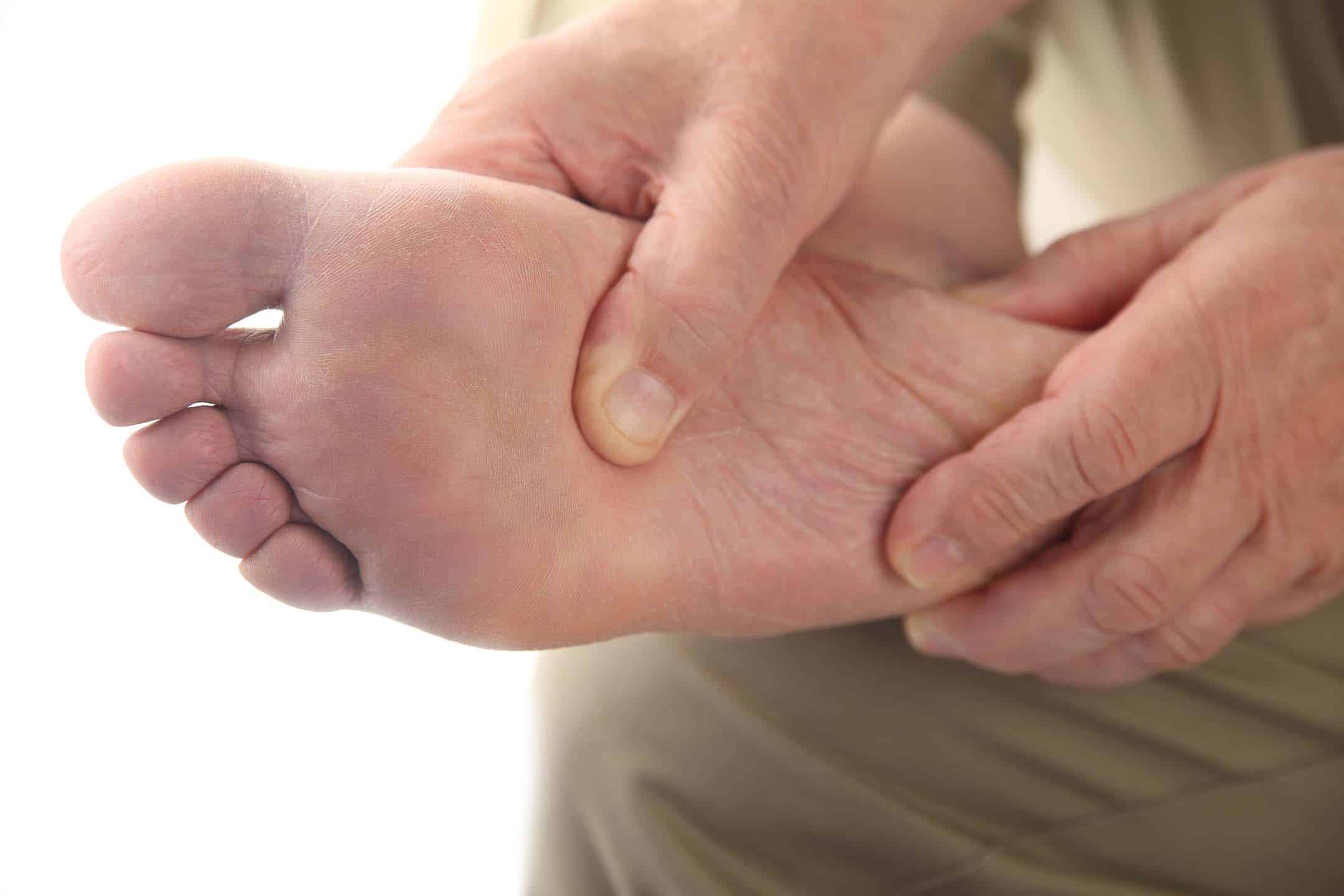
The symptoms can vary. Some people describe a hot or burning pain, while others feel as though there is a small stone, fold in their sock or lump beneath the front of the foot. Symptoms often become more noticeable in tight, narrow or high-heeled shoes.
Morton’s neuroma is not the only possible cause of forefoot pain. A clear podiatry assessment can help identify what may be driving your symptoms and guide the most suitable next steps.
What is Morton’s neuroma?
Morton’s neuroma involves irritation or thickening around one of the small nerves that runs between the bones in the ball of the foot. It most often affects the area between the third and fourth toes, although it can develop elsewhere in the forefoot.
The word ‘neuroma’ can sound worrying, but it does not usually mean a tumour. In this context, it describes a nerve that has become irritated and enlarged due to repeated pressure or friction.
When the nerve is compressed, it can send pain signals into the ball of the foot and toes. This is why symptoms may feel burning, sharp, shooting or electric.
Morton’s neuroma symptoms
Morton’s neuroma symptoms can come and go, particularly in the earlier stages. They may become more persistent if the nerve remains irritated.
Common symptoms include:
- Burning pain in the ball of the foot
- Sharp or shooting pain near the toes
- Tingling, pins and needles or numbness in the toes
- Pain between the toes, often between the third and fourth toes
- A feeling of standing on a small stone or a fold in your sock
- Symptoms that are worse in tight, narrow or high-heeled shoes
- Forefoot pain when walking, running or standing for longer periods
- Relief when shoes are removed or the foot is rubbed
Not everyone experiences every symptom. Pain in the ball of the foot can also be linked to other problems, including joint irritation, stress injury, skin lesions or changes in forefoot structure. This is why it is important not to rely on symptoms alone for a diagnosis.
Why does Morton’s neuroma cause burning?
Nerves carry messages between the body and brain. When a nerve in the forefoot is repeatedly compressed or irritated, it can become more sensitive. This may create burning, tingling, shooting or numb sensations, even though there may be little to see from the outside.
The burning feeling may be more noticeable when the forefoot is under pressure. This could be during walking, running, pushing off through the toes or wearing footwear that squeezes the front of the foot.
Symptoms may settle for a while when pressure is reduced, then return when the same loading pattern continues.
What may contribute to Morton’s neuroma?
Morton’s neuroma is often linked to repeated pressure across the ball of the foot. There is not always one single cause. Several factors may contribute, including:
- Tight or narrow shoes that compress the toes and forefoot
- High heels, which can shift more body weight towards the ball of the foot
- Running or sports that involve repeated forefoot loading
- A recent increase in walking, running or standing
- Foot shape or toe position
- Bunions or other changes affecting the front of the foot
- Flat feet or high arches
- The way your foot and lower limb are loading as you walk or run
Footwear is often part of the picture, but it is not always the whole story. Your activity levels, foot posture, movement and the way you distribute pressure through the forefoot can all be relevant.
What can you try if your forefoot is burning?
If your symptoms are mild and you are otherwise well, reducing pressure on the forefoot may be helpful in the short term.
You may find it useful to:
- Choose shoes with a wider, deeper toe box
- Avoid shoes that feel tight across the ball of the foot
- Limit high-heeled footwear while symptoms are active
- Reduce or modify activities that clearly aggravate the pain
- Avoid pushing through worsening symptoms
- Make a note of when symptoms occur, which shoes you are wearing and what activity brings them on
These steps may help reduce irritation, but they do not confirm the cause of your pain. If symptoms persist, return regularly or affect your normal activity, assessment is recommended.
When should you see a podiatrist?
Consider booking an assessment if:
- Forefoot pain is affecting walking, running, work or exercise
- You have tingling, numbness or altered sensation in the toes
- The burning feeling keeps returning
- Changing shoes has not helped
- Symptoms are becoming more frequent or severe
- You are unsure whether your pain is Morton’s neuroma or something else
- You have diabetes and develop foot pain, a wound, skin colour change, swelling, warmth, redness or signs of infection
Seek urgent medical help if you have severe pain after an injury, cannot walk, notice sudden deformity, have spreading redness, fever, pus, a deep wound or signs of infection.
How podiatry assessment can help
A podiatry assessment looks beyond the painful spot alone. Stuart will discuss your symptoms, activity, footwear and any changes that happened before the pain started.
Assessment may include:
- Examining the forefoot and toes
- Identifying where symptoms are most noticeable
- Reviewing your footwear
- Assessing foot posture and how the foot is loading
- Looking at lower-limb movement
- Gait analysis, where appropriate, to assess the way you walk or run
- Discussing whether imaging or referral may be useful
This helps clarify whether Morton’s neuroma is a likely cause of your symptoms or whether another source of forefoot pain needs to be considered.
What are the treatment options for Morton’s neuroma?
Treatment recommendations depend on your symptoms, health, activity level and assessment findings. Stuart will explain whether any option is suitable for you before treatment begins.
A treatment plan may include:
- Footwear advice to reduce pressure across the forefoot
- Padding or offloading to spread pressure away from the irritated area
- Advice on modifying activity while symptoms settle
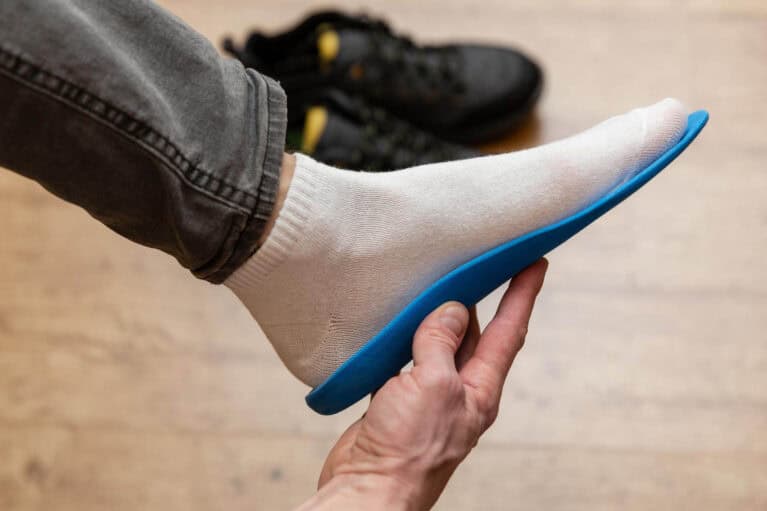
- Foot orthoses, where appropriate, to support how the foot functions and reduce unwanted pressure
- Guidance around running, walking or other activities that may be contributing
- Referral for imaging or further treatment if needed
Treatment does not work in the same way for everyone. Some people need more than one appointment, particularly where symptoms have been present for some time or several factors are contributing to forefoot pressure.
If a specialist procedure or further investigation may be appropriate, this can be discussed as part of your wider treatment plan.
Morton's Neuroma FAQs
- Can Morton’s neuroma go away on its own?
Symptoms may improve when pressure on the nerve is reduced, particularly if footwear or activity are contributing. Persistent or recurring symptoms are worth assessing, as early practical changes may help prevent continued irritation.
- Can shoes make Morton’s neuroma worse?
Tight, narrow and high-heeled shoes can increase pressure across the ball of the foot and may aggravate symptoms. A footwear review can help identify whether your shoes are contributing.
- Do I need a scan for Morton’s neuroma?
Not always. Your symptoms and clinical examination may provide useful information. Imaging may be discussed if the diagnosis is unclear, symptoms are persistent or further treatment is being considered.
- Are orthoses helpful for Morton’s neuroma?
Orthoses may be helpful for some people where pressure distribution or foot function appears to be contributing. They are not needed in every case and should be recommended following assessment.
Get clear answers about forefoot pain
Burning, tingling or a stone-in-the-shoe sensation can make every step less comfortable. An assessment can help clarify whether Morton’s neuroma or another cause may be driving your forefoot pain.