
Gait analysis is an assessment of the way you walk or run. It can help identify movement patterns, uneven loading or changes in how your feet and lower limbs work that may be contributing to pain, recurring injury or reduced comfort when moving.
It is not simply a case of watching you walk across a room. A useful gait assessment considers your symptoms, activity levels, footwear and the way your body manages force with each step.
For runners, gait analysis can provide helpful context when injuries keep returning. It can also be useful for people with foot, ankle, knee, hip or lower-back symptoms that seem to be affected by walking, standing or exercise.
Stuart Hodder, Specialist Podiatrist and clinical lead at Evolution Podiatry, offers gait and biomechanical assessments for patients in Notting Hill, Wimbledon and Woking, Surrey. The aim is to help you understand what may be driving your symptoms, then guide practical next steps.
What is gait analysis?
Your gait is your walking or running pattern. Gait analysis looks at how your foot lands, how your ankle, knee and hip move and how your body absorbs and transfers force as you move.
Small differences in movement are common and are not always a problem. However, changes in gait, uneven loading or a movement pattern that places repeated stress on one area may be relevant if you have pain, recurrent injuries or feel that one side is working differently from the other.
Gait analysis may help highlight factors such as:
- How your foot moves as it contacts the ground
- How weight moves through your foot and lower limb
- Differences between the left and right side
- Foot posture and alignment
- The effect of footwear on your movement
- Changes in your walking or running pattern caused by pain, stiffness or weakness
- Areas that may be working harder during activity
The findings are considered alongside a clinical assessment. Gait analysis alone cannot always explain exactly why pain has developed, but it can be a useful part of building a clearer picture. Evolution Podiatry’s gait analysis service assesses how the foot and lower limb move under load, alongside symptoms, footwear and activity history.
What happens during a gait analysis appointment?
Your appointment begins with a conversation about your symptoms, daily activity and any sport or exercise you do. Stuart may ask when the problem started, what makes it worse or better and whether you have had previous injuries or treatment.
The assessment may include:
- A review of your walking or running history
- Discussion of your current training, work or activity levels
- Examination of your foot posture and lower-limb alignment
- Checks of relevant joint movement, muscle strength and flexibility
- Observation of how you walk or run
- Video gait analysis where appropriate
- Review of your everyday shoes and running shoes
- A clear explanation of the findings in plain English
If you run, bring your current running shoes. It can also be helpful to bring the shoes you wear most often day to day, particularly if symptoms occur during work, walking or standing.
Some parts of the assessment may reproduce your usual symptoms slightly. This can help Stuart understand what is happening, and he will explain what he is assessing as you go.
Who may benefit from gait analysis?
Gait analysis is not only for runners. It may be useful when symptoms appear to be linked to the way you walk, run or load your feet and lower limbs.
Runners with recurring injuries
Running gait analysis can be helpful if you repeatedly develop discomfort during training or find that the same injury returns when you increase your mileage, pace or intensity.
Common reasons runners seek an assessment include:
- Foot pain when running
- Heel or arch pain
- Achilles pain or stiffness
- Shin pain
- Recurrent ankle problems
- Knee or hip discomfort
- Symptoms that develop after a change in training, terrain or footwear
A gait assessment does not provide a single ‘perfect’ running style. Instead, it looks at how you currently run, how your lower limb is managing load and whether any findings may be relevant to your symptoms and goals.
If sport or exercise is affecting your comfort, sports podiatry may also be relevant. Stuart can consider your training load, footwear, movement and recovery alongside the specific area that is painful.

People with walking-related pain
You may not run at all but still notice pain during everyday movement. Gait analysis may be considered if foot, ankle or lower-limb symptoms are affecting walking, standing, commuting or day-to-day activity.
It can be useful for people with:
- Ongoing foot or ankle pain
- Heel pain or plantar fasciitis
- Pain in the shin, knee, hip or lower back that may relate to lower-limb loading
- Flat feet or high arches with symptoms
- A feeling that one foot or leg moves differently
- Recurring pain that has not improved with sensible self-care
- Concerns about whether footwear is supporting comfortable movement
Pain is not always caused by the painful area alone. The way the foot and lower limb move can sometimes place extra strain elsewhere, which is why looking at the whole movement pattern can be helpful.
People considering orthoses
Orthoses are insoles designed to support how your foot functions. They are not needed by everyone, and they should not be treated as a one-size-fits-all solution.
Where appropriate, gait findings may contribute to a discussion about foot orthoses, footwear or other ways to support comfort and activity. Stuart will only recommend orthoses if the assessment suggests they may be useful for your symptoms, foot function and activity goals.
Gait analysis vs biomechanical assessment – what is the difference?
Gait analysis and a biomechanical assessment are closely related, but they are not exactly the same.
Gait analysis focuses on movement while you walk or run. It looks at how your body moves under load, including the way your foot lands, how your leg moves and how force is managed with each step.
A biomechanical assessment is broader. Biomechanics means how your feet, legs and body move together. This type of assessment may include gait analysis, as well as checks of foot posture, joint movement, muscle strength, flexibility, lower-limb alignment and footwear.
In simple terms:
- Gait analysis looks closely at your movement pattern
- A biomechanical assessment looks at the wider factors that may influence that movement pattern
- Both can help clarify what may be contributing to symptoms
- Your assessment will guide whether one or both are useful
For many people, gait analysis forms part of a biomechanical assessment rather than being a completely separate process. This wider approach helps ensure that treatment recommendations are based on more than video footage or a single observation.
Can gait analysis help with injury?
Gait analysis may help identify patterns that are relevant to an injury, but it does not diagnose every cause of pain or guarantee a particular outcome.
For example, a runner with recurring shin pain may have recently increased training volume, changed running shoes or altered their route. Their gait may also show a loading pattern worth considering. Looking at all of these factors can help guide a more practical plan.
Depending on your assessment findings, next steps may include:
- Advice on modifying activity or training load
- Footwear guidance
- Strength or mobility guidance
- Rehabilitation planning
- Orthoses where appropriate
- Further investigation or referral if needed
Treatment recommendations depend on your symptoms, health, activity level and assessment findings. Stuart will explain whether any option is suitable for you before treatment begins.
Is gait analysis worth it for runners?
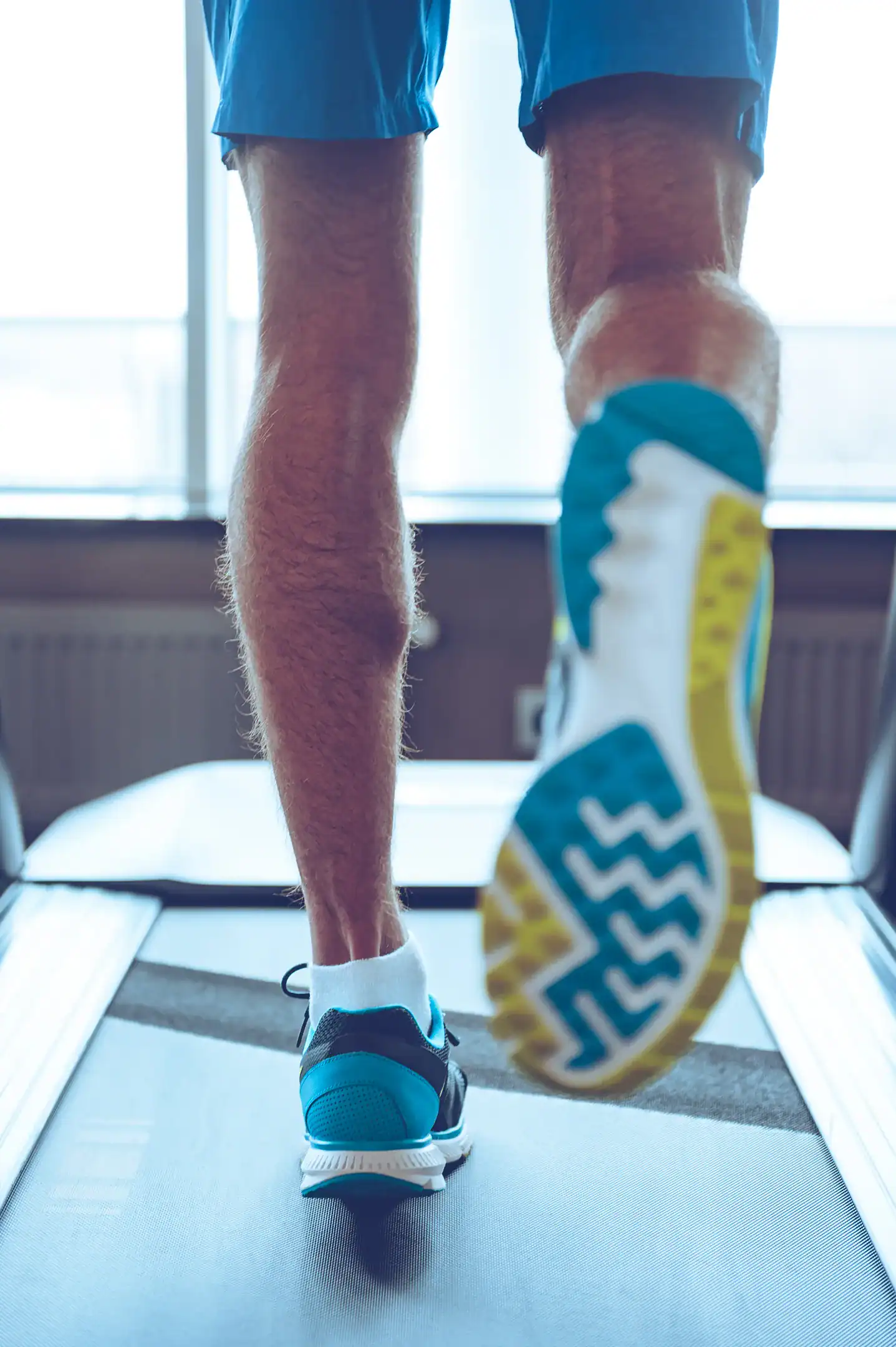
Gait analysis may be worthwhile for runners who have recurring injuries, pain that affects training or questions about how their movement and footwear may be influencing comfort.
It may be less useful if you are running comfortably, progressing gradually and have no ongoing symptoms or concerns. Not every runner needs an assessment simply because they run.
The value comes from using the findings in context. A gait assessment is most helpful when it connects your movement pattern with your symptoms, training history, footwear and goals, rather than focusing on one isolated feature of your running style.
When should you arrange an assessment?
Consider booking an appointment if pain is affecting how you walk, run or exercise, keeps returning, is getting worse or has not improved with sensible self-care.
Seek urgent medical help if you have severe pain after an injury, cannot walk, notice sudden deformity, have spreading redness, fever, pus, a deep wound or signs of infection.
This information is general guidance and does not replace a clinical assessment. If your symptoms are severe, worsening or you are concerned, please seek appropriate medical advice.
How Evolution Podiatry can help
Stuart combines gait analysis with a careful assessment of your symptoms, footwear, foot posture and lower-limb function. As a runner and cyclist, he also understands the practical frustrations of injury, reduced training and uncertainty about what to do next.
The focus is not on changing the way you move for the sake of it. It is on understanding what may be driving your symptoms and creating a practical plan that fits your activity and goals.
To find out more, visit the gait analysis service or arrange a sports podiatry assessment.
FAQs
- What is video gait analysis?
Video gait analysis involves recording walking or running so movement can be reviewed more closely. It may help show patterns that are difficult to assess in a brief observation. Video is only one part of a wider clinical assessment.
- Do I need gait analysis if I am not a runner?
Possibly. Gait analysis can be useful for people with walking-related foot, ankle or lower-limb symptoms, recurring problems or concerns about how they are moving.
- Will gait analysis tell me exactly why I have pain?
Not always. It may identify movement or loading patterns that could be relevant, but Stuart will combine this information with your symptom history, clinical examination and footwear review.
- Will I need orthoses after gait analysis?
Not necessarily. Orthoses may be discussed where appropriate, but they are not needed by everyone. Your assessment findings will guide the next step.
- What should I bring to a gait assessment?
Bring the shoes you wear most often. If you run or play sport, bring your current running or sports shoes. Previous scan reports, referral letters or details of earlier treatment can also be helpful.
Book a gait or biomechanical assessment
If pain, recurring injury or a change in your movement is affecting your daily life or sport, a clear assessment can help you understand what may be driving it.
Book a gait analysis assessment with Stuart Hodder at Evolution Podiatry in Notting Hill, Wimbledon or Woking, Surrey.