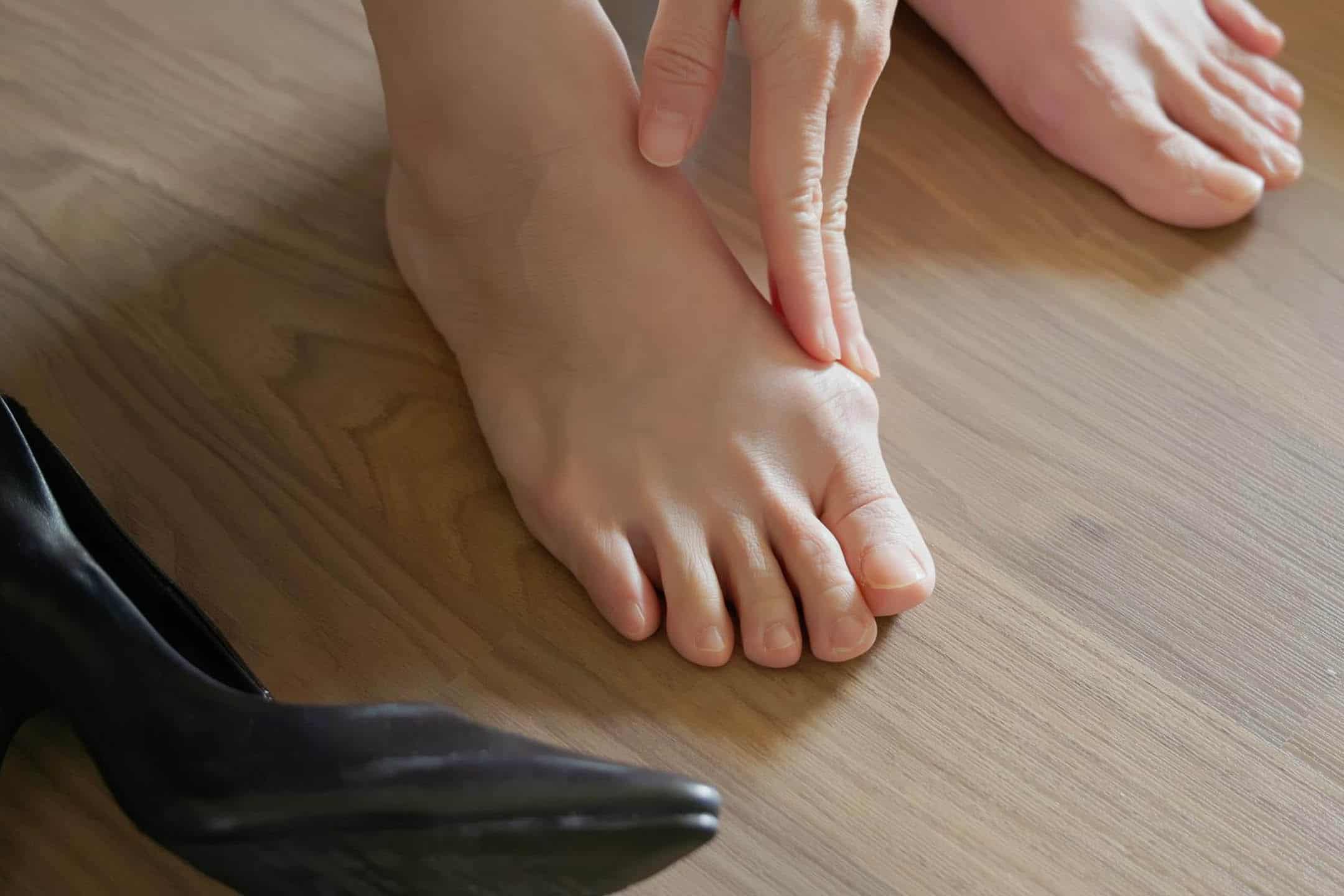

If you have a bunion, it is understandable to want to avoid surgery. The good news is that bunion treatment without surgery may help manage pain, rubbing and pressure around the joint.
The honest answer, however, is that non-surgical treatment does not usually straighten the big toe or remove the bony prominence of an established bunion. Conservative care is instead focused on helping you feel more comfortable in footwear, reducing irritation and understanding what may be contributing to your symptoms.
A bunion assessment with Stuart Hodder can help clarify how your foot and lower limb are loading, whether footwear is aggravating the area and which practical options may be worth considering first.
What is a bunion?
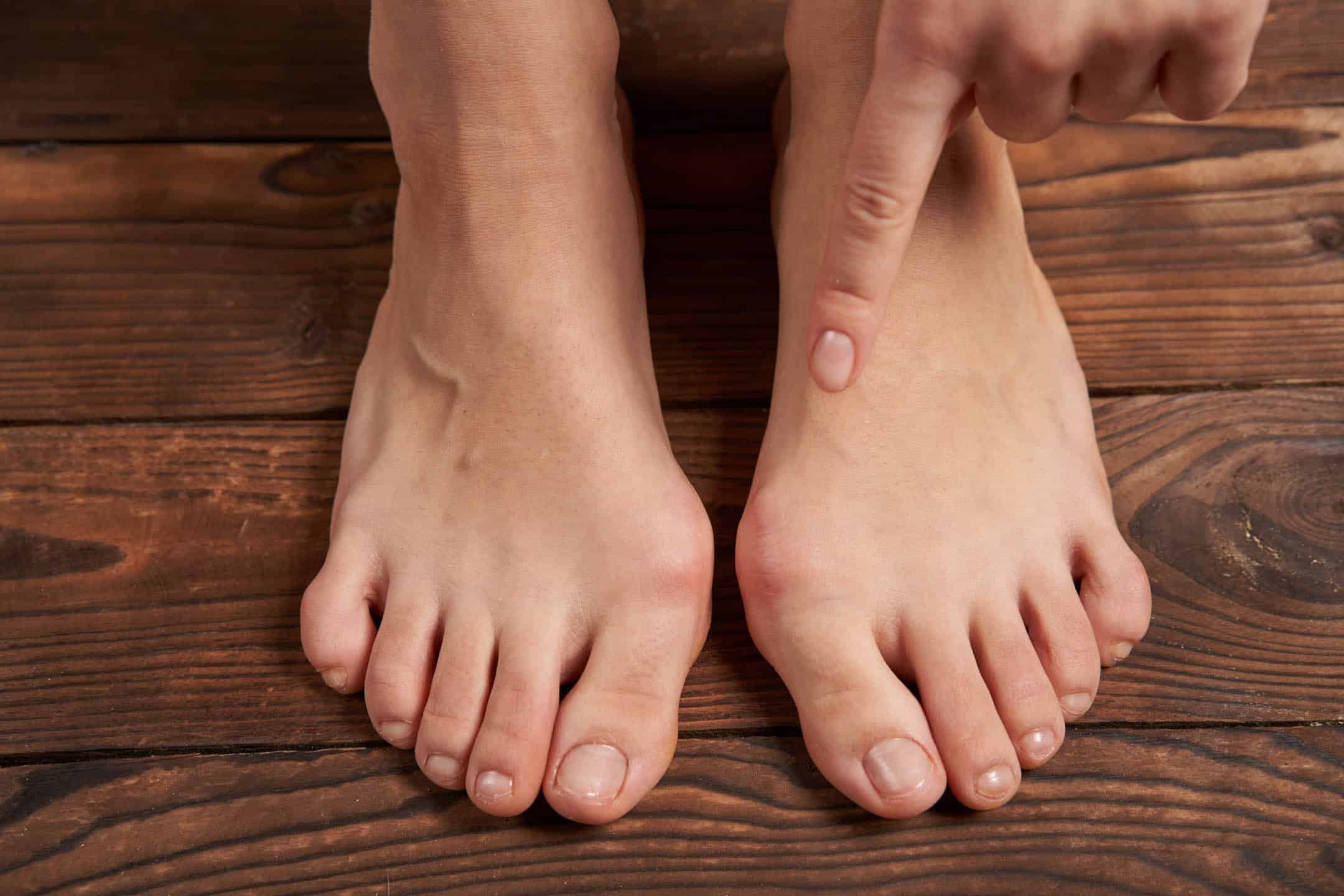
A bunion is not simply a bump that develops on the side of the foot. It is a change in the alignment of the big toe joint, medically known as hallux valgus.
As the big toe moves gradually towards the smaller toes, the joint at its base can become more prominent on the inside of the foot. This can change how the front of the foot fits into shoes and how pressure moves through the toes and ball of the foot during walking.
Some people have a visible bunion with little or no discomfort. For others, it may be linked with:
- Pain, aching or tenderness around the big toe joint
- Rubbing, redness or swelling in shoes
- Hard skin or corns around the joint or beneath the ball of the foot
- The big toe pressing against the second toe
- Difficulty finding comfortable footwear
- Discomfort when walking, standing, running or exercising
Bunions may be linked to foot shape, family tendency, joint mechanics, arthritis, footwear and the way the foot loads during movement. Tight or narrow shoes are unlikely to be the only reason a bunion develops, but they can make an existing bunion more painful.
For more information about symptoms, causes and assessment, visit our Bunions and bunion treatment page.
Can bunions be reversed without surgery?
Not usually.
A bunion involves a structural change around the big toe joint. Non-surgical bunion treatment cannot reliably reverse that change, permanently straighten the toe or make the bony prominence disappear.
This means it is sensible to be cautious about products that claim to fix bunions naturally, shrink the bump or correct the toe without surgery. Creams, exercises, toe spacers and splints may have a role in managing comfort for some people, but they should not be presented as a permanent correction.
Research into non-surgical care is still limited. A systematic review of 18 studies found low-certainty evidence overall. Pain reduction appeared more likely than a meaningful improvement in bunion angle or toe position.
That does not mean conservative treatment is not worthwhile. If your main concern is bunion pain, rubbing in shoes or recurring hard skin, a practical treatment plan may help reduce the day-to-day impact of the problem.
Non-surgical bunion treatment options that may help
The right approach depends on your symptoms, health, activity level, footwear needs and assessment findings. You do not need to decide on a treatment before booking. Your assessment will guide the next step.
Footwear changes
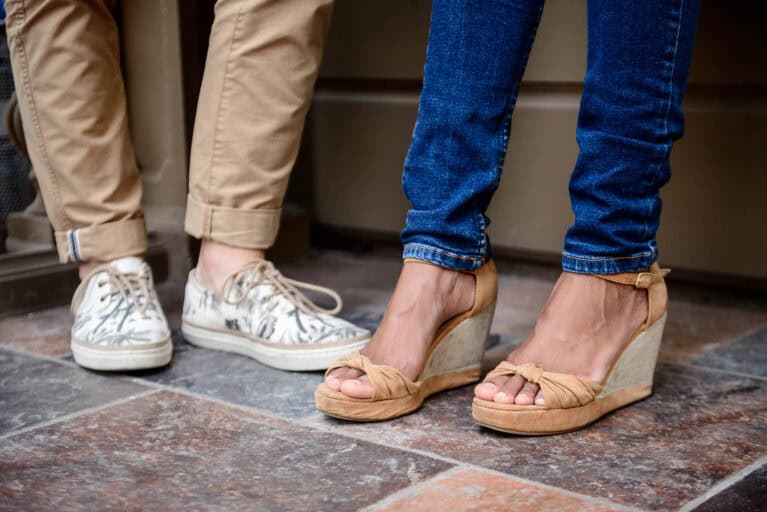
Footwear is often one of the most useful places to start. A shoe that presses directly against the bunion can increase rubbing, tenderness and swelling around the joint.
Shoes may be more comfortable when they have:
- Enough width through the toe area
- Adequate depth over the front of the foot
- A softer upper that does not press firmly on the bunion
- A secure fit around the heel and midfoot
- A lower heel where practical for your lifestyle
The aim is not simply to find the widest shoe available. Footwear needs to suit the shape of your foot, the activities you do and the support you need. A shoe that is too loose can also lead to friction and instability.
Padding and pressure relief
Bunion pads, gel sleeves and other protective coverings may help reduce rubbing between the joint and the inside of the shoe. They can be useful where friction is the main source of discomfort.
Padding should fit comfortably inside your usual footwear. If it makes the shoe feel tighter, causes numbness or creates a new pressure point, it may not be suitable.
Bunions can also be associated with hard skin and corns. These often develop where repeated pressure or rubbing occurs. Podiatry treatment may help manage these areas while also addressing why they keep returning.
Foot orthoses
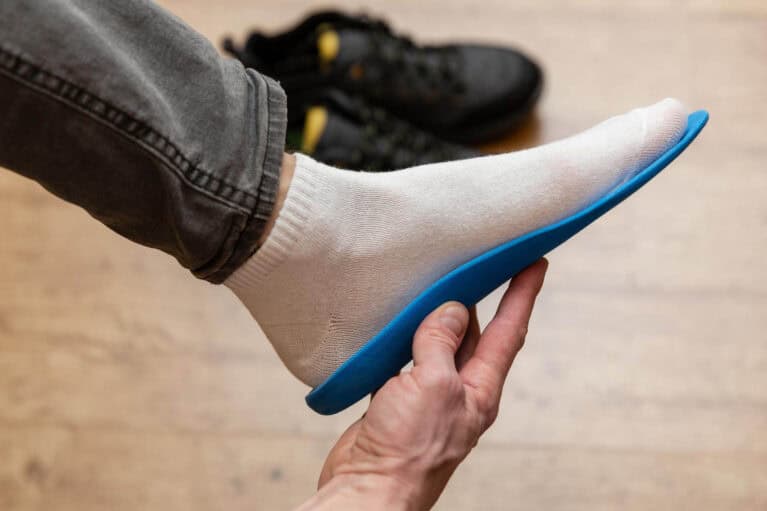
Foot orthoses are prescription insoles designed to support how the foot functions. They are not simply generic insoles or arch supports.
Where appropriate, orthoses may help redistribute pressure, support foot function or reduce strain during walking and activity. They do not remove a bunion or straighten the big toe, but they may be considered if your assessment suggests that foot loading is contributing to your symptoms.
Stuart will only recommend foot orthoses where they may be useful for your symptoms and goals. They may need a gradual wearing-in period and sometimes require review or adjustment. Symptom management
A change in walking, standing, running or exercise can make a bunion more noticeable. You may not need to stop all activity, but a review of what aggravates your symptoms can help guide sensible adjustments.
This may include looking at:
- Recent changes in walking, running or training volume
- Footwear used for work, exercise and day-to-day life
- Whether hills, long periods of standing or certain movements aggravate symptoms
- Pain beneath the ball of the foot or in the smaller toes
- How your foot and lower limb are loading when you walk, run or move
A biomechanical assessment may be helpful where a closer review of movement, foot posture and lower-limb loading could inform your treatment plan.
Do bunion correctors and splints actually work?
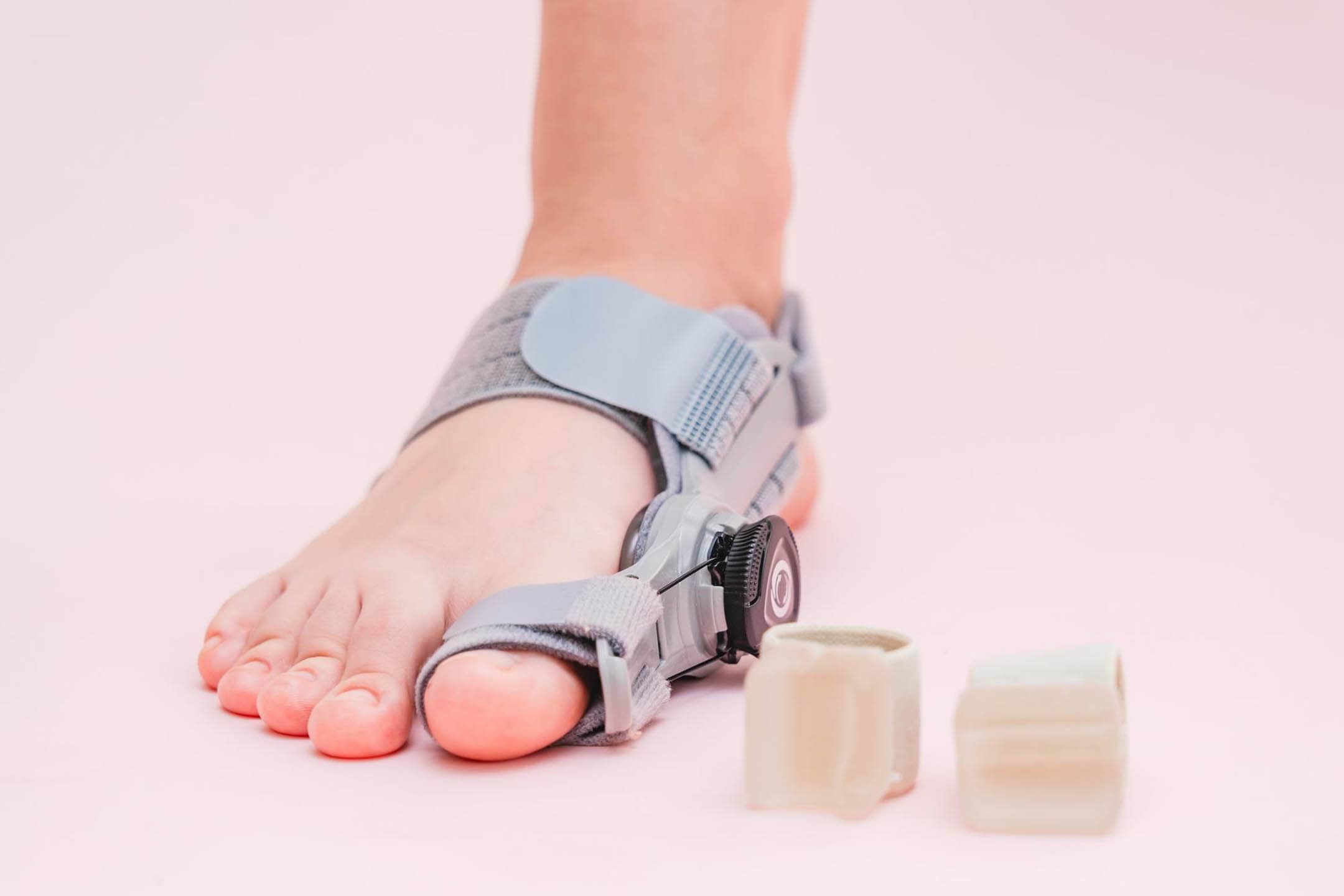
Bunion correctors, toe spacers and splints are often marketed as a way to fix bunions without surgery. Some people find them comfortable, particularly when the big toe rubs against the second toe or when they are used at rest.
However, they should not be expected to permanently realign the joint or remove the bunion.
The available research suggests that some non-surgical interventions, including certain splints, may help reduce pain for some people. Evidence that these options produce a lasting improvement in toe alignment is much less certain.
A toe spacer or splint should feel comfortable. Stop using it if it causes pain, numbness, skin irritation or increased rubbing. It also needs to work with the shoes you need to wear. A device that feels comfortable barefoot may create more pressure once it is inside a fitted shoe.
A podiatry assessment can help you avoid spending money on products that do not suit your foot shape, symptoms or footwear needs.
Can exercises fix a bunion naturally?
Exercises cannot reverse a bunion naturally or return the joint to its previous position. They may still form part of a wider plan for selected people.
Depending on your assessment, exercises may be used to maintain comfortable big toe movement, support foot and ankle function or address related lower-limb factors. They should not be painful or make symptoms consistently worse.
A recent pilot study explored a combined programme of footwear advice, foot orthoses, strengthening exercises and self-management for people with hallux valgus. It was designed to assess whether a larger trial would be practical, rather than to prove effectiveness. The researchers found that following several changes at once, particularly footwear and exercise recommendations, could be difficult for participants.
This is one reason a realistic, individual plan is important. Treatment needs to fit around your work, activity, footwear requirements and what you can sustain day to day.
How can you stop a bunion getting worse?
It is not always possible to prevent a bunion from progressing, particularly where foot shape or family tendency plays a part. Conservative care should not be presented as a guaranteed way to stop progression.
It may, however, help reduce avoidable pressure and irritation around the joint. Practical steps may include:
- Avoiding shoes that squeeze the toes or press firmly on the bunion
- Choosing footwear that suits your foot shape and activity
- Managing rubbing, corns and hard skin early
- Reviewing activity changes that seem to increase symptoms
- Seeking assessment if pain is recurring or walking is becoming difficult
The visible bunion is only part of the picture. Looking at big toe movement, foot posture, footwear and how you walk can help identify factors that may be contributing to your symptoms.
When do bunions need surgery?
Surgery may be worth discussing if bunion pain remains significant, appropriate footwear is difficult to tolerate or symptoms are limiting walking, work, exercise or everyday activity despite a well-planned conservative approach.
A surgical opinion is not usually based on appearance alone. It should consider your pain, function, health, lifestyle, recovery considerations and personal goals.
Evolution Podiatry provides conservative assessment and management. Where appropriate, Stuart can explain when onward referral for a surgical opinion may be sensible. This does not mean surgery is inevitable. It helps you understand the available next steps if non-surgical options are no longer managing the problem well enough. The approved clinic guidance supports footwear advice, pressure relief, orthoses where appropriate and referral where symptoms are severe or function is significantly affected.
Seek urgent medical help if you have severe pain after an injury, cannot walk, notice sudden deformity, have spreading redness, fever, pus, a deep wound or signs of infection.
If you have diabetes and develop foot pain, a wound, skin colour change, swelling, warmth, redness or signs of infection, seek prompt medical advice.
Book a bunion assessment
You do not need to decide whether you need surgery before seeking advice.
Stuart Hodder, Specialist Podiatrist and clinical lead at Evolution Podiatry, can assess your bunion pain, footwear difficulties and foot function, then talk you through practical conservative options. Appointments are available in Notting Hill, Wimbledon and Woking, Surrey.
Book a new patient appointment for a bunion assessment to find out what may be driving your symptoms and take the next step towards more comfortable movement.
This information is general guidance and does not replace a clinical assessment. If your symptoms are severe, worsening or you are concerned, please seek appropriate medical advice.
Frequently asked questions
- Can you get rid of bunions without surgery?
Non-surgical care cannot usually remove a bunion or permanently correct the position of the big toe. It may help manage pain, rubbing, hard skin and pressure from footwear.
- Can you reverse a bunion naturally?
Bunions cannot usually be reversed naturally because they involve a structural change at the big toe joint. Footwear changes, pressure relief, orthoses and exercises may still help manage symptoms where appropriate.
- Do bunion splints work?
Bunion splints may provide temporary comfort for some people. They should not be expected to permanently straighten an established bunion.
- What shoes are best for bunions?
Shoes with adequate width and depth through the toe area, a soft upper and minimal pressure over the bunion may be more comfortable. The right option depends on your foot shape, activities and symptoms.
- When do bunions need surgery?
A surgical opinion may be considered when pain or functional difficulties remain significant despite suitable non-surgical care. Surgery is not generally considered for appearance alone.