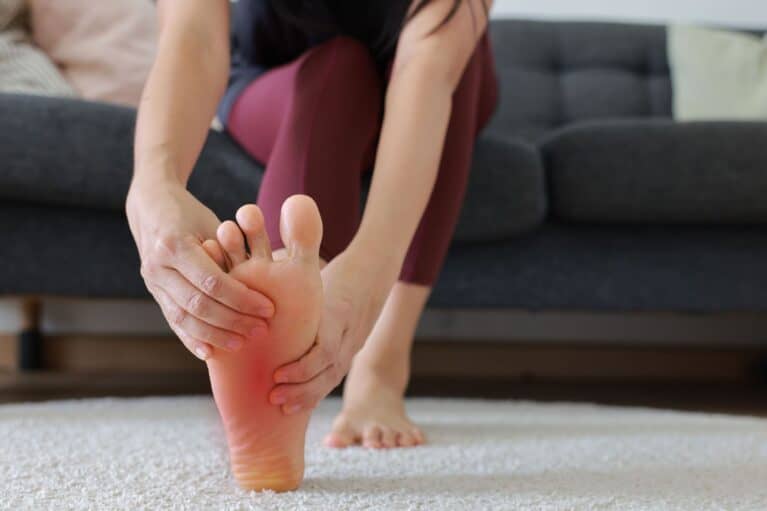

If you have ongoing foot, heel, ankle or lower-limb pain, you may have wondered whether custom orthotics could help. These prescription insoles are often recommended for people with persistent symptoms, recurring injuries or concerns about how their feet are loading.
However, custom orthotics are not a one-size-fits-all answer. Some people may benefit from a pre-fabricated insole, footwear changes, activity adjustments or rehabilitation instead. Others may need further investigation before orthotics are considered.
The most useful starting point is a clear assessment of your symptoms, your activity and the way your feet and lower limbs move.
What are custom orthotics?
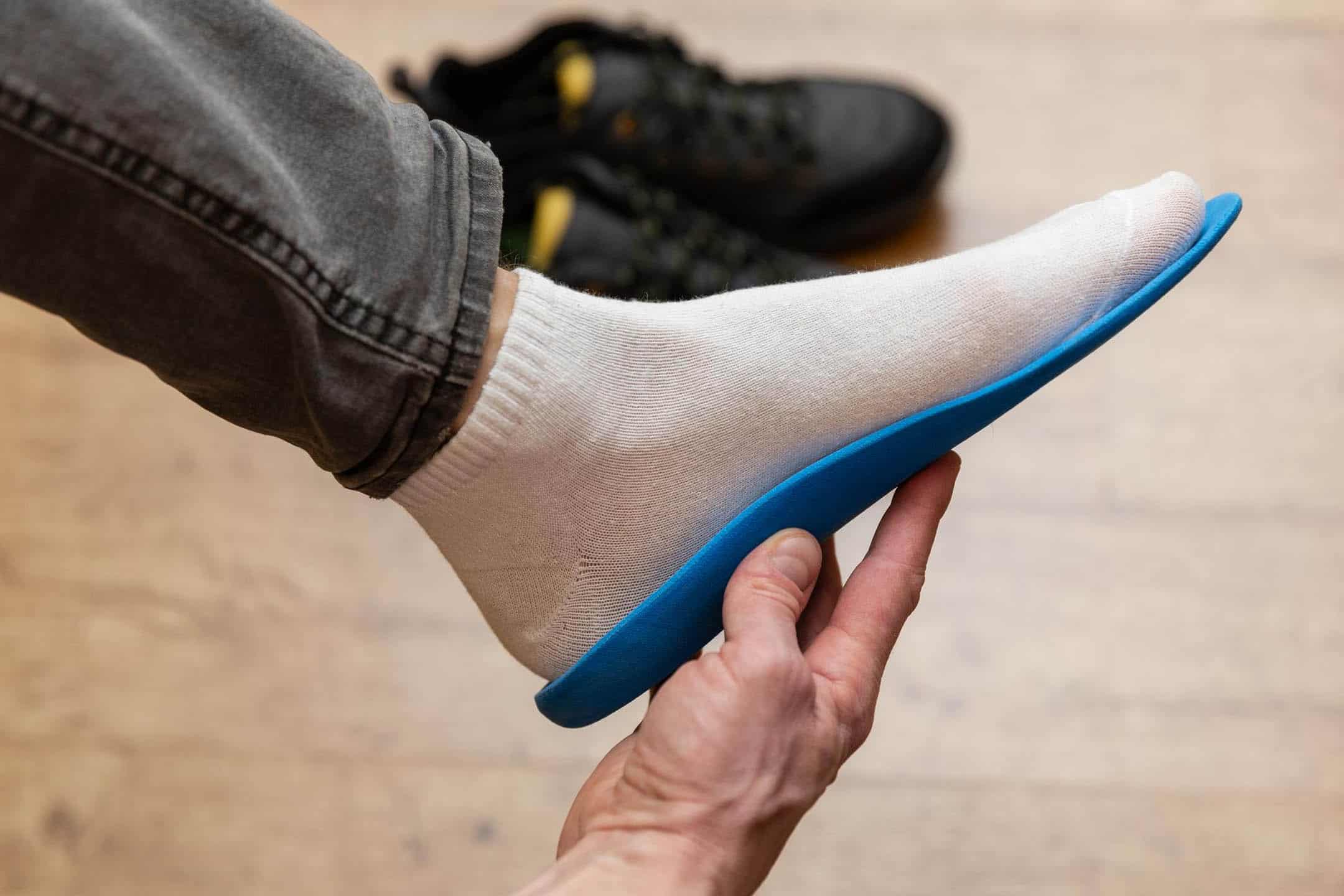
Custom orthotics, also called custom foot orthoses or prescription insoles, are devices worn inside your shoes. They are designed following an assessment of your foot shape, movement, symptoms and activity needs.
They are different from the soft insoles supplied with many shoes. They are also different from shop-bought insoles, which are made to a standard shape and offer general cushioning or support.
A prescription orthotic is designed with a particular purpose in mind. Depending on your assessment findings, it may aim to:
- Support how your foot functions
- Redistribute pressure away from a sensitive area
- Help manage strain on particular tissues
- Improve comfort when walking, standing, running or playing sport
- Work alongside footwear advice, rehabilitation or changes to activity
Orthotics do not passively ‘fix’ your feet or force them into a perfect position. Your feet remain active and your muscles still do the work of supporting you. Instead, an orthotic may alter how forces are shared through your foot and lower limb while you move.
For this reason, they are usually most helpful when they form part of a wider treatment plan rather than being treated as a standalone solution.
Do you really need custom orthotics?
Not everyone with foot pain, flat feet or a running injury needs custom orthotics.
Some people have flat feet with no pain or difficulty and do not need treatment. Others may find that a change in footwear, a period of reduced activity, strength work or a pre-fabricated insole is a sensible first step.
Custom orthotics may be discussed where your assessment suggests that changes in foot function, pressure or loading could be contributing to symptoms. This could include people with:
- Ongoing heel or arch pain, including symptoms linked to plantar fasciitis
- Flat feet with pain, tiredness or discomfort around the inside of the ankle
- Forefoot pain or pressure beneath the ball of the foot
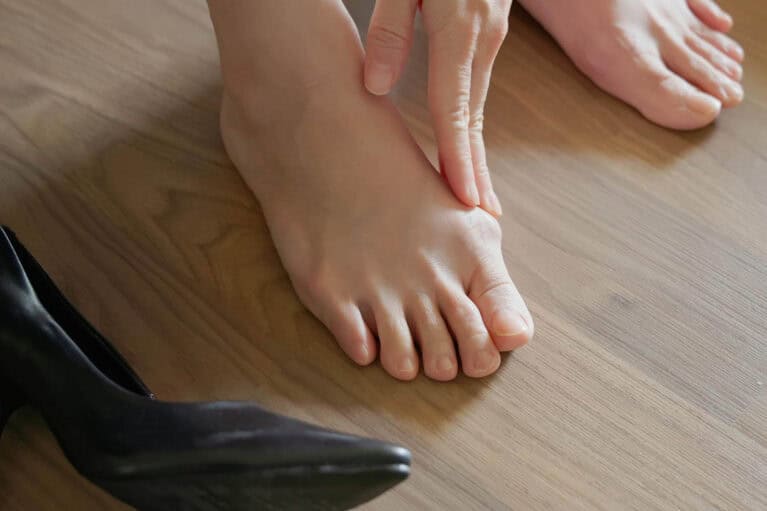
- Bunions that are irritated by footwear or loading
- Recurring running injuries, shin pain or Achilles symptoms
- Pain that returns when walking, standing or increasing activity
- A noticeable difference in the way one foot or leg moves compared with the other
These symptoms can have several possible causes. An insole may be useful, but it is not automatically the right answer. Stuart Hodder will assess what may be driving your symptoms and explain whether orthoses are likely to have a useful role in your treatment plan.
How do custom orthotics work?
Each step places force through your feet, ankles and legs. The way these forces are managed can be influenced by foot posture, joint movement, muscle strength, calf flexibility, footwear, training load and the way you walk or run.
Custom orthotics may help by changing how pressure and force are distributed inside the shoe. For example, they may provide support beneath part of the foot, accommodate a prominent area or reduce stress on a structure that is being overloaded.
This does not mean a foot that rolls inwards, often called pronation, always needs to be corrected. Pronation is a normal part of walking and running for many people. The important question is whether your particular movement pattern, symptoms and activity demands suggest that support could be helpful.
A biomechanical assessment can help clarify how your feet, legs and body are working together. If your foot is loading unevenly, your ankle movement is restricted or your walking pattern has changed, this may place extra strain on another area. The findings can then guide practical next steps, which may include footwear advice, rehabilitation, gait analysis or orthoses where appropriate.
Custom orthotics vs off-the-shelf insoles
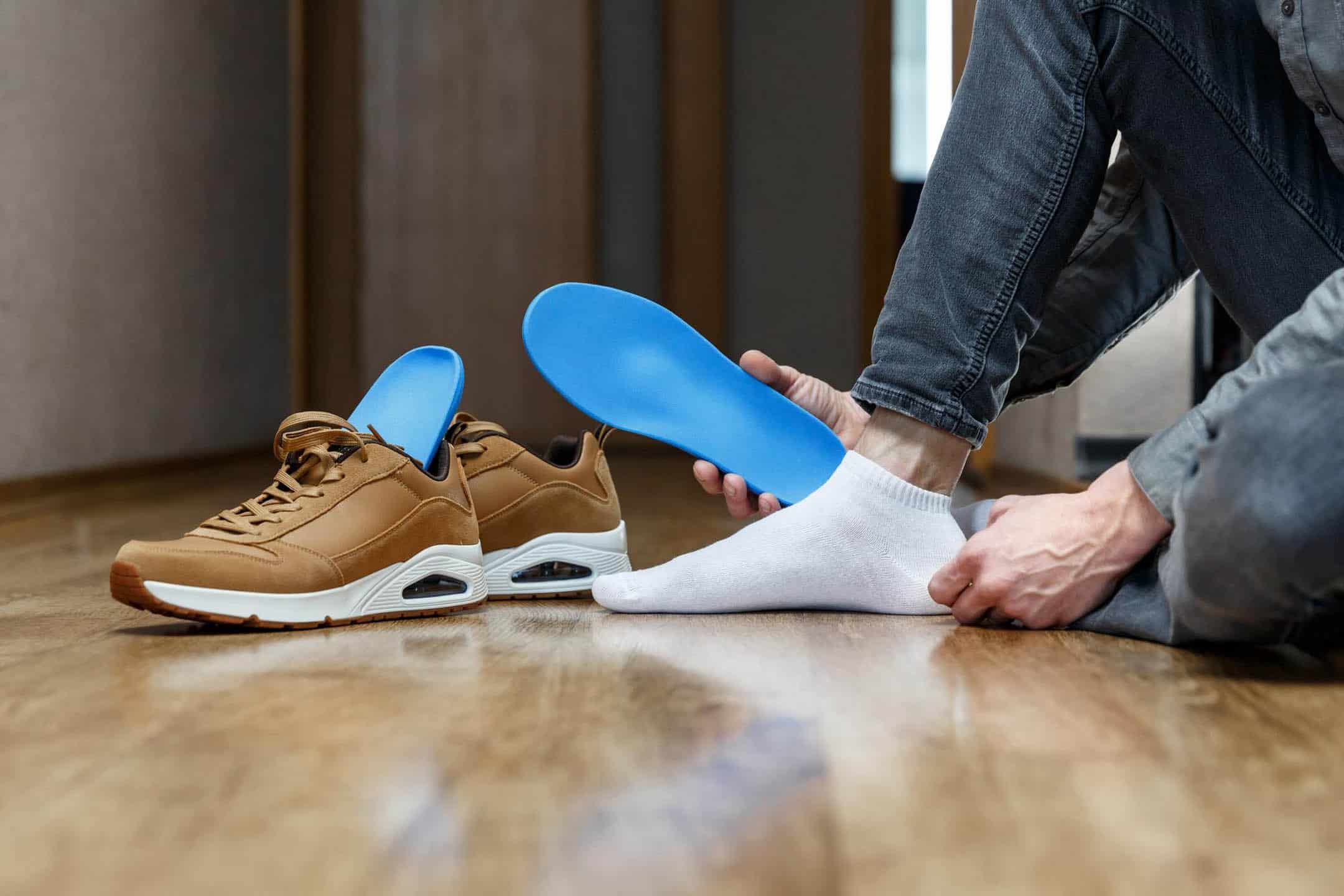
Both custom and off-the-shelf insoles can have a place. The best option depends on the problem being managed, your footwear and how much support or pressure relief is needed.
Off-the-shelf insoles
Pre-fabricated insoles are made in standard shapes and sizes. They may provide cushioning, arch support or basic pressure relief, often at a lower cost.
They can be a reasonable option for mild symptoms, a short-term trial of support or situations where a highly individual prescription is not needed. A pre-fabricated orthosis may also be recommended following assessment rather than assuming that custom is always better.
Custom orthotics
Custom orthotics are prescribed for your individual assessment findings. The prescription can take account of your symptoms, foot shape, movement, footwear and activity goals.
They may be more appropriate when symptoms are persistent, when pressure needs to be managed in a specific area or when a standard insole is unlikely to provide the required support. They can also be considered for people who need an orthotic shaped for particular shoes or activities.
The key point is that custom does not automatically mean necessary. An orthotic should be prescribed after assessment, not sold as a one-size-fits-all fix.
| Custom orthotics | Off-the-shelf insoles | |
|---|---|---|
| Design | Prescribed around individual assessment findings | Standard shape and support |
| Best considered for | More specific loading, pressure or footwear needs | Mild symptoms or general support needs |
| Process | Assessment, prescription, fitting and review | May be selected or recommended following assessment |
| Cost | Higher due to individual prescription and manufacture | Usually lower cost |
| Adjustments | May be reviewed or adjusted where appropriate | Limited ability to tailor |
What problems can orthotics help with?
Orthotics may be used as part of a plan for a range of foot and lower-limb concerns. They are often considered for heel pain, plantar fasciitis, flat feet, forefoot pain, bunions, Achilles symptoms and some running-related injuries.
For example, someone with heel pain may need support that helps manage strain through the plantar fascia – the strong band of tissue under the foot. Someone with flat feet and inside ankle discomfort may need a different approach, particularly if tendon function, footwear or activity load are also contributing.
In forefoot problems, an orthotic may be designed to redistribute pressure away from a painful area. With sports injuries, the focus may be on how footwear, training and lower-limb movement are affecting repeated loading.
Orthoses can be helpful for some people, but they do not work for everyone. If symptoms do not improve as expected, Stuart may recommend adjustments to the plan, further investigation or onward referral where needed.
You can read more about foot orthoses and prescription insoles, plantar fasciitis and flat feet.
How are custom orthotics made at Evolution Podiatry?
The process begins with an assessment, not with choosing an insole from a shelf.
1. Assessment
Stuart will discuss your symptoms, health, everyday activity, sport and footwear. He may assess foot posture, joint movement, muscle strength, flexibility and lower-limb alignment.
Where appropriate, this can include a biomechanical assessment or gait analysis to look at the way you walk or run.
It is helpful to bring the shoes you wear most often, along with running or sports shoes if relevant. If you have had previous scans, reports or treatment, bring these too.
2. Prescription
If orthoses are appropriate, Stuart will explain what they are intended to support and why. The prescription is based on your assessment findings, symptoms and goals rather than the appearance of your feet alone.
3. Fitting and wearing-in guidance
When the orthoses are ready, you will receive fitting advice and guidance on how to introduce them gradually. This is important because your feet and lower limbs may need time to adapt to a change in support.
Some people notice mild temporary discomfort or pressure while getting used to orthoses. If they cause ongoing pain, rubbing or worsening symptoms, contact the clinic for advice rather than trying to push through.
4. Review and adjustment
A review may be useful to check comfort, fit and how the orthoses are working with your shoes and activities. Further adjustments may be considered where appropriate.
Treatment recommendations depend on your symptoms, health, activity level and assessment findings. Stuart will explain whether this option is suitable for you before treatment begins.
How much do custom orthotics cost?
Custom Orthoses are currently listed at £345. A duplicate or second pair is £295 and pre-fabricated orthoses are available from £75. Assessment costs are separate where required, so it is sensible to discuss the most suitable appointment type before booking.
Prices may be updated, so please check the latest Evolution Podiatry pricing before your appointment.
If you plan to use private medical insurance, orthoses are not automatically covered by every policy. Please check your cover and obtain any required authorisation before your appointment.
How long do custom orthotics last?
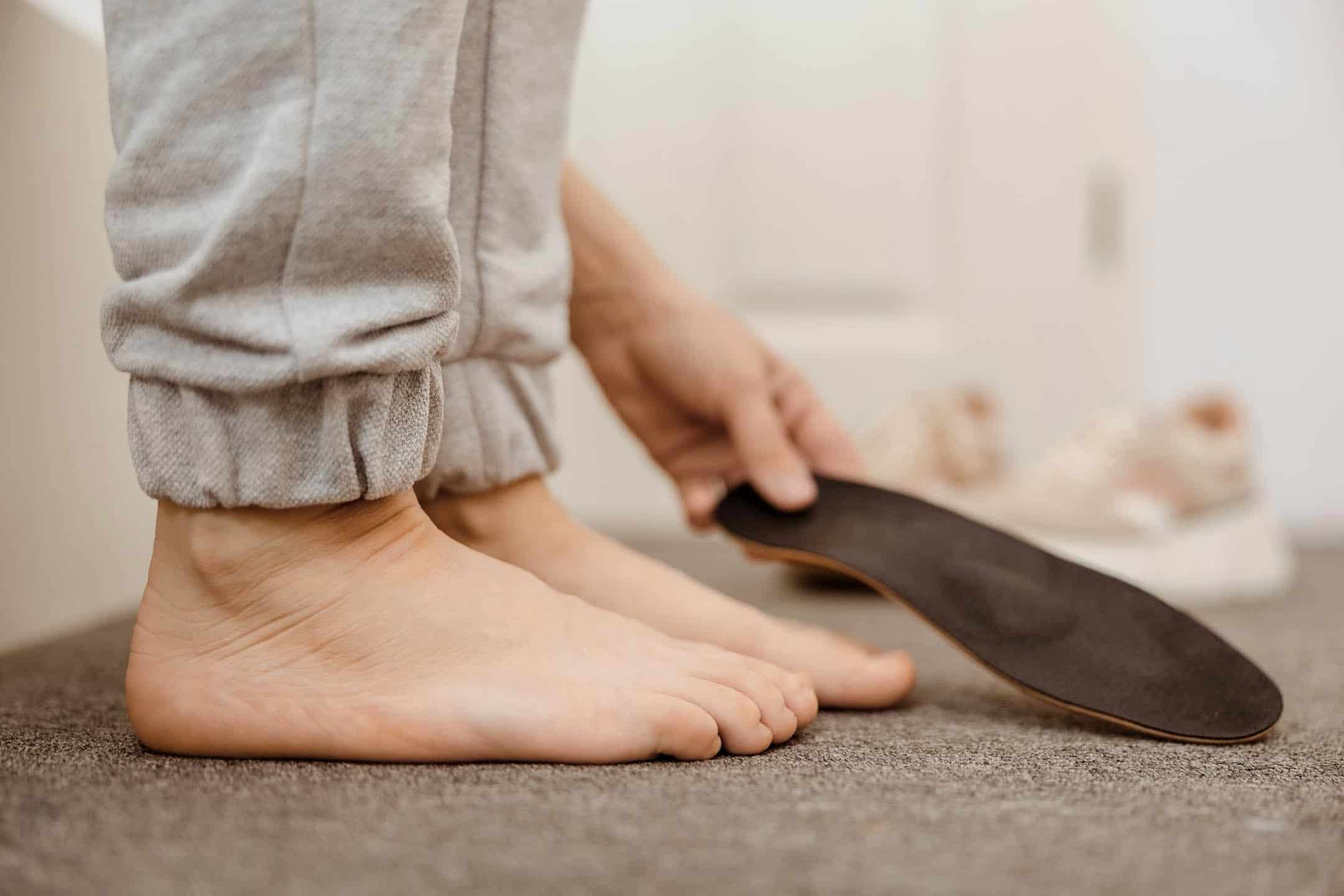
There is no fixed lifespan for custom orthotics. How long they last depends on the materials used, how often you wear them, your body weight, the activities you do and the shoes they are used in.
Running, frequent sport and heavy daily use can wear orthotics more quickly than occasional use. A review may be helpful if they look worn, no longer feel comfortable, no longer fit your shoes well or if your symptoms or activity levels have changed.
It is also worth reassessing if you have had a significant injury, surgery, health change or change in footwear requirements. Your needs may not be exactly the same as when the orthoses were first prescribed.
Are custom orthotics worth the money?
Custom orthotics can be a worthwhile investment when assessment shows that a prescription device is likely to meet a specific need that a standard insole cannot.
They may be less worthwhile if your symptoms are likely to settle with simpler measures or if the assessment suggests that another form of treatment should take priority. The value is not simply in the device itself. It is in understanding what may be driving your symptoms, whether an orthotic is appropriate and how it fits into a practical treatment plan.
Stuart Hodder is a Specialist Podiatrist and clinical lead at Evolution Podiatry. He is HCPC registered and experienced in foot, ankle and lower-limb pain across NHS and private practice. His interest in biomechanics, gait analysis, sports injuries and lower-limb function helps him assess the wider factors that may be affecting how you move.
Appointments are available in Notting Hill, Wimbledon and Woking, Surrey. Service availability may vary by location, so please check before booking.
Find out whether orthotics are right for you
If foot pain, recurring injury or discomfort is affecting how you walk, run or move, arrange a biomechanical assessment with Stuart Hodder. You will get a clearer understanding of what may be driving your symptoms and whether foot orthoses could be a useful part of your plan.
FAQs
- Are custom orthotics the same as prescription insoles?
Yes. Custom orthotics, prescription insoles and custom foot orthoses are commonly used to describe insoles prescribed around an individual assessment.
- Will custom orthotics fit in all shoes?
Not always. Shoe shape, depth and fastening style all affect whether an orthotic will fit comfortably. Bring your usual footwear to your assessment so this can be considered from the start.
- Can I use custom orthotics for running?
They may be considered for runners where assessment suggests they could support comfort or help manage loading. Running orthotics should be considered alongside training load, running shoes, strength and movement patterns.
- Will I need orthotics forever?
Not necessarily. Some people use orthotics longer term while others use them for a particular stage of rehabilitation, activity or footwear need. Your review and assessment findings will guide the next step.
When should you get assessed?
Book an assessment if foot, ankle or lower-limb pain is affecting walking, running, sport or daily activity. It is also worth seeking advice if symptoms keep returning, are worsening or have not improved with sensible self-care.
Seek urgent medical help if you have severe pain after an injury, cannot walk, notice sudden deformity, have spreading redness, fever, pus, a deep wound or signs of infection.
If you have diabetes and develop foot pain, a wound, skin colour change, swelling, warmth, redness or signs of infection, seek prompt medical advice.