
Fungal nail laser treatment can be an appealing option if you are tired of thick, discoloured or crumbly toenails and want to explore an alternative to tablets. The honest answer is that laser treatment may help some people, but it is not a guaranteed cure and the research evidence remains mixed.
Lunula Laser is a non-invasive treatment option used for fungal nail concerns. It may be considered as part of a wider treatment plan, particularly where tablets are not preferred or may not be suitable. However, it is important to start with the right diagnosis. Not every thick, yellow or damaged nail is caused by fungus.
A nail assessment with Stuart Hodder can help clarify what may be driving the change in your nail, whether testing is appropriate and whether Lunula Laser is a sensible next step.
What causes fungal nail infections?
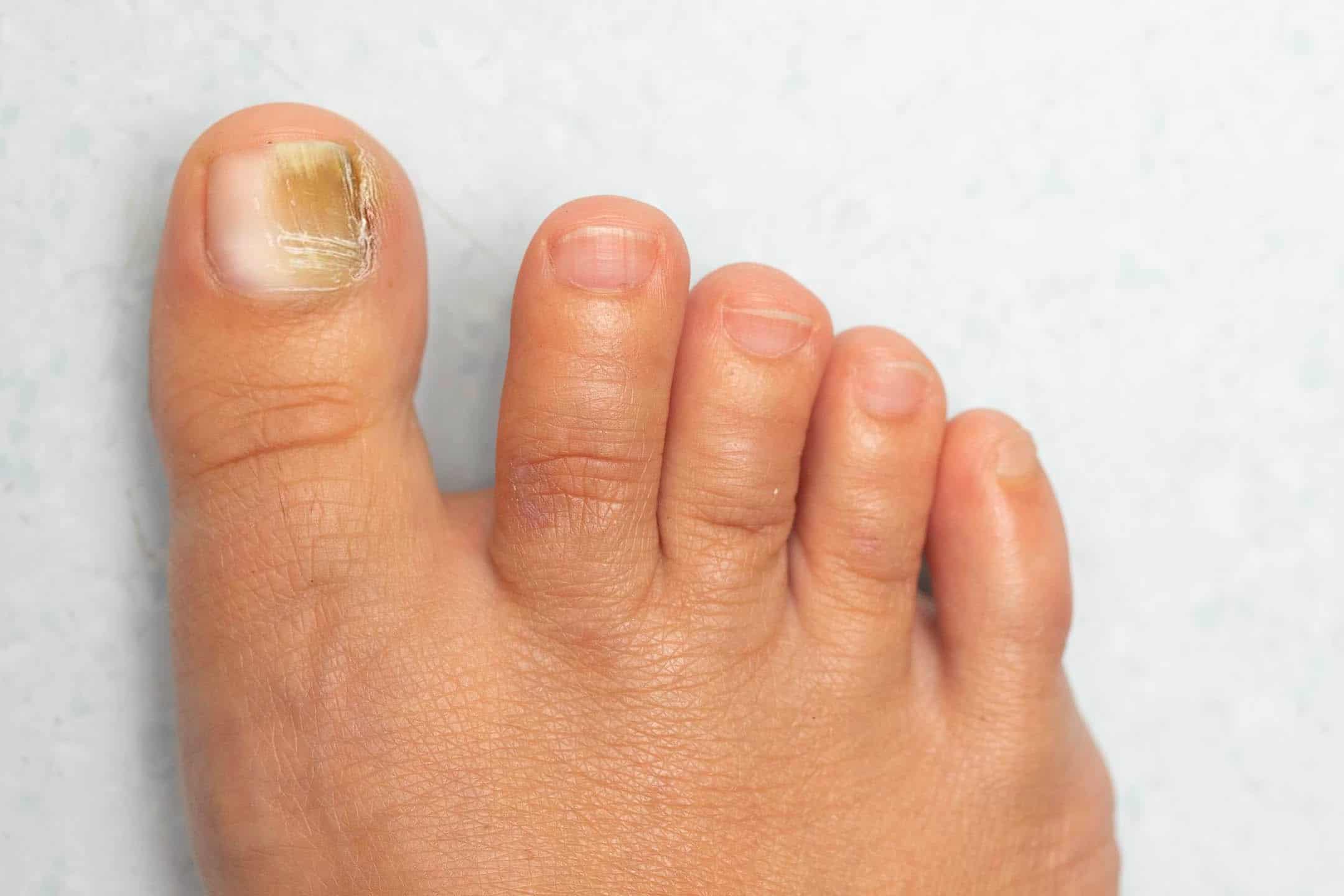
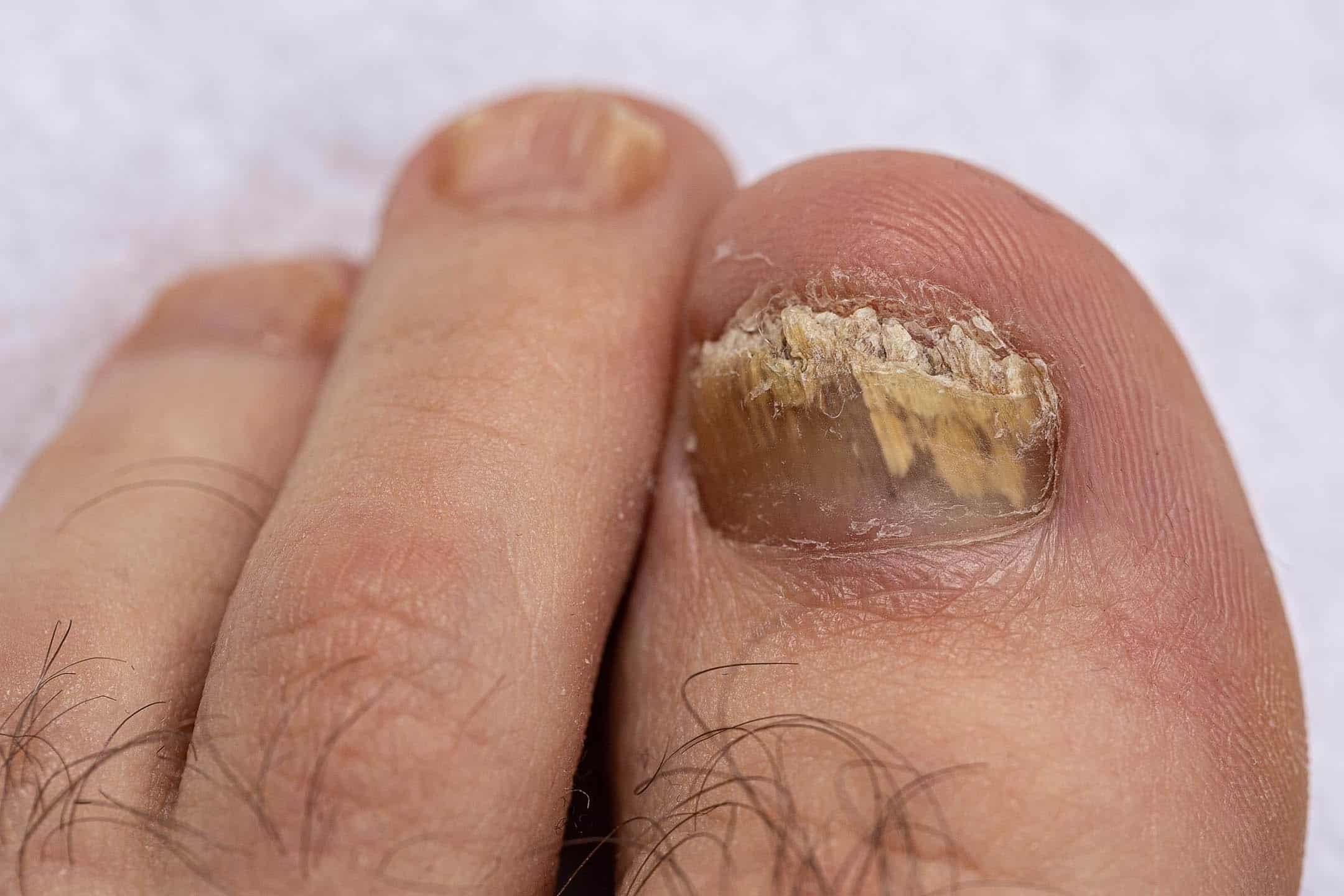
A fungal nail infection, also called onychomycosis, usually affects the toenails. It can make a nail appear yellow, white or brown, become thicker, brittle or crumbly, or begin to lift away from the skin beneath it.
Fungal infections often begin at the edge of the nail and can gradually affect more of it. Fungi are more likely to thrive in warm, damp environments, which is why sweaty footwear and untreated athlete’s foot can contribute to the problem. Fungal nail infections are not usually serious, but they can be persistent and may take a long time to improve.
It is easy to assume that every changed nail is fungal. In reality, nail trauma, pressure from footwear, skin conditions and other nail problems can sometimes look similar. This is one reason why assessment, and sometimes a nail sample, matters before investing in treatment.
Does laser treatment for fungal nails actually work?
Laser treatment may improve the appearance of some fungal-looking nails, but it should not be presented as a certain way to clear every infection.
The evidence for laser treatment as a whole is still developing. A Cochrane review found that the available studies of one common laser type were small and low quality. It concluded that laser treatment may make little or no difference to laboratory-confirmed fungal clearance compared with no treatment or sham treatment, though the evidence was uncertain and did not assess complete cure.
This does not mean that laser cannot be helpful for anyone. It means that results should be discussed carefully, particularly because:
- Different laser devices use different wavelengths and treatment approaches
- Studies may use different definitions of improvement
- Some research measures nail appearance, while other research measures whether fungus is still present in a laboratory sample
- Nail growth is slow, so meaningful changes can take months to become visible
- Reinfection can occur if contributing factors are not addressed
The most realistic way to view fungal nail laser treatment is as one possible option within a properly assessed plan. Some people may see clearer new nail growth over time. Others may have limited improvement, need additional treatment or require a different approach.
How does Lunula Laser work?
Lunula Laser is a low-level, non-thermal laser treatment. It uses red and violet light wavelengths and is designed to target the affected nail area without heating or removing the nail.
The manufacturer describes the device as using 405 nm violet light and 635 nm red light in an attempt to influence the fungal environment and local tissue response. This proposed mechanism is based on photobiomodulation, meaning the use of light to influence biological processes.
What matters most from a patient perspective is that Lunula Laser is non-invasive. The treatment is applied while you sit comfortably with your feet positioned in the device. Stuart will explain what to expect before treatment begins.
It is important not to confuse the way a device is designed to work with a guarantee of outcome. Individual nail response can vary, and the visible change will depend on healthy new nail gradually growing through.
What are the other fungal toenail treatment options?
There is no single fungal nail treatment that works best for everyone. The right option depends on the diagnosis, how many nails are involved, how much of each nail is affected, your medical history and whether you are able to follow a treatment plan consistently.
Topical antifungal treatments
Antifungal nail medicines are applied directly to the nail. They can require regular use over many months, and improvement is gradual because the affected nail needs to grow out. NHS guidance notes that topical treatments may need to be used for 6 to 12 months.
Topical treatment may be discussed for some people, although it is not suitable for every type or severity of fungal nail infection.
Oral antifungal tablets
Prescription antifungal tablets may be considered through an appropriate prescriber, particularly when pharmacy treatments have not worked. A nail sample may be taken before tablets are prescribed. Blood tests may also be needed to check liver function before and during treatment.
Tablets can have side effects and may not be appropriate during pregnancy or breastfeeding, or for people with certain liver or kidney conditions. They should only be considered following appropriate medical assessment.
Lunula Laser
Lunula Laser may be an option for people who would prefer to explore a non-invasive approach or who are unable to take tablets. It does not replace the need for assessment, diagnosis and a realistic discussion about expected outcomes.
Rather than asking whether laser or tablets are simply ‘better’, it is more useful to ask which approach is most appropriate for your nail, health and circumstances.
How many laser sessions are needed for fungal nails?
There is no reliable online answer that applies to everyone.
The number of appointments, whether follow-up is useful and whether laser should be combined with other measures will depend on your assessment findings. The severity of the nail change, the number of nails involved, whether fungus is confirmed and the likelihood of reinfection can all influence planning.
Be cautious of treatment claims that promise a set number of sessions or clear nails by a particular date. Toenails grow slowly, and even when treatment is helping, it can take several months for clearer nail to emerge from the base.
How long does it take for a fungal nail to clear?
A damaged section of nail does not become clear overnight. Improvement is usually judged by the growth of healthier-looking nail from the base, rather than a sudden change in the existing damaged area.
NHS guidance explains that topical nail treatments can take 6 to 12 months, with improvement often taking several months to become noticeable. The timescale for visible change after laser treatment is also influenced by natural nail growth, the extent of the infection and whether further fungal exposure occurs.
Results vary from person to person and no treatment outcome can be guaranteed.
Reducing the chance of fungal nail infections returning
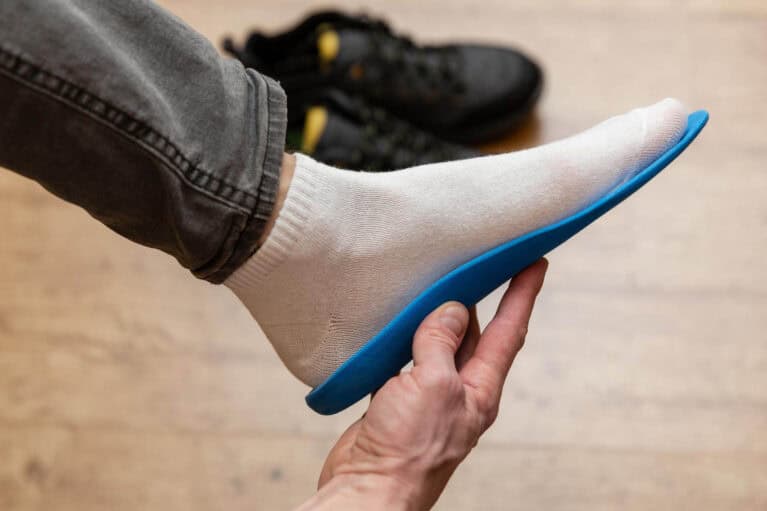
Treating the nail is only part of the picture. Ongoing foot care may help reduce the conditions that allow fungal infections to persist or return.
You may find it helpful to:
- Keep feet clean and dry, particularly between the toes
- Change socks daily
- Choose footwear that fits well and allows your feet to stay as dry as possible
- Treat athlete’s foot promptly
- Avoid sharing towels, footwear or nail clippers
- Wear footwear such as flip-flops in communal changing areas, pools and showers
- Keep nails trimmed carefully and avoid damaging the surrounding skin
These measures cannot guarantee that fungal nail infections will not return, but they can support a longer-term treatment plan.
When should you get a fungal nail assessed?
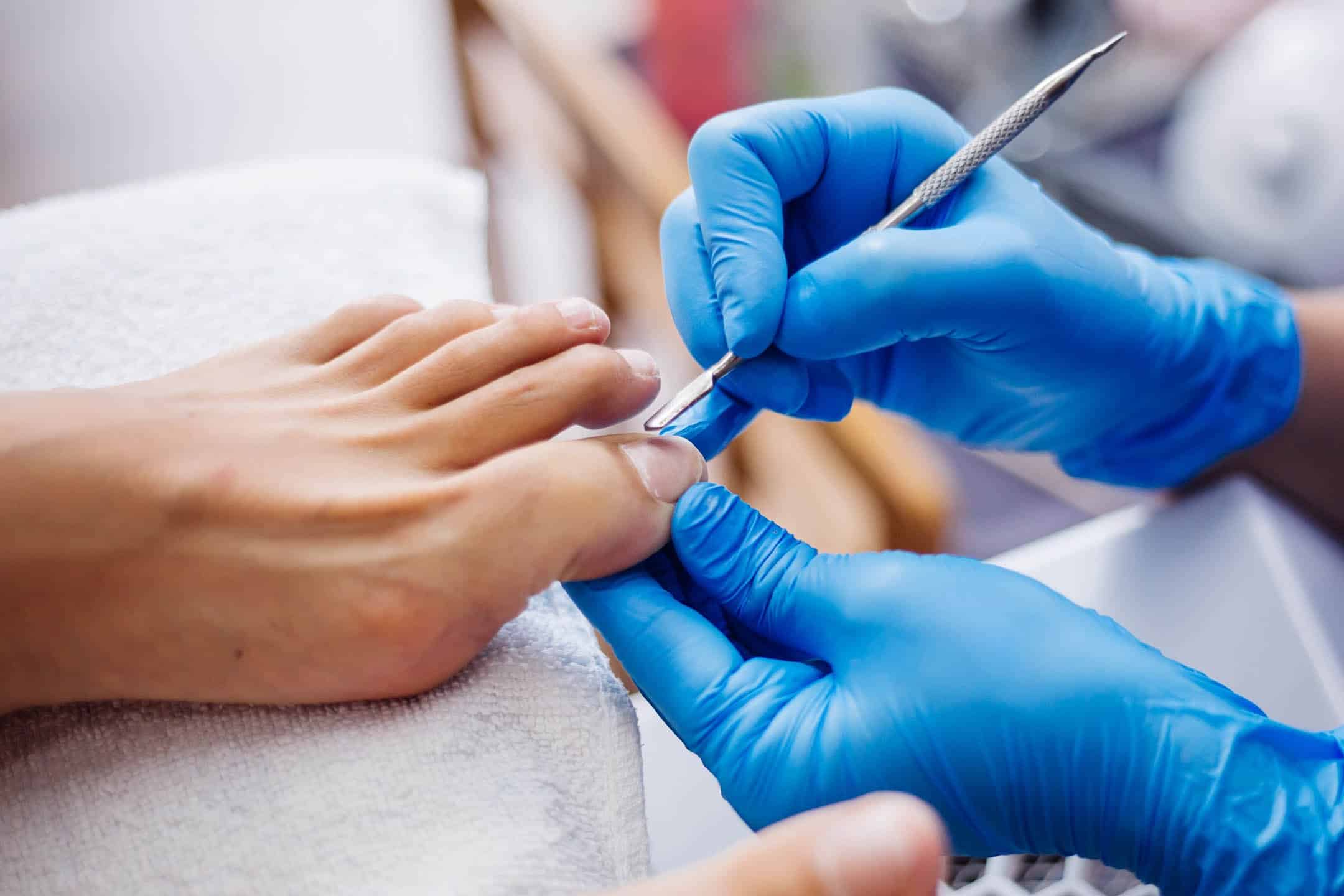
Consider booking an assessment if a nail is thickened, discoloured, crumbly, painful, difficult to cut or affecting your confidence in open footwear. Assessment is particularly important before committing to a course of treatment, because fungal-looking nails are not always caused by fungal infection.
Stuart Hodder is a Specialist Podiatrist and clinical lead at Evolution Podiatry. He can assess your nail, discuss whether testing may be helpful and explain the available options, including whether Lunula Laser for fungal nail concerns may be suitable.
If you have diabetes and develop foot pain, a wound, skin colour change, swelling, warmth, redness or signs of infection, seek prompt medical advice.
FAQs
- Is Lunula Laser painful?
Lunula Laser is a non-invasive treatment. Stuart will explain what the appointment involves and answer any concerns before treatment begins.
- Can laser treatment guarantee clear nails?
No. Results vary depending on the diagnosis, nail growth, severity of the problem, reinfection risk and your individual response to treatment.
- Do I need a nail sample before laser treatment?
A nail sample may be recommended where the diagnosis is unclear or before certain treatment plans. Testing can help distinguish a fungal infection from other causes of nail change.
- Can fungal nails come back after treatment?
Yes. Reinfection is possible, particularly if athlete’s foot, damp footwear or other sources of fungal exposure are not addressed.
Book a fungal nail assessment
If you are considering fungal nail laser treatment, start with a clear assessment rather than choosing a treatment from appearance alone. Stuart can help confirm what may be driving the nail change and discuss practical next steps at clinics in Notting Hill, Wimbledon and Woking, Surrey.
Book a nail assessment or view fungal nail treatment options. You can also see current treatment fees on the pricing page.
This information is general guidance and does not replace a clinical assessment. If your symptoms are severe, worsening or you are concerned, please seek appropriate medical advice.